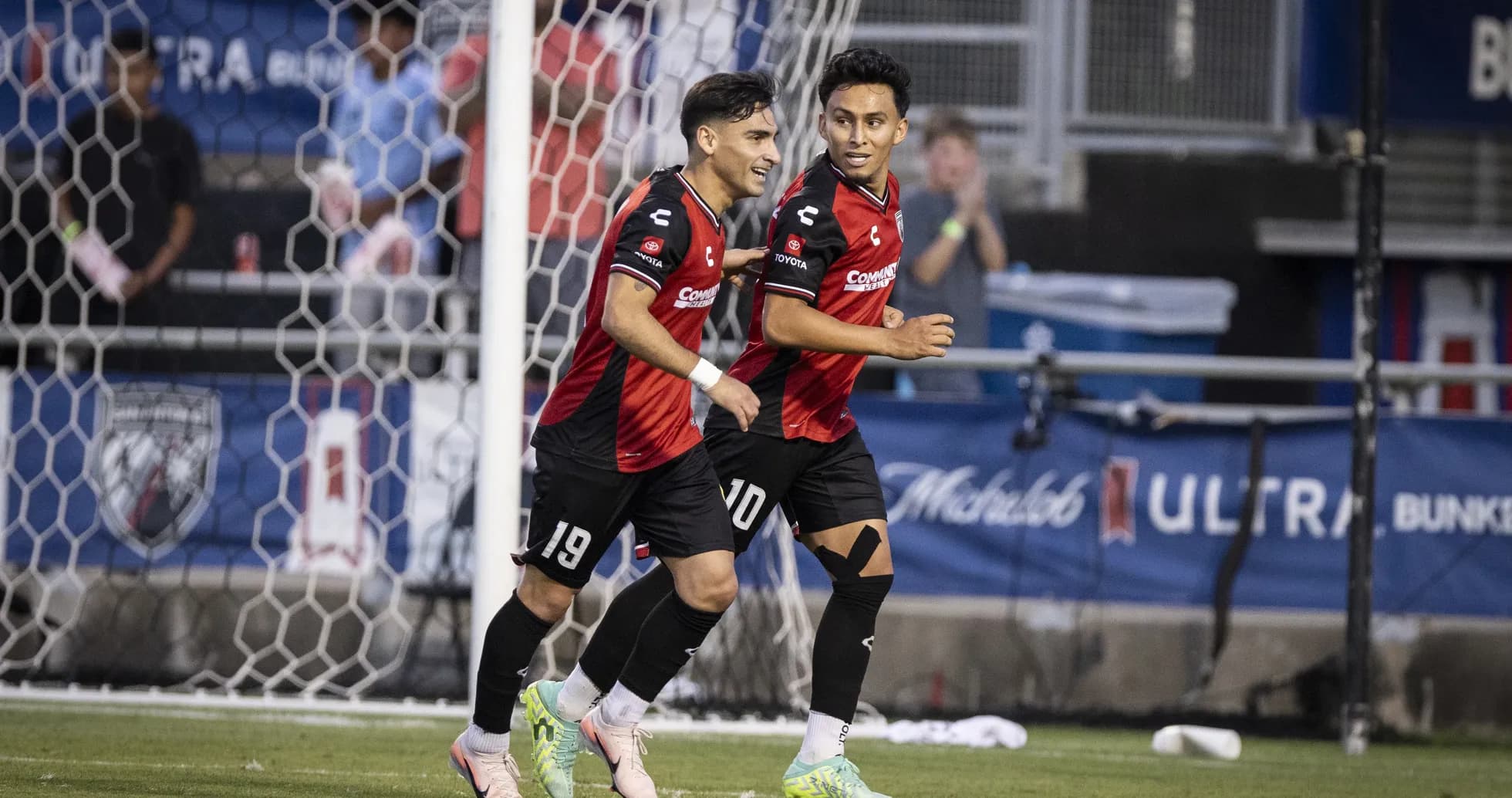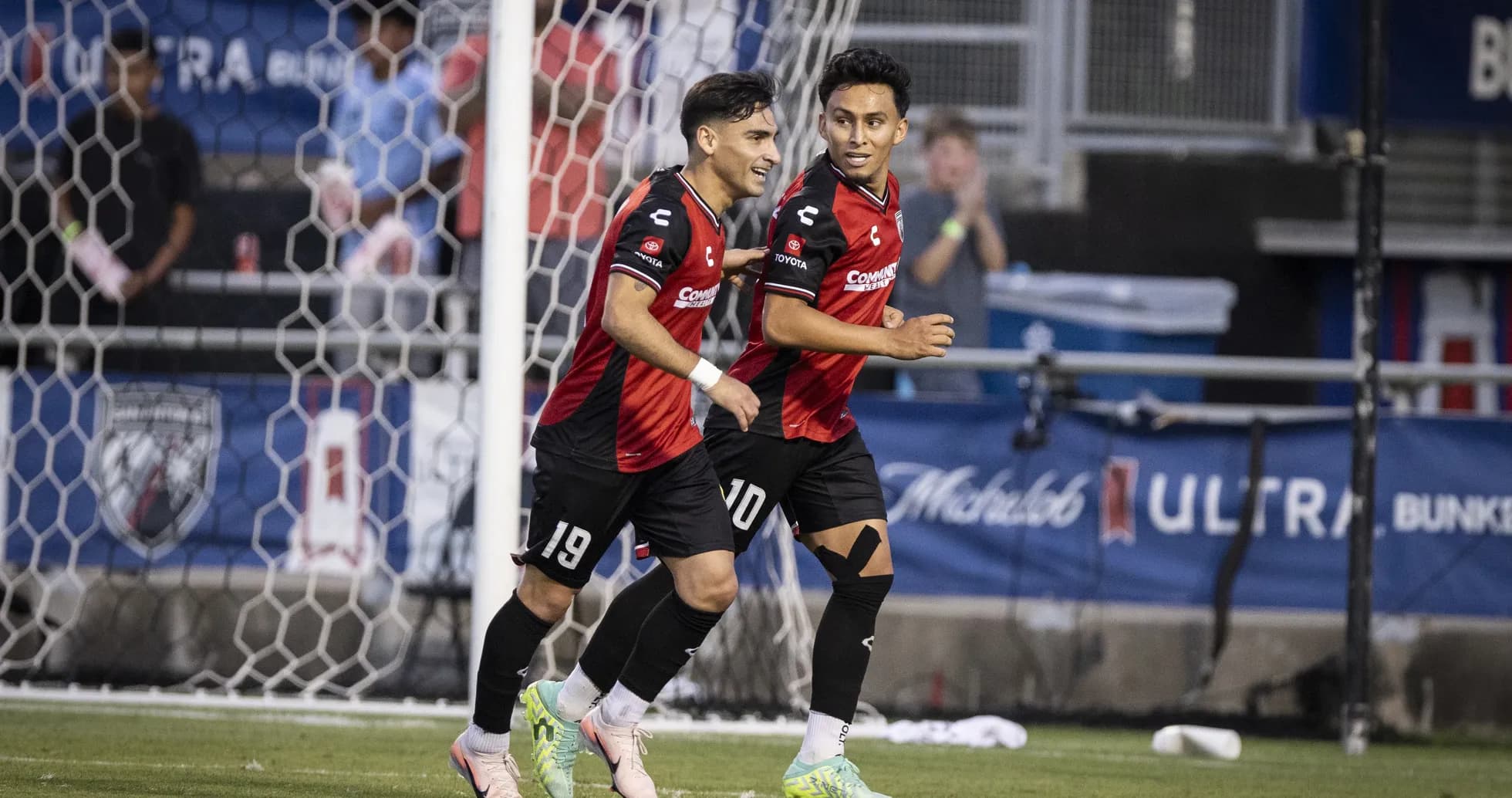
Phoenix Rising vs Oakland Roots: A Seven-Goal Thriller
Under the desert lights of Wild Horse Pass Stadium, a match that began as a routine Group Stage fixture in the USL Championship morphed into a seven-goal drama. Phoenix Rising, sixth in the table heading into this game with 17 points and a goal difference of 0, met an Oakland Roots side sitting second on 21 points and a goal difference of 3. By full time, the scoreboard read Phoenix Rising 3–4 Oakland Roots, a result that underlined both clubs’ attacking instincts and defensive fragility more than any tactical board could.
Phoenix’s seasonal DNA has been one of balance bordering on instability. Overall this campaign they had scored 19 and conceded 19 in 14 matches, with home form leaning slightly positive: 12 goals for and 10 against at Wild Horse Pass. An average of 1.7 goals scored at home and 1.4 conceded suggested a side that rarely dies wondering, and a 3–4 scoreline fits that profile almost too neatly. Oakland arrived as a more upwardly mobile force, particularly on their travels: 13 away goals from 6 games, an away average of 2.2 scored and 2.0 conceded, the very picture of high-variance football.
I. The Big Picture: Two Identities Colliding
Phoenix’s starting XI, led by coach Pa-Modou Kah, hinted at a blend of structure and improvisation. With P. Rakovsky between the posts, a back line anchored by C. Smith, P. Mar Boye, A. Pelayo and L. Biasi, and a midfield core of J. Moursou and JP Scearce, the hosts were built to transition quickly into the final third. The presence of G. Rivera, D. Gomez, D. Rivera and the dynamic I. Sacko promised vertical running and interchanging positions, the kind of chaos that can unsettle an away side that concedes as freely as Oakland.
On the opposite touchline, Ryan Martin’s Oakland Roots arrived with a side that looked every inch a promotion contender. K. McIntosh in goal, protected by a defensive unit including T. Gibson, M. Edwards, N. Hackshaw and J. de Vicente, had the unenviable task of containing a Phoenix attack that averages 1.7 home goals. In front of them, the double pivot presence of B. Byaruhanga and T. McCabe, allied to the creativity of F. Valot and the movement of B. Jacquesson, D. Trejo and P. Wilson, gave Oakland multiple routes to goal. It is no coincidence that Oakland’s biggest away win this season is 3–4; this is a side that thrives in open, high-scoring battles.
II. Tactical Voids and the Discipline Edge
With no official list of absences, both managers appeared to have near full complements available. That placed greater emphasis on in-game discipline and emotional control. Phoenix’s yellow-card profile this season reveals a side that lives on the edge after half-time: 32.61% of their yellows arrive between 46–60 minutes, with another 23.91% in the 76–90 window. Oakland’s pattern is similar, though slightly more spread, with 26.92% of their yellows between 46–60 and 23.08% from 61–75.
In a match that finished 3–4, those numbers matter. The second half was always likely to be played on a knife edge, with both teams prone to picking up cards just as legs tire and spaces open. Phoenix’s red-card history is especially telling: 66.67% of their reds come in the 31–45 range and 33.33% in 91–105, pointing to emotional spikes just before the interval and deep into added time. Oakland’s reds skew heavily late as well, with 66.67% between 91–105. This was never going to be a fixture that drifted quietly to full time.
III. Key Matchups: Hunter vs Shield, Engine Room vs Enforcer
The “Hunter vs Shield” dynamic here was less about a single star striker and more about collective tendencies. Phoenix, with 12 home goals and a biggest home win of 3–0, are at their best when they can swarm the box with multiple runners. The front band of G. Rivera, D. Gomez, D. Rivera and I. Sacko is built for overloads rather than a lone focal point. Against an Oakland away defence that has already allowed 12 goals in 6 road matches, the matchup tilted toward the hosts whenever they could isolate full-backs or pull N. Hackshaw and M. Edwards into wide duels.
Yet Oakland’s “Shield” is deceptive. While they concede 2.0 goals per away game, they defend best when they can compress space in front of Byaruhanga and McCabe. If those two could break up Phoenix’s rhythm and feed Valot early, the Roots’ own “Hunters” – Trejo, Wilson and Jacquesson – had the pace and timing to exploit Phoenix’s back line, which has conceded 1.4 goals per home match.
The “Engine Room” battle was equally decisive. JP Scearce and J. Moursou form Phoenix’s central heartbeat, responsible for linking Rakovsky’s build-up to the advanced midfielders. Across from them, Byaruhanga’s role as ball-winner and first passer is crucial to Oakland’s identity. The side that could transition through midfield with fewer touches was always likely to control the shot quality, if not the volume.
IV. Statistical Prognosis and What 3–4 Tells Us
Heading into this game, the metrics pointed toward volatility. Phoenix’s overall averages of 1.4 goals scored and 1.4 conceded per match, combined with Oakland’s 1.6 scored and 1.4 conceded, suggested a baseline of at least two to three goals. Overlay Oakland’s away attacking strength (2.2 per game) onto Phoenix’s relatively porous home defence, and a high xG contest felt almost inevitable.
Following this result, the 3–4 scoreline functions as a kind of truth serum. Phoenix confirmed both their attacking potential and their defensive vulnerability; their goal difference, previously 0 from 19 scored and 19 conceded, will now tilt negative, underlining the cost of open games at this level. Oakland, meanwhile, reinforced their reputation as the league’s great entertainers on their travels, adding another multi-goal away performance to a profile already marked by a 3–4 win as their biggest road result.
In tactical terms, this match was a case study in risk and reward. Phoenix’s front-foot approach created enough chances to score three at home, in line with their best attacking nights. But against an Oakland side that can turn any transition into a high-value opportunity, it was not enough. The Roots’ balance between Valot’s craft, Trejo and Wilson’s movement, and Byaruhanga’s screening again proved that in the USL Championship’s Group Stage, the teams that embrace chaos – and survive it – are the ones that stay near the top.