Colorado Springs vs San Antonio: Tactical Analysis of USL Championship Match
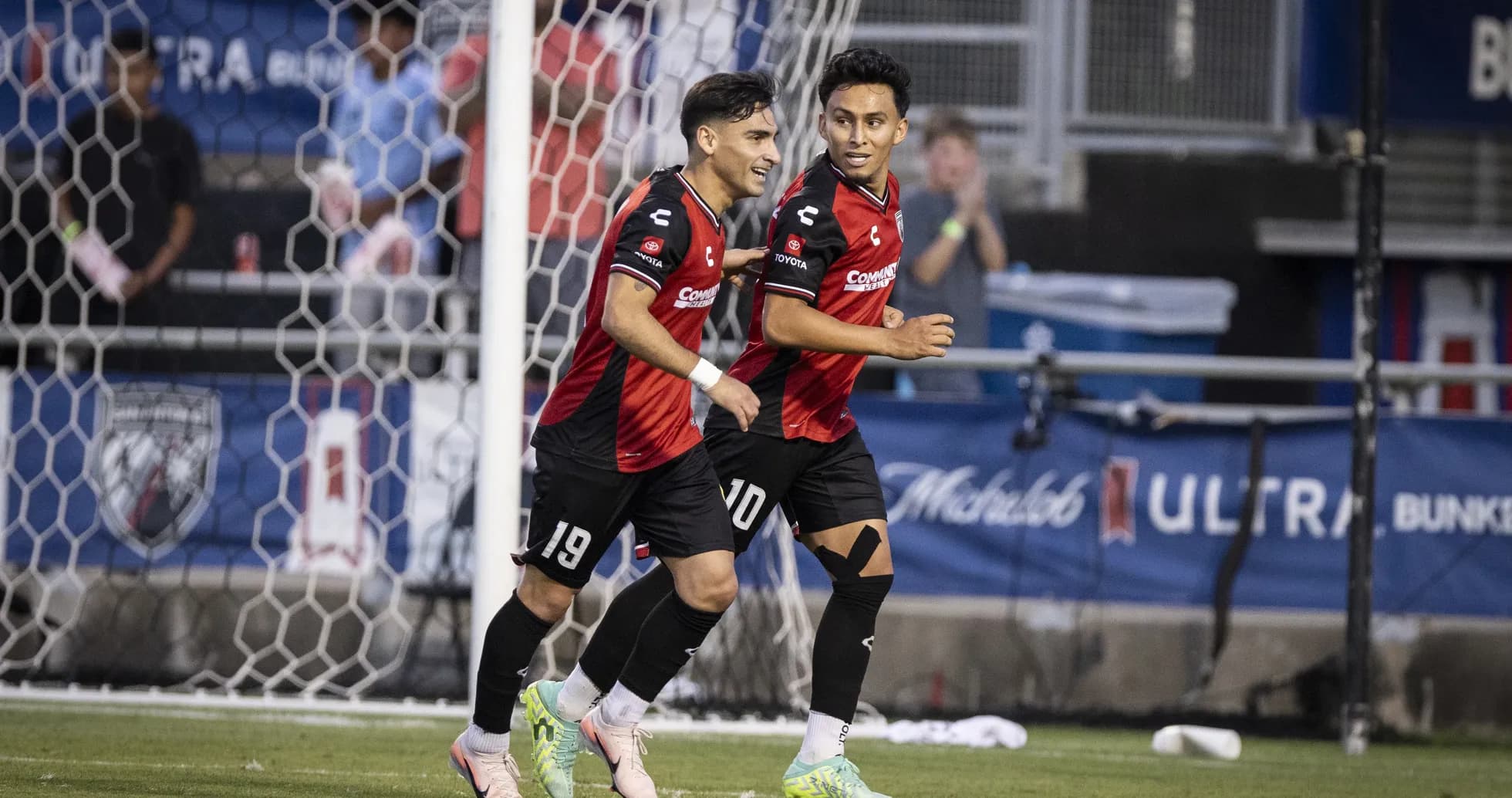
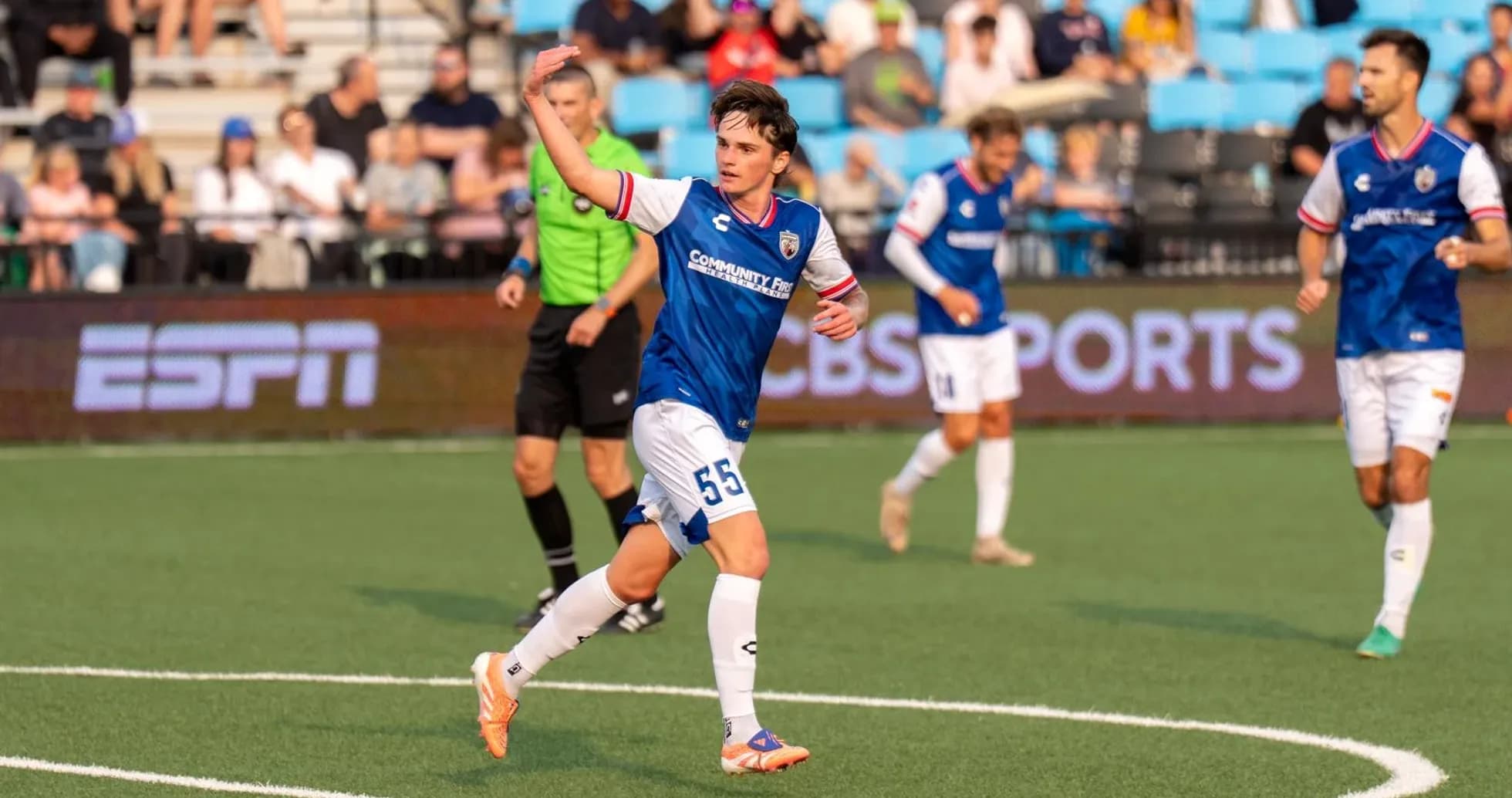
Under the lights at Weidner Field, Colorado Springs and San Antonio delivered a tight, tactical USL Championship encounter that finished 2–1 to the visitors. Following this result, the table context is stark: Colorado Springs sit 9th in their group on 16 points with a goal difference of 0, while San Antonio, on 24 points and a goal difference of 3, continue to look every inch a promotion contender.
Colorado Springs’ seasonal DNA is that of volatility. Overall this campaign they have played 13 matches, winning 4, drawing 4 and losing 5, scoring 21 and conceding 21. At home they have been slightly more expansive: 6 games, 2 wins, 2 draws, 2 defeats, with 11 goals for and 9 against. The averages tell the story of a team that opens up at Weidner Field: 1.8 goals scored at home, but 1.5 conceded.
San Antonio arrive from the opposite end of the stylistic spectrum: compact, hard to beat, and relentlessly accumulating points. Overall they have played 14 matches, winning 6, drawing 6 and losing only 2, with 20 goals for and 17 against. On their travels they have played 8 times, winning 2, drawing 4 and losing 2, scoring 10 and conceding 12. The away averages — 1.3 goals scored and 1.5 conceded — depict a side that accepts low-margin games but usually bends them in their favour.
The 1–1 half-time scoreline, before San Antonio’s second-half winner, mirrored these identities: Colorado Springs willing to trade chances; San Antonio patient, structured, and waiting for the moment to tilt the contest.
Tactical voids and disciplinary undercurrents
With no formal injury or suspension list provided, both coaches appeared to have near-full squads, yet the tactical “voids” emerged from structural choices rather than absences.
Alan McCann’s Colorado Springs XI, built around C. Shutler in goal and a defensive core of P. Burner, T. Maples and M. Mahoney, sought to use the altitude and home rhythm to play front-foot football. The presence of A. Rocha and B. Creek suggested a double-pivot or staggered midfield base, allowing S. Williams and A. Perez to push higher and connect with the fluid front trio of J. Tejada, Y. Hanya and K. Bennett. It is a side configured to score — and the numbers back that up — but the lack of clean sheets at home (0 so far this season) again undercut their ambition.
Disciplinarily, Colorado Springs’ season-long pattern hinted at a team that grows increasingly combative after the break. Their yellow-card distribution peaks between 46–60 minutes at 21.74%, with another 17.39% in the 76–90 window and 13.04% deep into 91–105. Even without individual card data from this match, the profile is of a group that often walks the disciplinary tightrope as intensity rises. That tendency can fracture defensive concentration at precisely the moments when game management is most needed.
San Antonio, by contrast, are serially controlled rather than reckless. They show no red cards in any time band this season, and their yellow cards cluster between 46–75 minutes, with 20.93% in 46–60 and another 20.93% in 61–75, followed by 18.60% in 76–90. This is a team that accepts tactical fouls and physical duels in the engine room but rarely tips over the edge. In a tight away game like this, that composure becomes a weapon.
Key matchups – hunter vs shield, engine room vs enforcer
Without official top-scorer data, the “hunter vs shield” duel is best read through collective metrics. Colorado Springs, at home, average 1.8 goals scored; San Antonio, away, concede 1.5. On paper, that tilt favours the hosts’ attacking unit of Tejada, Hanya and Bennett against a visiting back line marshalled by A. Ward, A. Crognale, D. Barbir and M. Taintor in front of goalkeeper J. Batrouni.
The defensive “shield” San Antonio provide is not about impenetrability so much as control of chaos. Overall they concede 1.2 goals per match, and have already kept 5 clean sheets this season, with 2 of those on their travels. Their biggest away win, 2–3, and heaviest away defeat, 2–0, both underline that they are comfortable in narrow-scoreline games; they can suffer, but they rarely collapse.
The “engine room” battle revolved around Colorado Springs’ midfield carriers and connectors — Rocha, Creek, Williams and Perez — against San Antonio’s central triangle of E. Cuello, J. Hernandez and L. Berron. For Colorado Springs, that unit is tasked with feeding the forwards and sustaining pressure, but their season-long defensive record (21 conceded overall, 12 on their travels for opponents) shows that when the midfield line is bypassed, the back four can be exposed.
San Antonio’s midfielders, meanwhile, are the enforcers of their game model. Cuello and Hernandez, in particular, are key to setting the pressing triggers and deciding when to slow the tempo. Their success is reflected in San Antonio’s ability to avoid losing streaks; their biggest losing run is just 1 game, and they have pieced together winning streaks of 2 and drawing streaks of 2. That consistency is born in the centre of the pitch.
One further nuance: Colorado Springs’ relationship with penalties. Overall this campaign they have been awarded 6 penalties, scoring 5 (83.33%) but missing 1 (16.67%). That single miss is a psychological marker — in tight games like this 2–1 defeat, the memory of a squandered spot-kick can weigh heavily on decision-making in the box, encouraging extra touches instead of ruthless first-time finishes.
Statistical prognosis and what this result tells us
Following this result, the statistical currents of the season feel reinforced rather than rewritten. Colorado Springs remain a side whose overall averages — 1.6 goals scored and 1.6 conceded per game — speak to balance on paper but volatility in practice. They create enough to hurt anyone, especially at home, but with only 1 clean sheet overall and none at Weidner Field, they are perpetually living on the edge.
San Antonio’s 2–1 win fits their broader pattern: marginal superiority in low-scoring contests. Overall they average 1.4 goals scored and 1.2 conceded, and their away profile (1.3 for, 1.5 against) suggests that when they do win on their travels, it is by navigating fine tactical details rather than overwhelming opponents.
If we translate these numbers into an xG-style prognosis for similar future meetings, the template is clear. Colorado Springs’ home attack versus San Antonio’s away defence points toward a narrow expectation — something like a one-goal margin either way, with the visitors’ structural solidity and superior league position giving them a slight edge. The late-game card surges for both sides, especially Colorado Springs’ 21.74% of yellows between 46–60 and San Antonio’s twin 20.93% peaks in 46–60 and 61–75, hint at second halves defined by tactical fouls, broken rhythm, and set-piece danger.
In that landscape, San Antonio’s discipline — no penalties conceded this season, no red cards, and a comfort in grinding — becomes decisive. Colorado Springs can punch, but San Antonio can absorb and counter-punch with just enough precision. The 2–1 scoreline at Weidner Field feels less like an upset and more like the logical outcome of two identities colliding: the home side’s expansive, error-prone ambition against the visitors’ measured, promotion-calibre control.