Northern Ireland's Tough Four-Game Test Amidst Injury Woes
The international calendar has shifted, and Northern Ireland are about to feel the full weight of it.
By this point in September in previous years, Michael O’Neill’s side would already have two games behind them. This time, he names a squad on Tuesday for a punishing four-match block that runs from 25 September to 5 October – Georgia away, Hungary in Belfast, Ukraine in Slovakia, then Georgia again in Belfast to close it out.
Four games. Eleven days. A squad already patched together.
Bradley blow leaves a hole no one can quite fill
The biggest problem is the one O’Neill has been bracing for.
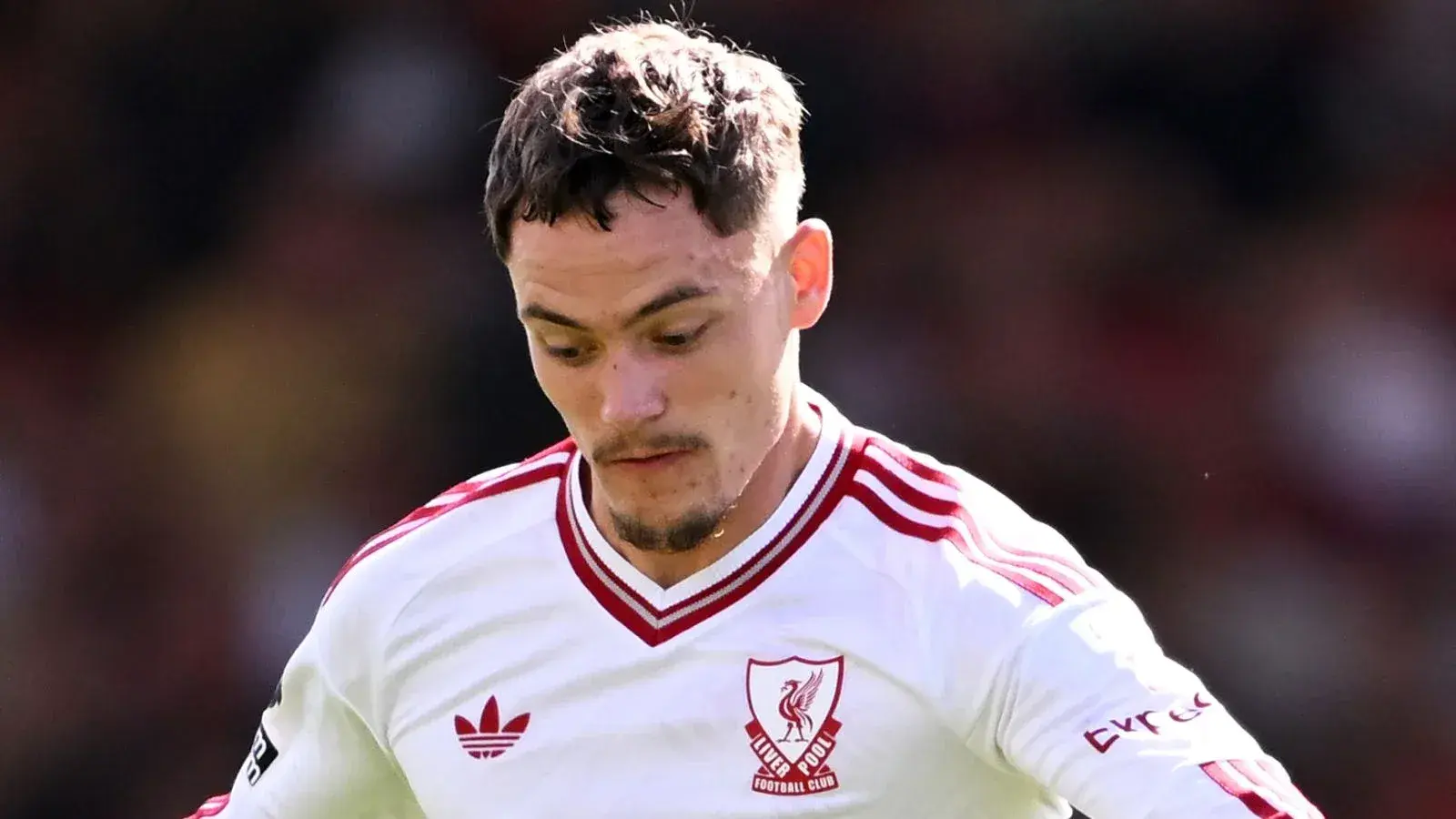
Conor Bradley has not played for club or country since knee surgery in January. The Liverpool full-back, used as an attacking right-sided force in Northern Ireland’s 3-5-2, has been central to everything O’Neill wants his team to be – front-foot, aggressive, hard-running.
O’Neill admitted to BBC Sport NI this month that he always suspected the recovery “was going to take longer than maybe some people were thinking” and called it a “bonus” if Bradley appears in a green shirt before March 2027. That is as stark as it sounds.
Bradley has already missed six of Northern Ireland’s last 14 games through injury, and another through suspension. Every time he’s absent, the same truth comes back: they are trying to replace the irreplaceable.
There are natural options down that flank, but none with Bradley’s blend of relentless attacking drive and defensive sharpness. In a four-game window, that loss is magnified.
McCann’s absence rips open the midfield
Bradley is not the only key piece missing.
Ali McCann damaged his hamstring in Preston’s 4-0 Carabao Cup defeat by Everton last month. His club manager Paul Heckingbottom has already said his captain will be out for “months”.
O’Neill has long highlighted McCann as the type of player whose value only truly hits home when he is not there. Now he isn’t – and it leaves a clear gap alongside Fulham’s Shea Charles in the preferred double pivot.
McCann’s energy, pressing and discipline have underpinned O’Neill’s midfield balance. Without him, that structure needs rebuilding on the fly, right before a relentless run of fixtures.
New faces, new roles, same demands
The summer transfer window has reshaped parts of this squad again, with several players on the move and others taking on fresh roles at club level.
Justin Devenny has wasted no time at Stoke City, scoring twice on his first start since arriving from Crystal Palace. For Northern Ireland, the natural left-footer has already brought balance as a wing-back since his debut in June 2025, hugging the touchline and stretching games.
At Stoke, though, he has been used as a central midfielder. That versatility suddenly matters. With McCann sidelined, Devenny is an obvious candidate to step into that void, just as he did in March during the World Cup play-off defeat by Italy.
If Devenny is needed inside, the left flank opens up again. Oxford United’s Brodie Spencer, a contender to cover Bradley on the right, could instead be pushed to left wing-back if O’Neill wants to keep Devenny central.
There is another intriguing option: Ethan Galbraith. Now Devenny’s club-mate at Stoke, the former Swansea City man could be deployed deeper in midfield, allowing him to dictate play more often and get on the ball in areas where he can shape the game.
Isaac Price looks certain to occupy one of the advanced midfield roles. That locks in one piece of the jigsaw and leaves O’Neill with a decision over who partners the West Brom man further forward.
Donley nailed on up top – but who supports him?
Up front, there is at least some clarity.
Jamie Donley has started the last five games as the central striker, scoring against Luxembourg and Wales since being moved into the number nine role. He has led the line with enough authority that shifting him deeper now would feel like an unnecessary gamble.
Behind him, the picture is less settled. Patrick Kelly and Callum Marshall are both options, but the schedule and the injuries raise a bigger question: does O’Neill lean into youth and throw an unproven attacking talent straight into the intensity of competitive internationals?
Liverpool’s Kieran Morrison, on loan at Sheffield Wednesday, Arsenal’s Ceadach O’Neill and Everton’s Braiden Graham were all in the squad in June. Morrison and O’Neill both made their debuts in the friendly win over Guinea, and O’Neill also came off the bench against France four days later after catching the eye of Mikel Arteta in pre-season.
The step from summer friendlies to a four-game competitive window is steep. O’Neill’s track record, though, is clear: he has never been afraid to trust young players before they are fully established at club level. This calendar may force his hand again.
A brutal reminder of 2022 – and the resource gap
Northern Ireland know what a congested window can do to a squad with limited depth. They have lived it.
The last time they faced such a crammed schedule was June 2022, in the shadow of the Covid-19 pandemic. Then-manager Ian Baraclough watched his side lose to Greece and Kosovo and draw twice with Cyprus. Only Jonny Evans’ added-time equaliser against the Cypriots at Windsor Park stopped the picture looking even bleaker.
That run underlined a harsh reality: when fixtures pile up, countries with smaller playing pools feel the strain first and hardest.
O’Neill had, during the last Nations League campaign, given the impression he had settled on a favoured starting XI when everyone was fit. This year has been different. A trio of friendlies has allowed him to open the door wider and assess more options.
In four matches in 2026, he has used 27 players. Twenty-one of them featured in the game against Guinea alone. It was experimentation by necessity and design – and now that work is about to be tested.
Depth about to face its first real exam
The injury list underlines why that depth matters.
Like Bradley, Sunderland defender Daniel Ballard has not played for Northern Ireland this calendar year. Dion Charles, Bailey Peacock-Farrell and Jamal Lewis are among those who have not been called up since November 2025.
O’Neill is approaching the four-year mark since returning to the job. He has spent much of this year broadening his options, building layers beneath his first-choice side.
Now comes the first true stress test: four games, 11 days, key players missing, and a squad that will be asked to stretch in every direction.
We are about to find out if the depth he has worked so hard to create is strong enough to carry Northern Ireland through a window that could shape the next phase of his tenure.