New Mexico United Dominates Phoenix Rising 4–0 in USL Cup Clash
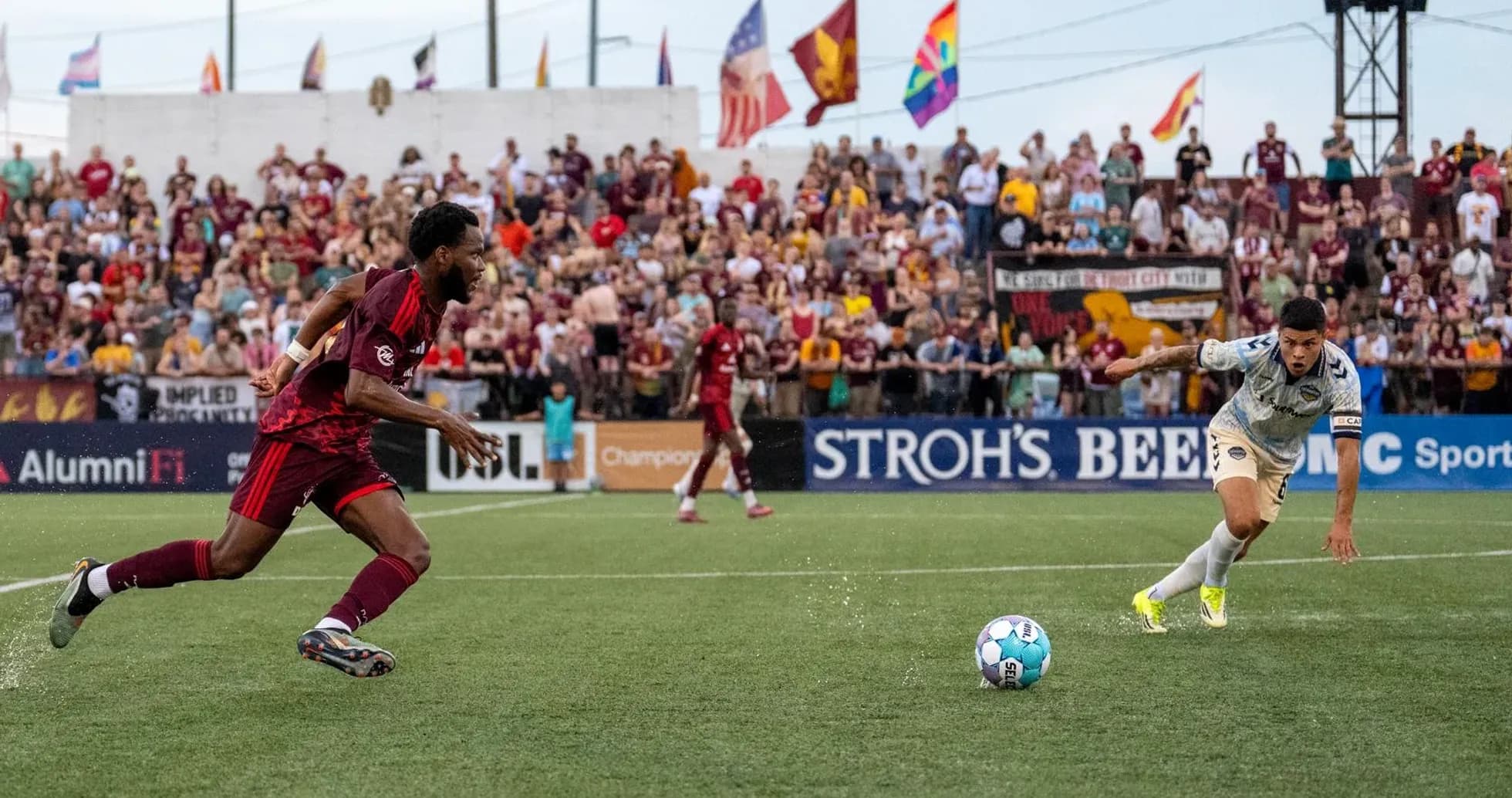
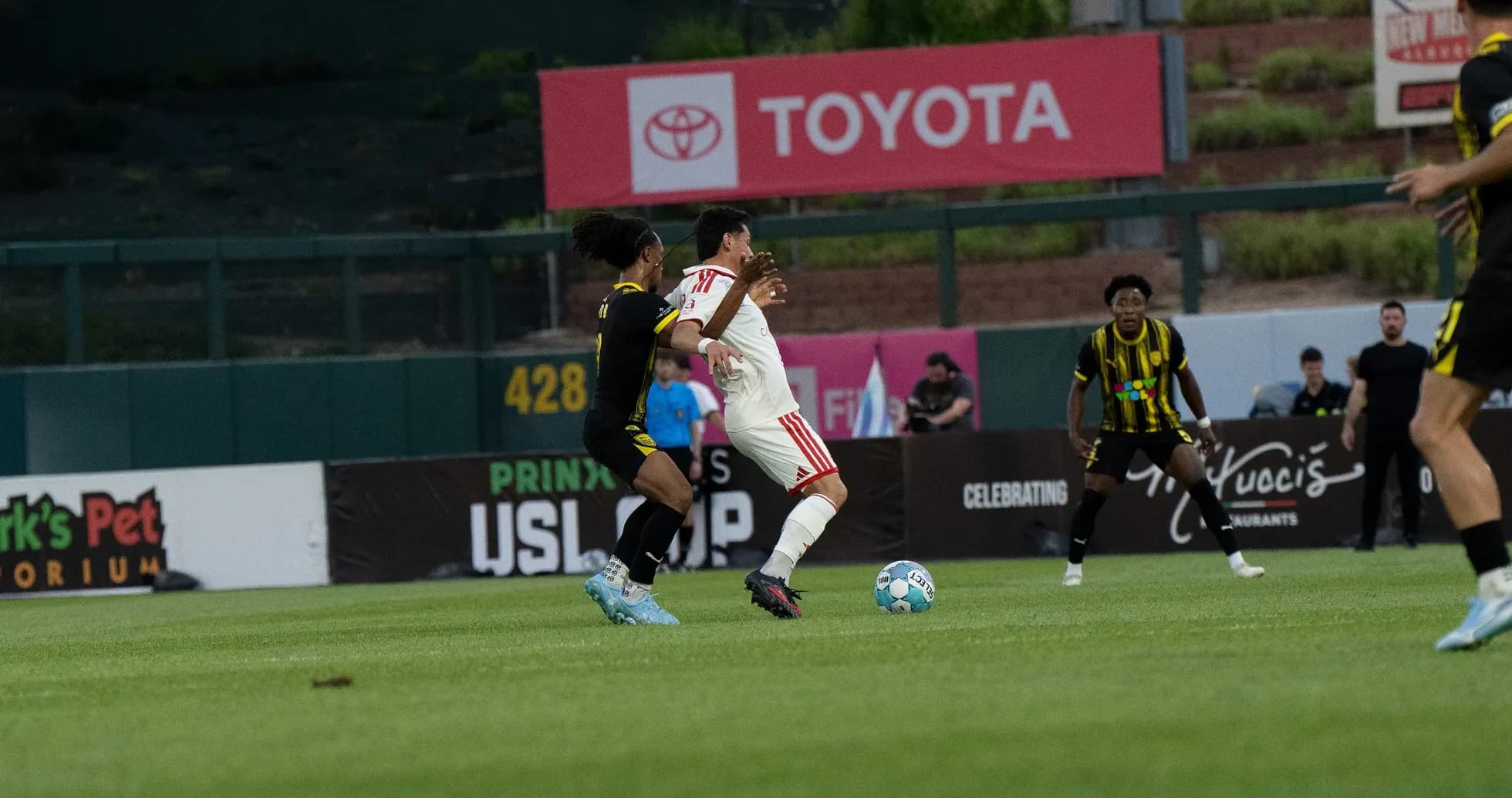
Under the floodlights of Rio Grande Credit Union Field at Isotopes Park, New Mexico United turned a tense USL League One Cup group-stage fixture into a statement performance, dismantling Phoenix Rising 4–0 and reshaping the balance of Group 2 in the process.
I. The Big Picture – Group Stakes and Seasonal DNA
Following this result, New Mexico consolidate their identity as one of the group’s most assertive sides. Overall this campaign, they have played 3 matches, winning 2 and losing 1, with 6 goals for and 5 against. That yields a goal difference of +1, underpinned by a stark home/away split: at home they have been ruthless, with 6 goals for and only 1 conceded across 2 matches; on their travels they have yet to score and have shipped 4.
Phoenix Rising, by contrast, leave Albuquerque with their vulnerabilities exposed. Overall this campaign, they have played 3 times, winning 1 and losing 2, scoring 2 and conceding 6 for a goal difference of -4. At home they have been competitive (2 goals for and 2 against), but away from home the numbers are brutal: 0 goals scored and 4 conceded in their only away fixture before this one, a pattern that this 4–0 defeat only reinforces at the narrative level, even if the standings snapshot predates the match.
The match itself followed a clear arc. New Mexico led 1–0 at half-time and accelerated after the break, layering three more goals onto a Phoenix side that never truly adjusted to the tempo or physicality of Dennis Sanchez’s men.
II. Tactical Voids and Discipline – Where the Game Tilted
With no official absences listed, both coaches had full decks to play with, and the tactical story is written through selection and in-game trends rather than enforced changes.
Sanchez’s XI was built around a balanced spine. K. Shakes anchored from the back, with a defensive line likely marshalled by the experience of K. Keller, N. Hamalainen and C. Gloster. In front of them, the presence of O. Jabang and Z. Bailey suggested a double-pivot capable of both screening and springing transitions, freeing creative and vertical runners like N. Reid-Stephen, V. Noel, D. Harris and the focal point G. Hurst.
Phoenix coach Pa-Modou Kah answered with a side that on paper had enough technical quality to compete. C. Odunze started in goal, protected by a back line featuring N. Cross, P. Mar Boye and J. Gaydon. The midfield and attacking band, with L. Biasi, D. Flores, E. Ramirez, A. Balanzar, J. Ping, G. Studenhofft and D. Gomez, promised combinations between the lines. Yet the gap between intention and execution was stark.
Discipline played a subtle but important role in the rhythm of the match. Heading into this game, New Mexico’s yellow-card distribution showed a pronounced spike between 46–60 minutes, where 50.00% of their cautions were concentrated, with further late pressure in the 76–90 window at 25.00%. That profile hints at a side that tackles aggressively just after half-time and again as matches stretch, a reflection of their intensity in key momentum phases.
Phoenix’s yellow-card pattern was similarly clustered. Overall this campaign, 40.00% of their bookings came between 46–60 minutes, with 20.00% in each of the 0–15, 31–45 and 76–90 windows. That suggests a team that often finds itself scrambling in the immediate aftermath of the interval and again late on, as structure frays and fatigue bites. In Albuquerque, that fragility was punished ruthlessly.
III. Key Matchups – Hunter vs Shield, Engine Room vs Enforcer
Without individual scoring charts, the “Hunter vs Shield” narrative becomes collective: New Mexico’s home attack versus Phoenix’s away defence.
Heading into this game, New Mexico’s attack at home averaged 3.0 goals per match, with 6 goals across 2 home fixtures. Phoenix’s defence away from home had been conceding 4.0 goals per match, with 4 goals allowed in their lone away outing. The collision was always likely to be lopsided, and the 4–0 scoreline simply confirmed what the numbers foreshadowed: New Mexico’s front unit, led by Hurst and supplied by Reid-Stephen, Noel and Harris, had the tools to overwhelm a back line that has struggled to withstand pressure on their travels.
In midfield, the “Engine Room” duel was decisive. Jabang and Bailey, supported by Harris, offered a platform of ball-winning and circulation that Phoenix never quite matched. Players like Biasi, Flores and Ramirez were asked to be both playmakers and firefighters, tracking New Mexico’s runners while trying to build through the thirds. Once New Mexico established territorial control, Phoenix’s midfield became stretched, forced deeper to protect Odunze, and their attacking outlets like Studenhofft and Gomez were starved of quality possession.
The benches also told their own tactical story. Sanchez had the option to inject fresh energy and different profiles through T. Wente, T. Blackett, C. Wilkerson, G. Zelalem, M. Vargas, J. Rennicks, L. Archimede and C. Nava. That depth allowed New Mexico to sustain pressing and attacking intent even as the minutes ticked away. Kah’s options – including P. Rakovsky, T. Shaw, D. Rivera, J. Moursou, I. Sacko, C. Smith and G. Rivera – gave him ways to tweak shape, but once the scoreline began to run away, structural adjustments were chasing a game that had already tilted decisively.
IV. Statistical Prognosis – What This Result Signals
From a statistical and tactical lens, this match feels less like an anomaly and more like an amplification of existing trends. New Mexico’s overall goals-for average of 2.0 per match is driven entirely by their home form, where they combine a prolific attack (3.0 goals for at home) with a parsimonious defence (0.5 goals against at home). Phoenix’s overall attacking average of 0.7 goals per match, coupled with 0.0 goals for away and 4.0 conceded away, paints the picture of a side that has yet to find a reliable away blueprint.
Following this result, the prognosis for both squads in the USL League One Cup group is clear. New Mexico United look like a home-powered contender, built on an aggressive, front-foot style that peaks in the very phases where Phoenix historically wobble. Phoenix Rising, meanwhile, must urgently re-engineer their away structure – particularly the protective screen in front of Odunze – if they are to turn their technical promise into points on the road and avoid more nights like this one.