Monterrey vs Cruz Azul: Tactical Clash in Apertura Round 9
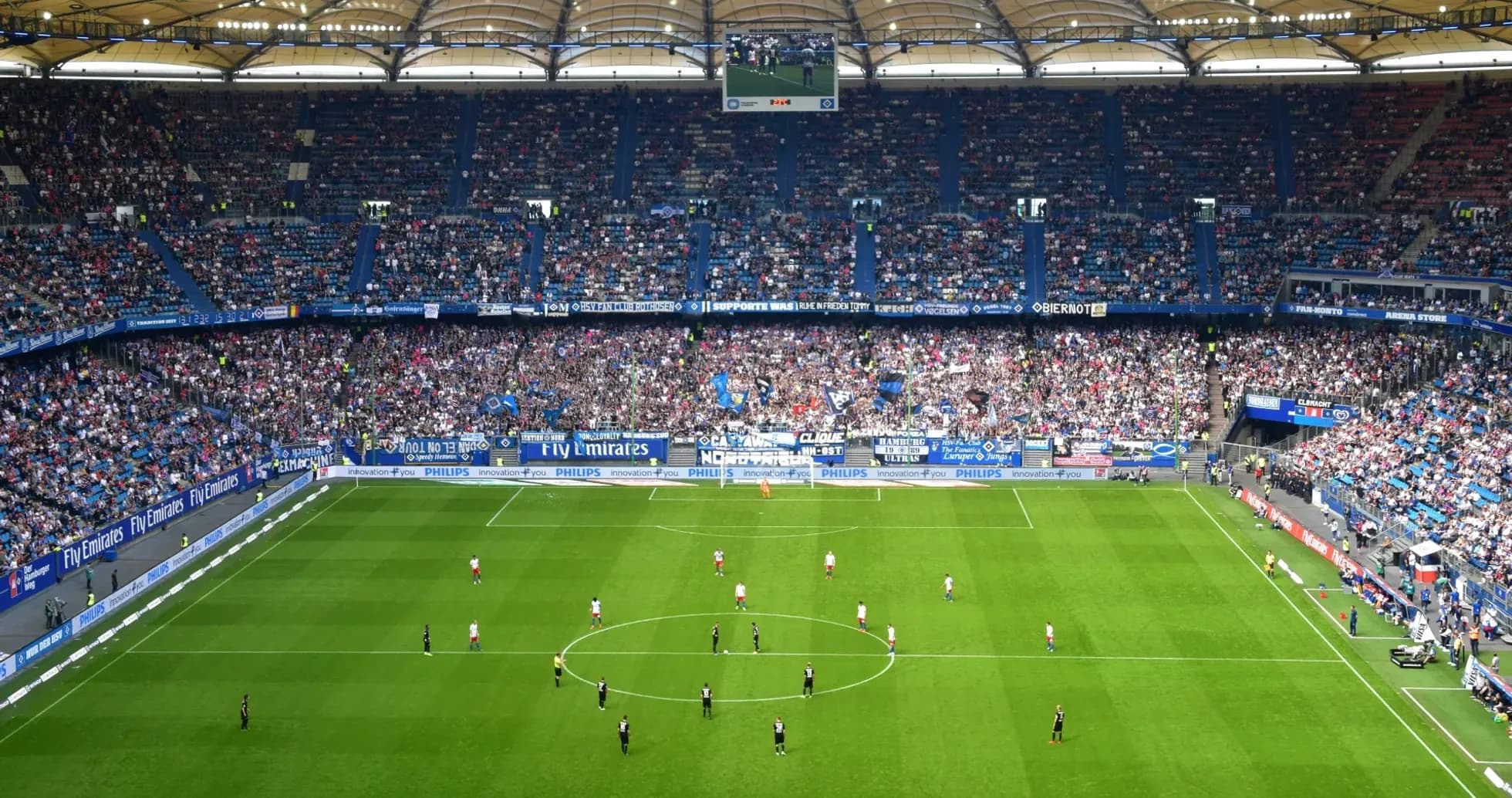
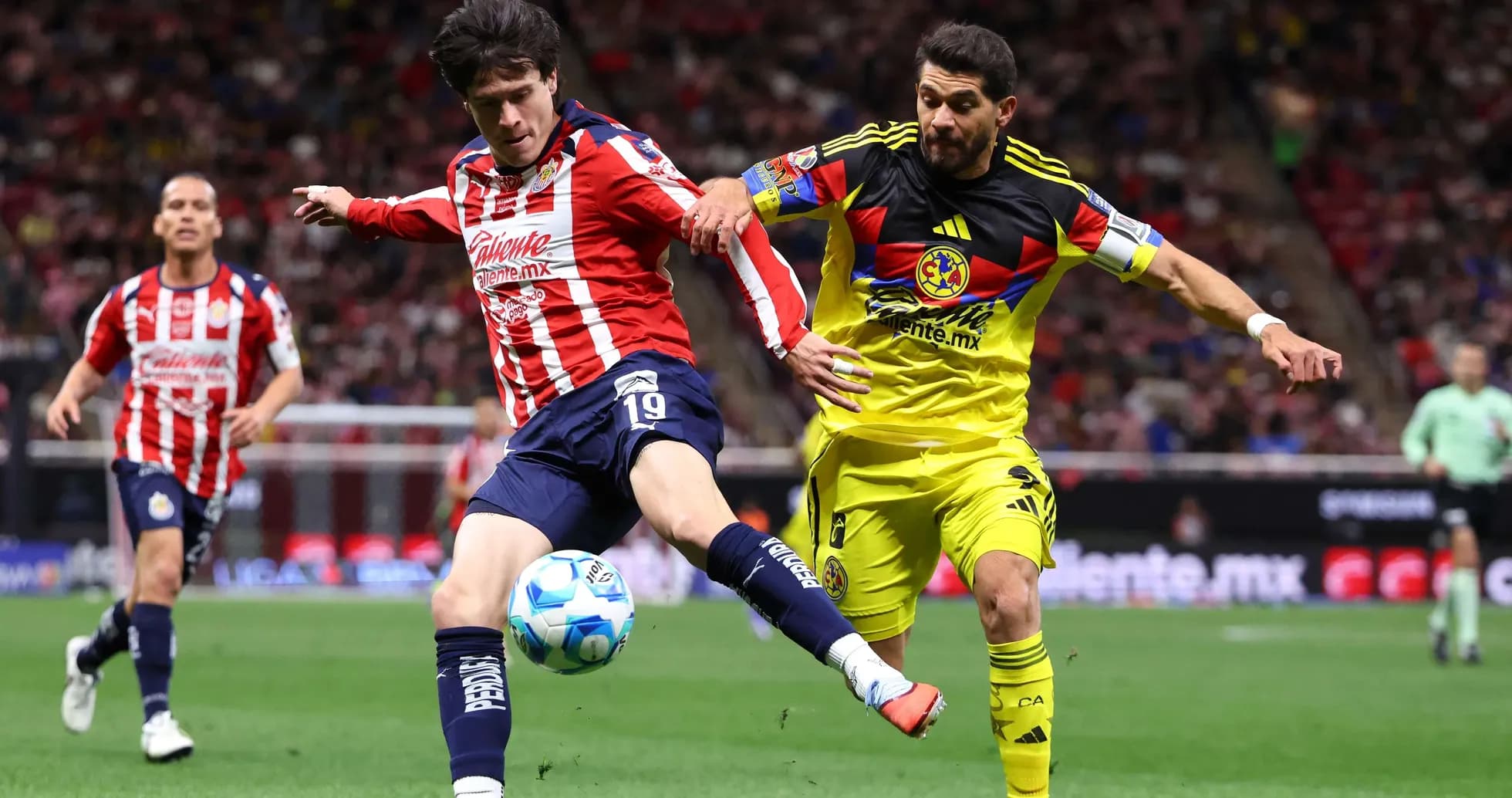
Under the Monterrey night at Estadio BBVA, this Apertura Round 9 clash finished with a narrow but telling 1–0 home win, a result that quietly reshapes the narrative around both Monterrey and Cruz Azul.
I. The Big Picture – Two Identities Colliding
Heading into this game, Monterrey were a mid-table paradox: 10th in Liga MX with 13 points, but with the profile of a contender at home. Across the campaign they had scored 14 goals and conceded 10, giving them an overall goal difference of +4. At home they had been ruthless, with 11 goals scored and 6 conceded in just 5 matches, an average of 2.2 goals for and 1.2 against at Estadio BBVA.
Cruz Azul arrived as the more efficient machine in the standings. Fourth place, 15 points, and a total goal difference of +1 (16 scored, 15 conceded) told the story of a side that rarely draws: 5 wins, 4 defeats, no middle ground. On their travels they had been sharp in both boxes, with 7 away goals scored and 6 conceded in 4 matches, averaging 1.8 goals for and 1.5 against.
The tactical clash was clear from the lineups. Monterrey, under M. Almeyda, leaned into their season-long identity with a 4-2-3-1 that has been used in 7 of their 8 league fixtures. Cruz Azul, guided by Joel Huiqui, doubled down on defensive density with a 5-4-1, a shape they have used 3 times this season and which reflects a desire to compress space rather than dominate the ball.
II. Tactical Voids and Discipline – Managing the Edges
There were no listed absentees, so both managers had near-full decks. Yet Monterrey’s defensive story this season has been shaped by disciplinary strain. Carlos Salcedo, S. Medina, and G. Arteaga all sit among the league’s top red-carded players, a sign of a back line that has flirted with the edge. The season card distribution reinforces that picture: for Monterrey, 36.36% of their yellow cards arrive between 46–60 minutes, and another 27.27% between 76–90. Their red cards skew dramatically late, with 66.67% shown between 91–105 minutes. This is a team that can lose control as fatigue and emotion rise.
Cruz Azul’s disciplinary profile is more concentrated in the heart of the second half. Half of their yellow cards come between 46–60 minutes, with another 27.78% between 61–75. The risk window is obvious: when the game accelerates after the break, their aggression spikes.
In this match, Monterrey’s early goal and compact management of space allowed them to keep the game from becoming the kind of stretched, emotional contest where those late cards usually appear. The 1–0 scoreline, with the home side ahead already by half-time, meant they could defend more in structure and less in desperation.
III. Key Matchups – Hunter vs Shield, Engine Room vs Enforcer
The defining figure of Monterrey’s season remains L. Ocampos. With 5 goals and 1 assist in 7 appearances, 25 shots (10 on target), and a rating of 7.73, he is the league’s fourth-ranked performer. Nominally a midfielder, his role in Almeyda’s 4-2-3-1 is that of a roaming hunter, attacking the half-spaces and driving at back lines. His penalty record – 2 scored from 2 for Monterrey this season, with the team perfect from the spot – adds a layer of threat whenever he breaks into the box.
Opposite him, Cruz Azul’s shield was a back five anchored by W. Ditta and G. Piovi, with J. Márquez as the standout. Márquez, rated 6.95 across the season, has 3 goals and 1 assist from defence, 22 tackles, 1 blocked shot, and 15 interceptions. He is not just a stopper; he is a first passer and set-piece threat. In a 5-4-1, his positioning between the line and the wing-back lanes is crucial to preventing overloads.
Yet Monterrey’s attacking constellation is broader than Ocampos. J. Corona, with 2 assists and 1 goal, 14 key passes, and an 85% pass accuracy, drifts inside from the right to combine. Diego Rossi adds vertical runs and 3 assists of his own. Behind them, Óliver Torres and O. Pineda provide the double pivot that allows full-backs like R. Chávez and A. Aceves to step high.
For Cruz Azul, the “engine room” is built around C. Rodríguez and J. Paradela. Rodríguez leads the league in assists with 5, supported by 39 key passes and 425 total passes at 84% accuracy. Paradela adds 2 goals, 4 assists, 22 key passes, and 10 tackles, with 7 blocked shots that underline his two-way responsibility. In theory, this duo should have been the platform to break Monterrey’s lines.
In practice, the 5-4-1 left G. Fernández isolated up front, and with Cruz Azul’s only clean sheet of the season coming at home, not away, their ability to chase a deficit on their travels was always in doubt.
IV. Statistical Prognosis – Why 1–0 Made Sense
Across the campaign, both teams carried identical overall scoring averages of 1.8 goals per game, but their defensive profiles diverged. Monterrey’s total goals against average sits at 1.3, while Cruz Azul’s is 1.7. At home, Monterrey concede just 1.2 per match; away, Cruz Azul allow 1.5. That defensive edge, combined with Monterrey’s 2.2 home goals per game, pointed toward a narrow home win rather than a shootout.
Cruz Azul’s penalty record is another hidden fault line: 3 penalties taken, only 1 scored, and 2 missed – a conversion rate of just 33.33%. In tight matches, that inefficiency is the difference between salvaging points and going home empty-handed. Monterrey, by contrast, have been perfect from the spot this season, with 2 penalties scored and none missed.
Overlaying the discipline patterns with those scoring trends, the likeliest script was always Monterrey striking first, then forcing Cruz Azul to open up into the very time windows where their yellow cards spike and their defensive structure frays. The final 1–0 margin reflects a home side that leaned into its strengths: a familiar 4-2-3-1, a top-end creator-finisher in Ocampos, and a defensive unit that, for once, kept its nerve for the full 90 minutes under the lights of Estadio BBVA.