FC Juarez Secures Tactical Reset with 2–0 Win Over Tigres UANL
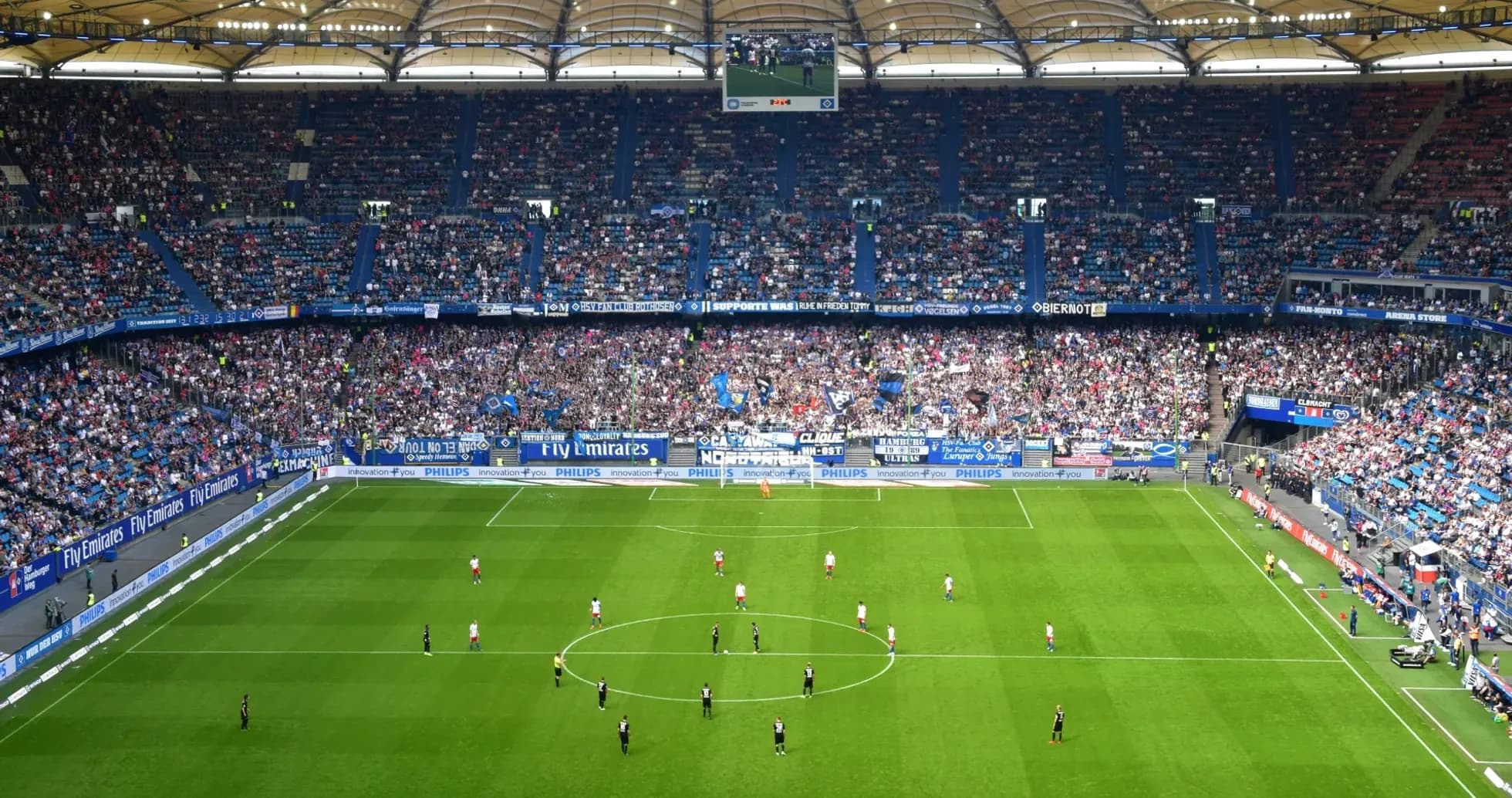
The night at Estadio Olímpico Benito Juárez closed with something FC Juarez had almost forgotten how to feel: control. In a season defined by damage limitation and late collapses, a 2–0 win over Tigres UANL in Apertura Round 9 was more than three points; it was a tactical reset carried out under pressure.
I. The Big Picture – Two Struggling Giants, One Clear Statement
Heading into this game, the table painted a bleak picture for both sides. FC Juarez were 18th with 3 points from 9 matches, a goal difference of -17 built from 6 goals scored and 23 conceded overall. At home they had played 5, winning just 1 and losing 4, with 4 goals for and 10 against. Tigres arrived only slightly better off: 16th with 7 points from 9, and a goal difference of -4 (9 scored, 13 conceded overall). On their travels they had played 6, failing to win any of them, drawing 2 and losing 4, with 4 goals for and 10 conceded away.
Those numbers framed this as a meeting between the league’s worst defence and an away side that could not turn structure into victories. Yet the final 2–0 scoreline to Juarez suggested something more deliberate than chaos.
T. Campos set Juarez up in a compact 5-3-2, with S. Jurado behind a back five of F. Nevárez, J. Murillo, G. Sepúlveda, D. Piña and J. Aquino. The message was clear: protect the box first, then trust the front duo of Ó. Estupiñán and J. Rodríguez to punish mistakes. Across from them, M. Vucetich persisted with Tigres’ preferred 4-2-3-1, anchored by F. Gorriarán and C. Araújo in the double pivot, and built around the creative gravity of J. Brunetta behind R. Aguirre.
II. Tactical Voids – Discipline, Nerves and the Edges of Control
Neither side came in with official absences listed, so the voids were more psychological than personnel-based. Juarez’s season-long numbers showed a team that usually broke late: 27.27% of their goals conceded arrived between 76–90 minutes, and they had allowed 4 goals in the opening 0–15 minutes as well. They were fragile at the bookends of games.
Tigres, by contrast, had their own soft underbelly. On their travels they conceded an average of 1.7 goals per match, and overall nearly half of their goals against (46.15%) arrived in the 76–90 minute window. This was a side that often started reasonably but lost control as matches stretched.
Disciplinary trends shaped the emotional tone. For Juarez, D. García and J. Murillo both came into this fixture among the league’s most booked players, each with 3 yellow cards. The team’s yellow card profile showed 27.27% of bookings coming in the final quarter-hour, a sign of late desperation and fatigue. Tigres brought their own edge: F. Gorriarán had 3 yellows and a yellow-red, while red cards to D. Lainez and R. Aguirre earlier in the campaign underlined a combustible streak. Their yellow distribution peaked at 16–30 and 76–90 minutes (25.00% each), with red cards already shown in the 46–60 and 76–90 ranges.
In a match where both teams habitually lost their heads late, the fact Juarez closed this one out without imploding felt as significant as the goals themselves.
III. Key Matchups – Hunter vs Shield, Engine Room vs Enforcer
The headline duel was always going to be Ó. Estupiñán against a Tigres defence that had leaked 10 goals away from home. Estupiñán’s season suggested a striker doing everything he could in a broken structure: 5 goals from 9 appearances, 17 shots with 7 on target, and even 4 blocked shots defensively, underlining his work rate. He had also converted 1 penalty from 1 overall this campaign. Juarez’s attack had been heavily front-loaded in time as well: 57.14% of their goals this season had come between 31–45 minutes, a burst just before half-time.
Against him stood a back line marshalled by Joaquim and A. Franco, with Joaquim quietly one of the league’s most complete defenders: 344 passes at 81% accuracy, 7 tackles, 6 blocked shots and 10 interceptions overall. His aerial presence and timing were intended to neutralise direct service into Estupiñán.
The “Engine Room” battle revolved around creativity versus containment. For Tigres, J. Brunetta arrived as one of Liga MX’s standout performers: 3 goals, 4 assists, 35 key passes and 26 dribble attempts with 13 successful. He was the conduit for almost every dangerous Tigres phase, and his penalty record – 1 scored, 1 missed – hinted at both responsibility and fallibility in decisive moments.
Juarez countered with the midfield pairing of Monchu and Rodrigo Dourado, but the true balance piece was D. García. Across the campaign he had won 43 of 78 duels, made 18 tackles and 11 interceptions, and sat on 3 yellows. His job here was to shrink Brunetta’s operating space between the lines and prevent those diagonal pockets where Tigres’ No. 11 thrives.
Out wide and in transition, J. Rodríguez offered Juarez their creative release valve. With 3 assists, 14 key passes and 13 successful dribbles from 21 attempts this season, he represented the bridge from deep defensive blocks to counter-attacking threat. In a 5-3-2, his willingness to drop and carry the ball was crucial to turning clearances into structured breaks.
IV. Statistical Prognosis – A Result Against the Grain, A Blueprint Going Forward
On paper, Tigres carried the more balanced season profile. Overall they scored 1.0 goal per match and conceded 1.4, with 3 clean sheets and only 3 matches where they failed to score. Juarez, by contrast, averaged just 0.7 goals for and 2.6 against overall, with a single clean sheet and 4 games without a goal.
Yet the structural matchup always offered Juarez a path: their late-game goal threat (14.29% of their goals between 76–90 minutes) intersected with Tigres’ chronic late-game defensive collapse (46.15% of their goals conceded in the same window). Add Tigres’ away fragility and Juarez’s switch to a deeper 5-3-2, and the 2–0 scoreline feels less like a shock and more like a well-executed plan.
Following this result, Juarez not only claimed a rare home win but also found a tactical identity that fits their reality: compact, combative, and ruthlessly dependent on the finishing of Ó. Estupiñán and the transitional craft of J. Rodríguez. For Tigres, the story is darker – a side with one of the league’s best creators in J. Brunetta, yet trapped in an away pattern of structural control without penalty in both boxes.
The numbers say Tigres should still be the more stable long-term bet, but this night in Ciudad Juarez belonged to the team that understood its flaws and built a system around surviving them.