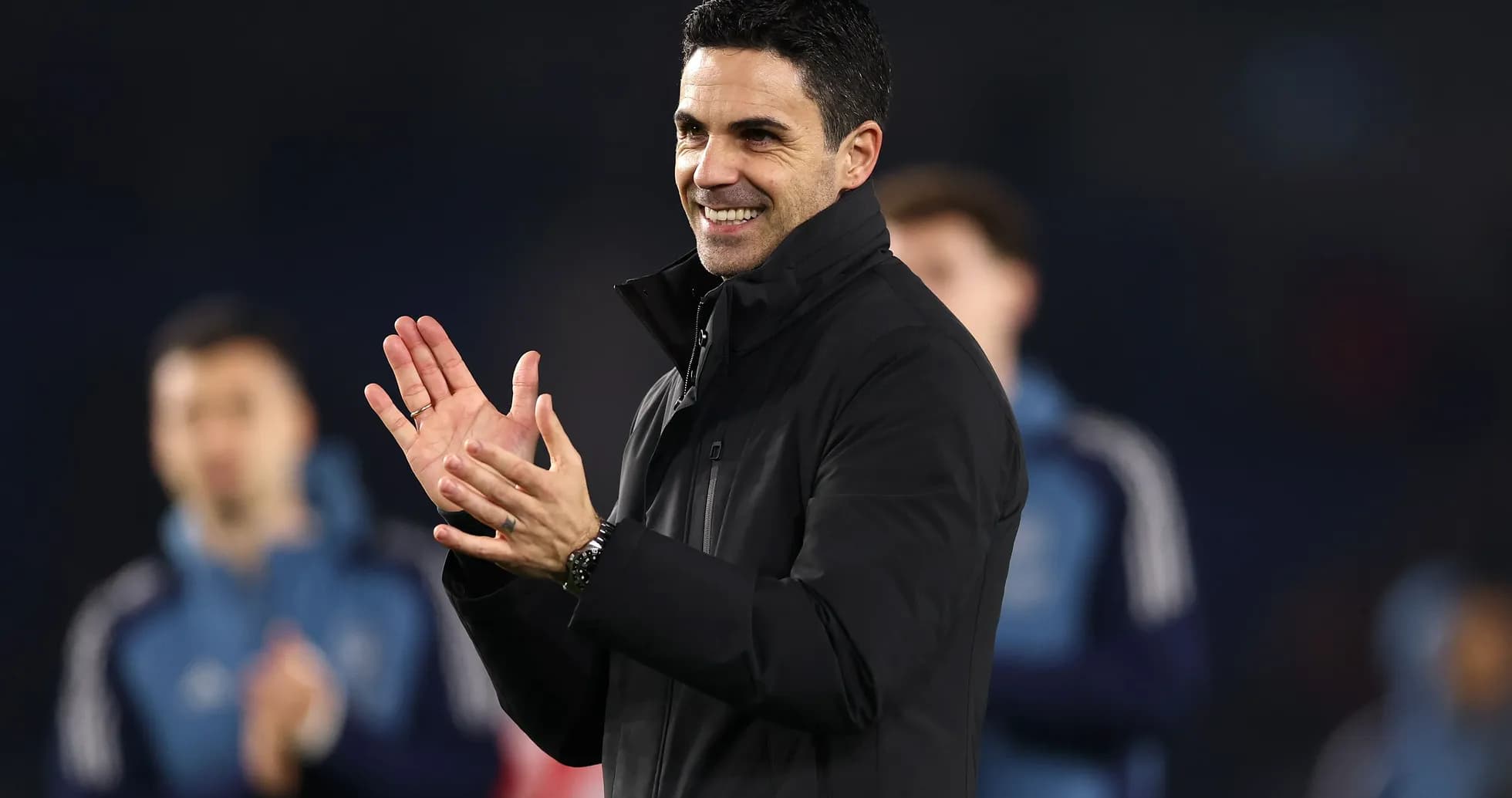
Mikel Arteta Critiques Premier League Towel Ban
Mikel Arteta is not impressed with the Premier League’s latest attempt to speed up the game – and this time, it is the humble towel in the firing line.
The Arsenal manager, whose side leaned heavily on the long-throw threat of Ben White and Declan Rice last season, believes the new directive banning players from drying the ball before throw-ins changes the landscape for set-piece work in the final third.
Towels banned, humour loaded
“Not being able to use the towels is already a big one,” Arteta said in his press conference, half exasperated, half amused. Then he leaned into the absurdity of it all.
“Let’s see what we do. Maybe we will play with hats on!”
Behind the joke sits a serious point. Arsenal, like several top sides, have turned throw-ins into weapons, using a dry ball and a long, flat trajectory to turn routine restarts into aerial bombardments. Removing towels strips away one of the small but deliberate details that underpin that strategy.
Last season, the practice lived in a grey area. Towels could only be used if both clubs agreed before kick-off. That uneasy compromise blew up in one flashpoint when Riccardo Calafiori tried to grab a towel near the Newcastle United goal. Referee Jarred Gillett stepped in, confiscated it, and reminded everyone that there had been no pre-match agreement.
That kind of scene will not be repeated. The new rules shut the door completely.
Time-wasting under the microscope
This is not just about towels. It is part of a sweeping clampdown on time-wasting designed to squeeze more actual football into the 90 minutes.
Players will no longer be able to stand over a throw-in, carefully polishing the ball before launching it into the box. Those long-range missiles, which drew heavy criticism from managers and pundits last season, now have to be delivered with whatever grip the weather allows.
The Premier League is also rolling out visible countdowns for goal-kicks and throw-ins, pushing teams to restart quickly. Substitution windows will be tightly policed to prevent drawn-out changes that drain the clock.
The medical side of the game is being dragged into this drive as well. Outfield players who receive treatment must stay off the pitch for at least one minute. Crucially, if a goalkeeper needs attention, an outfield teammate from the same side must also leave the field for a minute. The message is blunt: use injuries as a tactical pause and your team will pay for it.
Arsenal know exactly why that clause exists. They have been accused of pushing the limits themselves, most notably when Brighton manager Fabian Hurzeler called out David Raya for going down three times in a tight 1-0 win for the Gunners. Those stoppages will now come with a clear cost.
Arteta ready to adapt
Arteta, though, is not fighting the tide. Frustrated or not by the towel ban, he accepts that the game is changing and that his team must move with it.
“We have had the Premier League and the referees there with us to explain and go through everything,” he said. “We will have to see when the season starts and how this unfolds and what is more doable and what is less doable and what we need to adapt.”
He knows the margins are shrinking. Every restart, every countdown, every enforced pause will feed into the rhythm of matches.
“We know that everybody is paying so much to the details, all the restarts and the countdowns, that will bring something else, a different dynamic, different momentum,” he added. “So I am very curious to see.”
For all his irritation at losing a set-piece tool, Arteta backs the broader objective.
“They are really good rules because what we are doing is trying to promote more game time and the fluidity of the games which is better and hopefully that will work.”
The towels are gone. The tricks are under surveillance. For Arsenal and everyone else chasing fine edges, the challenge now is simple: who can find new advantages in a league that is determined to strip the old ones away?