Manchester United's Pressure: Champions League and City Derby Ahead
“It puts a bit of pressure on United. They've got City next week and European games starting in midweek.”
Gary Neville said it minutes after Manchester United let a 2-0 lead slip at Everton. It already feels like the line that frames their week. Early September or not, the temperature around Michael Carrick has gone up a notch. This stretch suddenly feels like it could shape the entire season.
Easy start on paper, heavy reality on the pitch
When the 2026/27 Premier League fixtures dropped, the numbers were kind to United. Statistically, they were handed the easiest first six games in the division. Six chances to build rhythm, confidence, and a points cushion.
Three matches in, they’ve managed the opposite. They’ve dropped more points than they’ve taken.
Now the schedule bites back. On Thursday, the Champions League campaign begins against Azerbaijani champions Sabah. Three days later, the first Manchester derby of the season. Old Trafford under the lights, then the Etihad storm.
Carrick will have looked at those two fixtures and drawn the obvious conclusion: Thursday has to be the rotation game. It’s the first real look at his squad, not just his favoured XI. The first time the supporting cast has to carry the weight.
The question is whether that cast is strong enough.
A big squad that doesn’t feel big
The perception is clear: United’s transfer work has left them short. Not short of bodies, but short of reliable options. Too much strain on the same names, too little trust in the rest.
The numbers back up the paradox. According to Transfermarkt, United have the second biggest squad in the Premier League. Yet the balance of that group is skewed.
They are stacked in forward areas. Attackers everywhere. But in midfield they sit only eighth for depth, and 10th in defence. Zoom in further and it gets more uncomfortable: ninth for right-back depth, 18th at left-back. That last figure is the sorest of all, given how often Luke Shaw’s fitness is discussed.
They have engineered that problem themselves. Since 2022, only Everton and Liverpool have spent less on their backline than United. For a club that has poured money into a rebuild, the neglect of the defence stands out.
And the imbalance is only half the story. The other half is the drop-off when Carrick turns to his bench.
The gulf between starters and stand-ins
Despite the financial restrictions that have been talked about internally, one fact is unavoidable: since 2022, no Premier League club has a higher net spend than Manchester United. Yet all that money still hasn’t created a squad where places feel genuinely under threat.
The Everton draw was a sharp illustration. Carrick waited until the 70th minute to make his first substitutions. From that point, United changed as a team – and not in the way he would have wanted.
The data paints a clear picture. After the changes, United spent more time in the opposition half, but the possession lost its edge. Fewer passes landed in the final third. Chance creation dipped. The ball was there, but the threat wasn’t.
At the same time, United engaged in fewer duels. They stepped back from the fight. That invited Everton forward, wave after wave, and the chances they conceded rocketed.
Context matters. Everton were chasing the game, throwing on attackers, taking risks. The last 20 minutes never mirror the first 70. But the pattern still stings: when Carrick turns to his fringe players, they rarely lift the level. More often, it slips.
Benjamin Sesko is the exception, the one substitute who consistently looks like a weapon. One impact player, though, does not equal a deep squad.
The same trend cropped up against Hull. On the surface, the numbers suggested United improved after the substitutions. But the story behind them was different. Carrick had been forced to rotate heavily in that opener, with several players still building fitness. Four of that starting XI were dropped for the next two matches.
Those changes against Hull weren’t about fresh legs from the fringes. They were corrections, moves that nudged the team closer to the side Carrick actually trusts – the one that faced Ipswich and Everton.
That’s the crux of it. Even when he changes less than half the team, the performance level wobbles. The gap between the core and the rest is too wide.
A European stage, and a warning
Which brings the spotlight onto Thursday night.
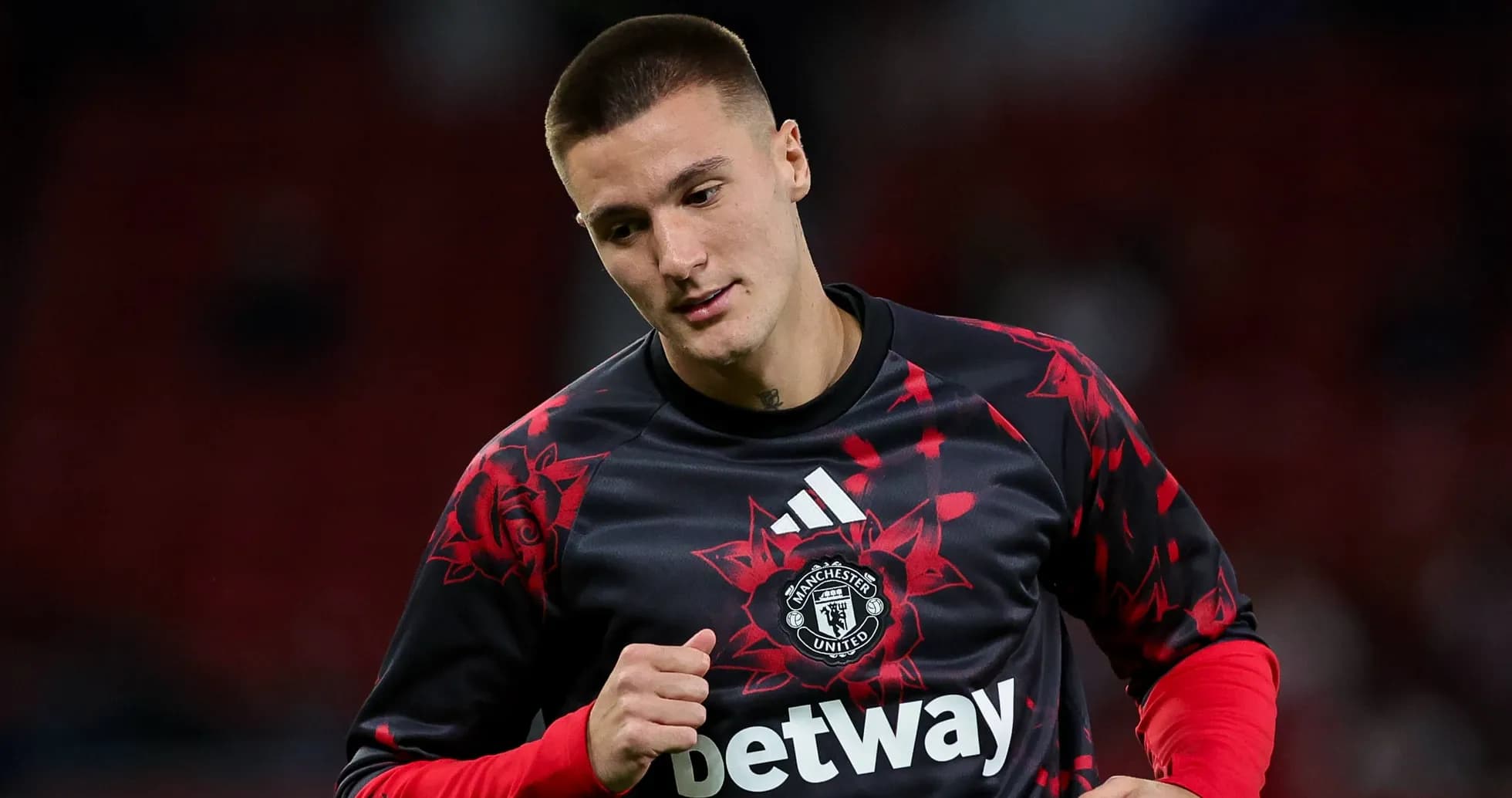
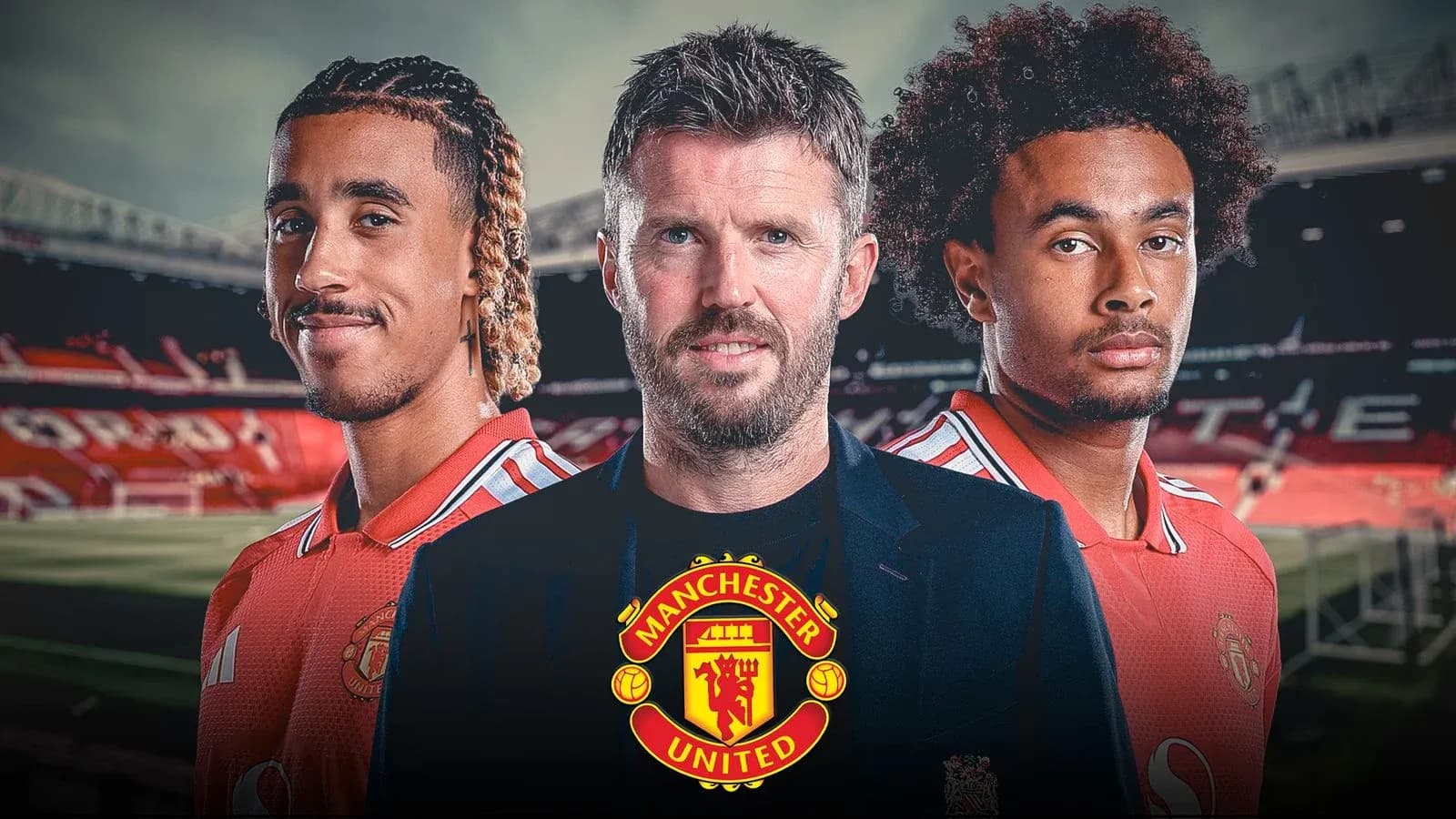
For players like Leny Yoro, Patrick Dorgu, Andrey Santos and Joshua Zirkzee, Sabah at home should be more than a routine group game. It should be a trial. A chance to prove they belong in the conversation when Carrick picks a side for City, not just when he has to manage minutes.
They will all want the derby. Every player does. But United cannot afford to stroll into their European opener. A clean, convincing win would settle nerves, steady the narrative, and buy Carrick a little breathing space before the short trip across town.
Anything else and the mood around Old Trafford darkens. Neville has already spoken about Carrick needing to earn the trust of the fans. The same applies to the squad players who have drifted on the edges of his plans.
Trust is not built in press conferences or training clips. It’s built on nights like Thursday, when rotation isn’t a luxury, it’s a necessity, and there is nowhere to hide.
Deliver, and this week becomes a platform. Fail, and it starts to feel like the season is running away before it has even begun.