Manager's Blunt Assessment of Team's Poor Performance
The verdict from the dressing room was blunt: this was a bad game, and the players were second best in every meaningful contest.
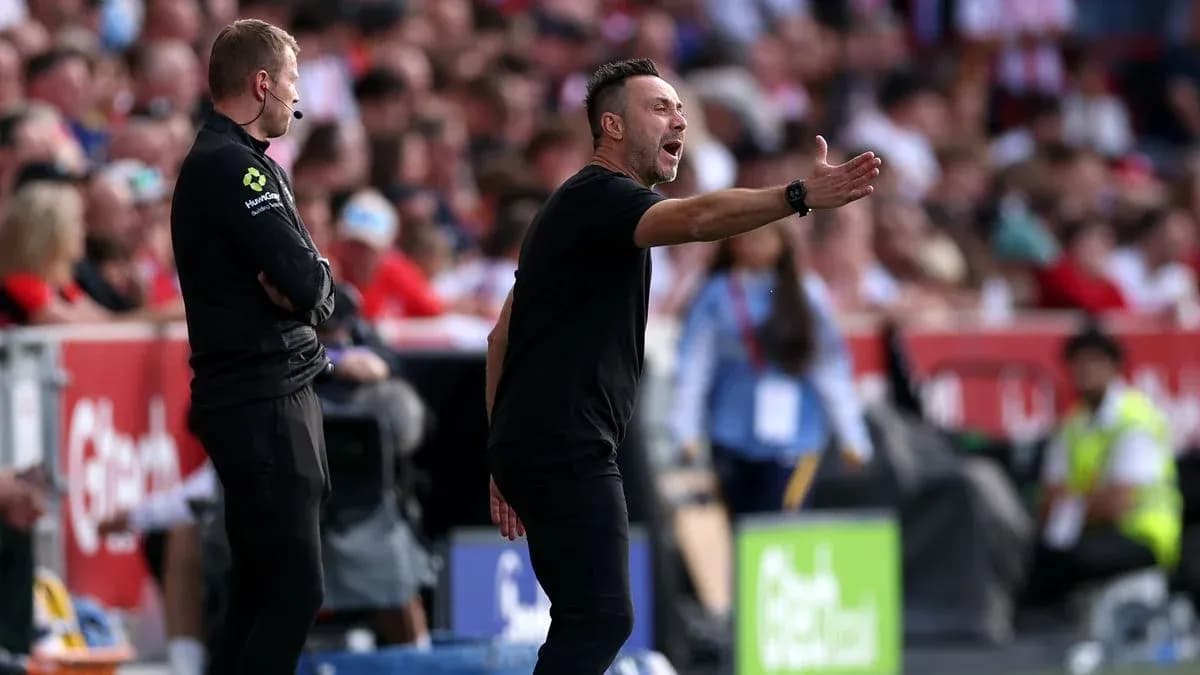
The manager cut through any temptation to dress it up. His team, he admitted, “lost and suffered the difference in the duels,” and that, in his eyes, decided everything. They didn’t fight in the right way. Brentford did – and that, he suggested, is where the home side’s true quality lies.
He pointed to a squad still coming together after the World Cup, with several players arriving late and a first XI packed with new faces. The physical condition, he said, “was not at the right level for all players.” That mattered. It showed. But he refused to let it become a shield.
“We have to analyse this game better because we can't play this way in this type of game,” he said, clearly stung by both the scoreline and the manner of the defeat. “I am surprised by the result and performance. I knew we were not in the right condition. We can't find an excuse.”
The word “sorry” surfaced more than once. Sorry for the result. Sorry for the performance. This, he stressed, is the start of a new project – and they “couldn't find the principal,” the core idea that is supposed to bind this team together.
He name-checked Marcos Senesi, Jan Paul van Hecke and Sandro Tonali as players not yet at their peak physically, an issue the staff were already aware of before kick-off. Organisation and pressing, he added, also fell short. Those are not fitness problems. Those are football problems.
The manager insists those areas can be fixed quickly, but only if the squad truly understands what went wrong here. He knows the state of their legs. He knows the challenges of integrating new signings. Even so, he wanted “something more” – more fight, more resistance, more presence in the duels Brentford dominated.
“I don't want the excuse that the first XI was not enough to compete and get a result,” he said when asked about potential new signings. The message was clear: recruitment cannot be used as a crutch. Brentford’s spirit, he argued, “has to be the right example for us.”
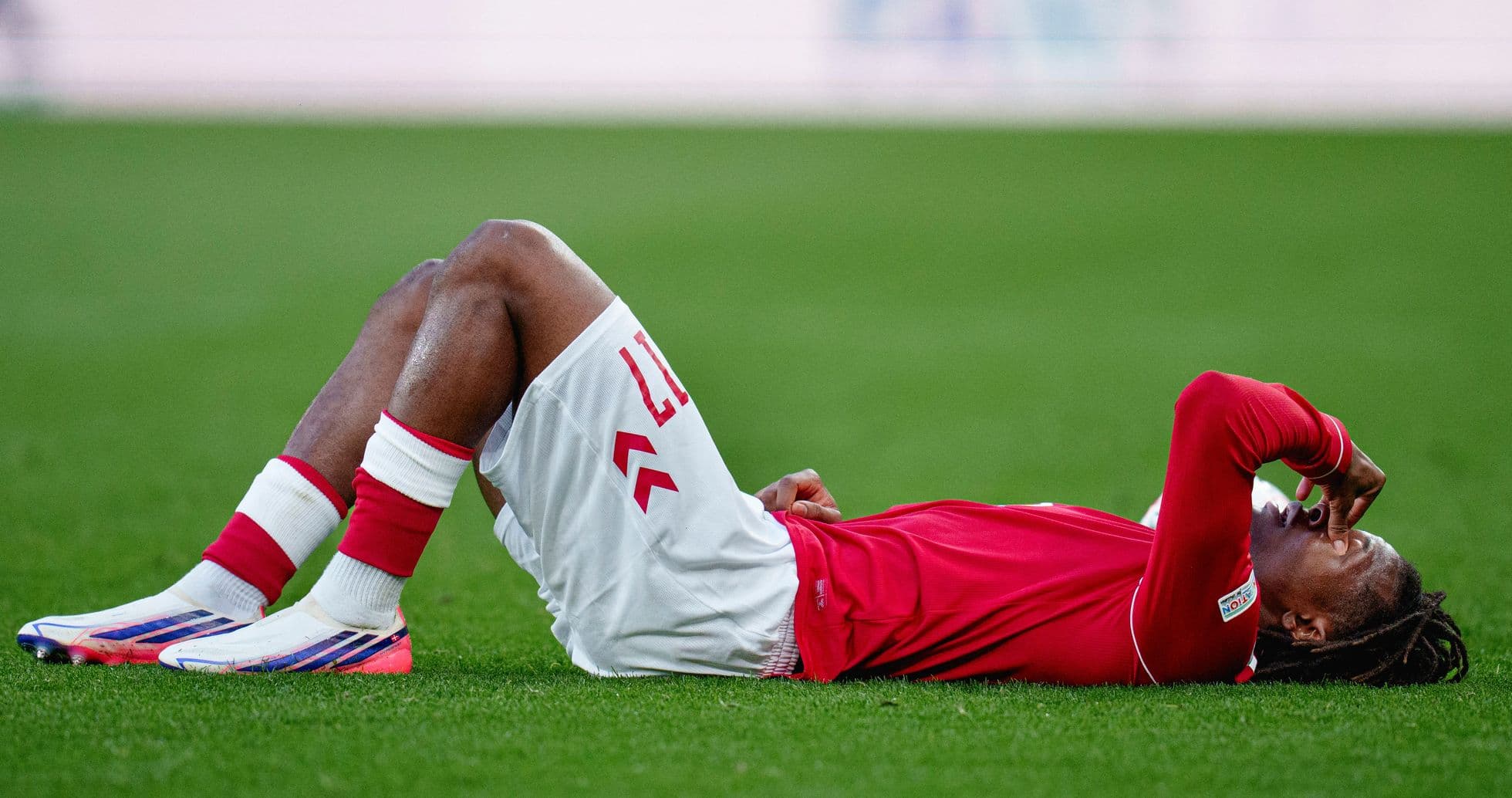
Physically, they “suffered,” and not by surprise. The staff expected a struggle on that front. The real disappointment lay in how often they arrived late to challenges and how many individual battles they lost, particularly when trying to press with youngster Mikey Moore leading the line. The timing was off. The aggression was missing.
Still, he refused to turn on his squad. “I believe in my players,” he said, even as he conceded that the first half was riddled with poor positioning and ineffective pressure. Look back at the opening 45 minutes, he suggested, and you can count the duels that swung Brentford’s way as the game tilted decisively in their favour.
“We didn't play well. We didn't fight in the right way,” he repeated, stressing it was not down to a lack of character or memory of last season’s standards. “These players are good people and with value and memory. But we lost too many duels.”
Asked whether this performance might trigger changes to the line-up in the coming weeks, he pushed back. The first XI, he insisted, “should be able to compete normally if the game went in this way.” His faith in the group remains intact. The work now, he said, is to study the game properly and “find the improvement.”
He rejected the idea of tearing up the plan. “We cannot destroy everything because we are working well,” he said, while acknowledging the obvious: not every player is at the same physical level after staggered starts to pre-season. That disparity showed.
“I don't want to make excuses but we need to keep improving,” he added. The missing ingredient, in his view, was the “right spirit to fight.” He expected more. He expected better. He did not expect this.
The soul of the team, he believes, is there. The style of play and the collective edge to turn that soul into results are not – not yet. The question now is how quickly this new-look side can close that gap before early-season lessons turn into long-term problems.