Liverpool's Ownership Shift: Bezos and the Future of FSG
Liverpool are bracing for a new kind of power at the top of their club – and it speaks the language of Wall Street.
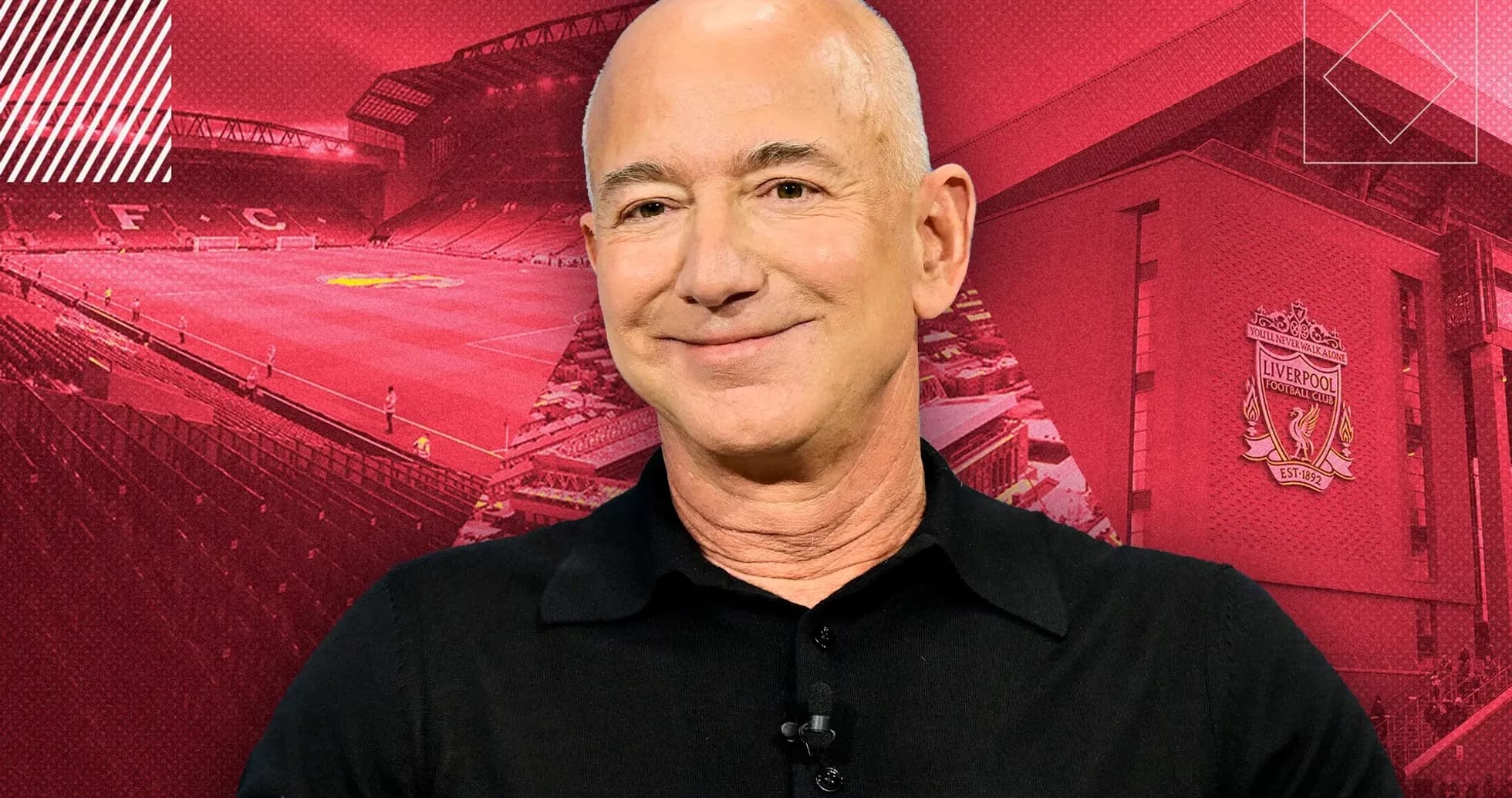
Jeff Bezos, the Amazon founder and one of the richest men on the planet, is part of a consortium closing in on a deal to buy around 30 per cent of the Reds. It would be a seismic shift in the ownership picture at Anfield, even if Fenway Sports Group (FSG) stay in control for now.
On talkSPORT Breakfast, football finance expert Stefan Borson broke down what this really means for Liverpool fans asking the obvious question: what changes?
FSG’s “bargain” transformed into a billion
Borson began by underlining just how far FSG have taken Liverpool since they arrived in 2010.
“They've done an amazing job since they bought the business. They bought it for £300m and you'll remember it was in some distress,” he said. “When they bought it they were quite close to administration. It was very serious. They got it for a bargain price.”
From there, FSG rebuilt the club on and off the pitch, turning a distressed asset into a global powerhouse. Under their watch, Liverpool have lifted two Premier League titles and a sixth European crown, while expanding Anfield and driving up commercial revenues.
From a business standpoint, Borson was blunt: “I think from a business perspective they've done pretty much everything perfectly well since then and they've reaped the rewards.
“By the way, they're in for zero because they've already sold bits of it off to other private equity co-investors. This will be a billion pounds in their pocket and I think it's a precursor to a full exit in due course.”
That’s the heart of it. A 30 per cent sale now, a potential full sale later.
Will Bezos mean a transfer war chest?
Gabby Agbonlahor voiced the concern many Liverpool supporters will have had as soon as Bezos’ name appeared in the headlines.
“And what changes now, though?” he asked. “Liverpool fans listening will say, 'Well, we've got billion-pound owners anyway; we spend a lot of money'. Will Liverpool be able to spend money now?
“The rules are still in place, aren't they? You can't spend whatever you like, so what changes with investment?”
Borson’s answer cut through the hype.
“I think that's the key summary,” he said. “They're already in this world, you know, of private equity owners and high net worths.
“And actually, probably very little changes in terms of what they can spend. I mean, we are talking about a situation where they spent, you know, 400 million quid last summer.”
So, don’t expect Bezos’ arrival to suddenly blow Financial Fair Play out of the water or trigger fantasy-football spending. The constraints remain. Liverpool already operate in the elite financial bracket; this is evolution of ownership, not a cheat code.
A club, an asset – and a culture clash
Alan Brazil urged Liverpool fans not to panic about the prospect of new money and new faces at boardroom level. Borson, though, flagged a different kind of tension.
“I think it's probably the other way,” he replied. “They probably slightly object to the sort of commercialisation of Liverpool Football Club as a global asset.
“The language that these guys are going to talk is all about assets, asset classes, all of the sort of very much Wall Street language.
“That's the sort of thing that I think Liverpool fans are going to go, 'Hang on here; we're a football club', and it's going to get away from that.
“But that's the nature of all of the top clubs now – certainly the top six, they're in the valuation parameters, sort of six times their revenue, which makes them multi-billion pound organisations.”
That’s the trade-off at the top of modern football. Liverpool’s identity as a community club, rooted in the city and its people, now sits alongside the reality of being a multi-billion-pound global corporation. Bezos and his fellow investors would only deepen that corporate sheen.
Who’s actually coming in?
Bezos is the headline name, but he is not fronting the group. The consortium is led by Amit Bhatia, son-in-law of Indian steel magnate Lakshmi Mittal. The Mittal family already holds a minority stake in Championship side QPR, so Bhatia arrives with football boardroom experience.
Also involved is Facebook co-founder Eduardo Saverin, another heavyweight from the tech and investment world.
Last month, FSG confirmed the interest publicly, saying: "An investment consortium led, managed, and represented by Amit Bhatia has expressed interest in making a strategic minority investment in Liverpool Football Club."
For now, FSG keep the keys. The new group would be minority partners. But Borson’s suggestion that this could be a “precursor to a full exit” will linger in the background of every boardroom decision from here.
New era, new boss, same expectations
All of this plays out as Liverpool prepare for the 2026/27 Premier League season under new manager Andoni Iraola. A fresh face in the dugout, a potential new power in the boardroom, and a fanbase that has grown used to competing for the biggest prizes.
The money might not suddenly explode. The ownership might not flip overnight. But with Bezos circling and FSG potentially eyeing the endgame, Liverpool are walking into a season where the battles off the pitch could shape the club’s future as much as anything that happens on it.