Newcastle United's New Era: Matthias Jaissle's Optimism
For a fanbase that once dreamed of galácticos descending on Tyneside, “I am quite optimistic” lands with all the force of a damp matchday programme.
Matthias Jaissle’s first public words as Newcastle United manager were a long way from “I think I am a special one”, the line that launched a thousand headlines and, more recently, a Netflix series. They hardly matched the “fire” and “rock star” show the club’s chief executive had trailed to the journalists waiting in the room either.
Given the summer Newcastle have just lived through, that was probably the smartest thing he said.
The Toon Army have come a long way from that wild evening when Mike Ashley finally left and Geordies poured into the streets in tin hats and tea-towel headdresses, hailing the arrival of the Saudi Arabia Public Investment Fund-backed consortium. Back then, the imagination ran riot. Lionel Messi on the pitch, Lionel Messi selling the pies, Lionel Messi cutting the grass. Anything felt possible.
Reality, inevitably, has been more complicated.
Newcastle are not yet Premier League champions. They have not conquered the Bigger Cup. Depending on your vantage point, that’s either because the “red cartel” has the authorities in its pocket or because those first nights of celebration were built on fantasy. The truth, as ever, lives somewhere in the middle.
Eddie Howe’s final season underlined that. The “here we go” signings didn’t hit the level the club needed. Some decisions backfired. But the ledger under Howe is hardly one of failure: a long-awaited trophy, two journeys on the Bigger Cup fun bus, and a team that, for a spell, looked like it could elbow its way into the elite.
The Saudi money did not, as some imagined, turn St James’ Park into a wellhead gushing black gold. A club owned by a geopolitical heavyweight soon discovered what that actually means. Those geopolitics have a habit of intruding. Gulf states have bigger fires to fight than a misfiring front line on a wet Saturday in the north-east, and the PIF portfolio stretches far beyond a club 3,000 miles from Riyadh.
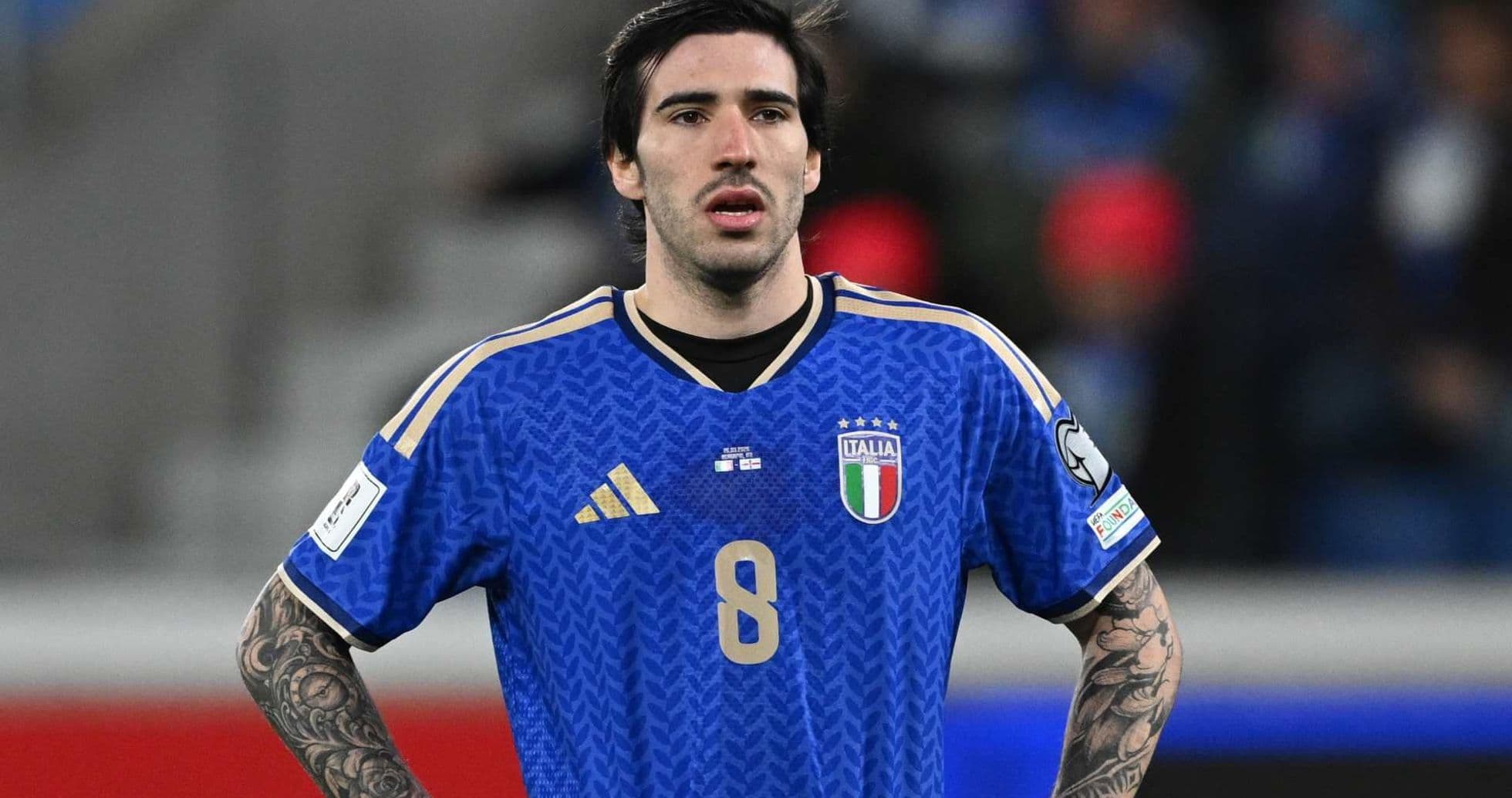
So Newcastle move into a new phase, and it bites. Anthony Gordon has gone. Sandro Tonali has gone. Bruno Guimarães has gone. Three pillars of Howe’s project, sold. For some, it’s proof the Saudis have lost interest. Then again, Jaissle has just arrived from Al-Ahli, another PIF property. The ownership may be distracted, but the strings are still being pulled.
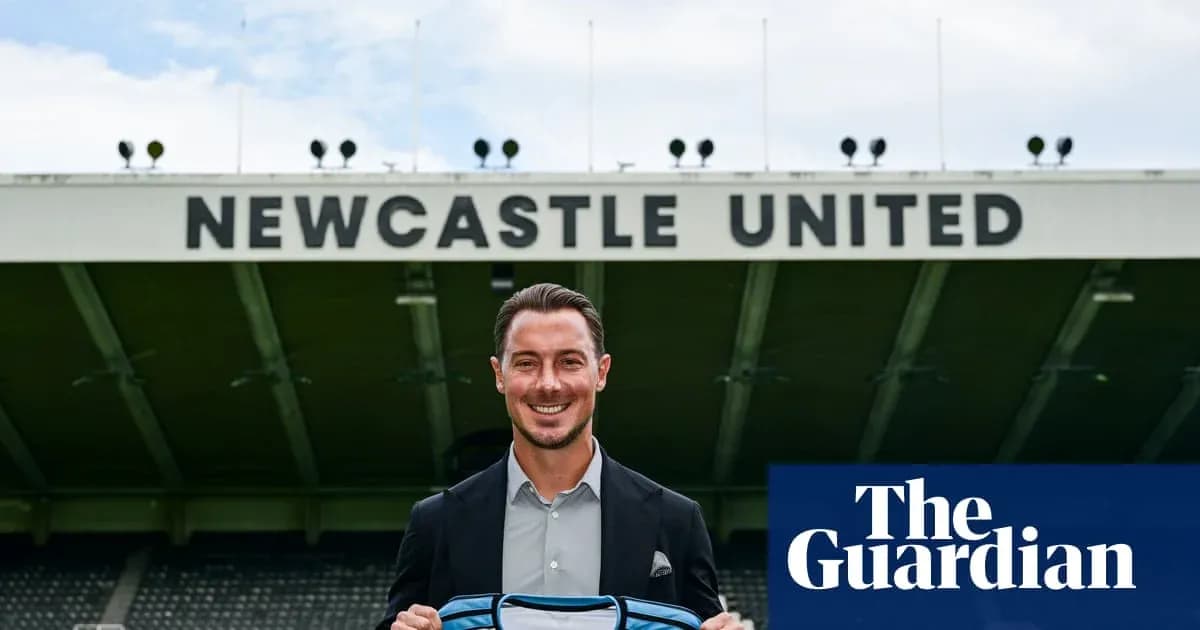
On stage, the new manager handled his unveiling with poise. Those inside the room felt he spoke well. He described his first glimpse of St James’ Park with the wide-eyed awe of a newcomer. “We were looking at each other with smiles and goosebumps,” he said of himself and his staff, recalling that first walk into the stadium.
He didn’t duck the damage done by those high-profile exits either. He talked openly about the “vacuum” left by the players flogged off. No promises of instant transformation. No chest-beating. No preview of the touchline theatrics and combustible touchpaper that some profiles had forecast.
Instead, something quieter. Something steadier.
He also worked the room in a way that has become an almost codified ritual in modern football: a handshake for each journalist before the questions began. To some, that’s a mark of respect. To others, it’s a subtle assertion of control, a way of setting the tone before the first interrogation. Either way, it landed.
The backdrop, though, is unmistakable. Howe’s exit and the departure of those big names have dragged Newcastle back into a familiar state of flux, a condition that once felt like the club’s natural resting place. Under Ashley, that uncertainty was a permanent fog. Under PIF, it was supposed to lift.
Now it swirls again.
Jaissle cuts a calm, collected figure for the moment. His optimism is measured, not messianic. That might suit a fanbase who have learned the hard way that big talk doesn’t always bring big nights.
But this is Newcastle, a club that lives on emotion and impatience as much as it does on history and noise. The questions are already hanging in the Tyneside air.
How long does that composure survive the first bad run? And how far can “quite optimistic” really take a club that still wants the world?