Liverpool's Future: 30% Sold to Amit Bhatia and Consortium
Liverpool have sold a significant slice of their future – but not their soul.
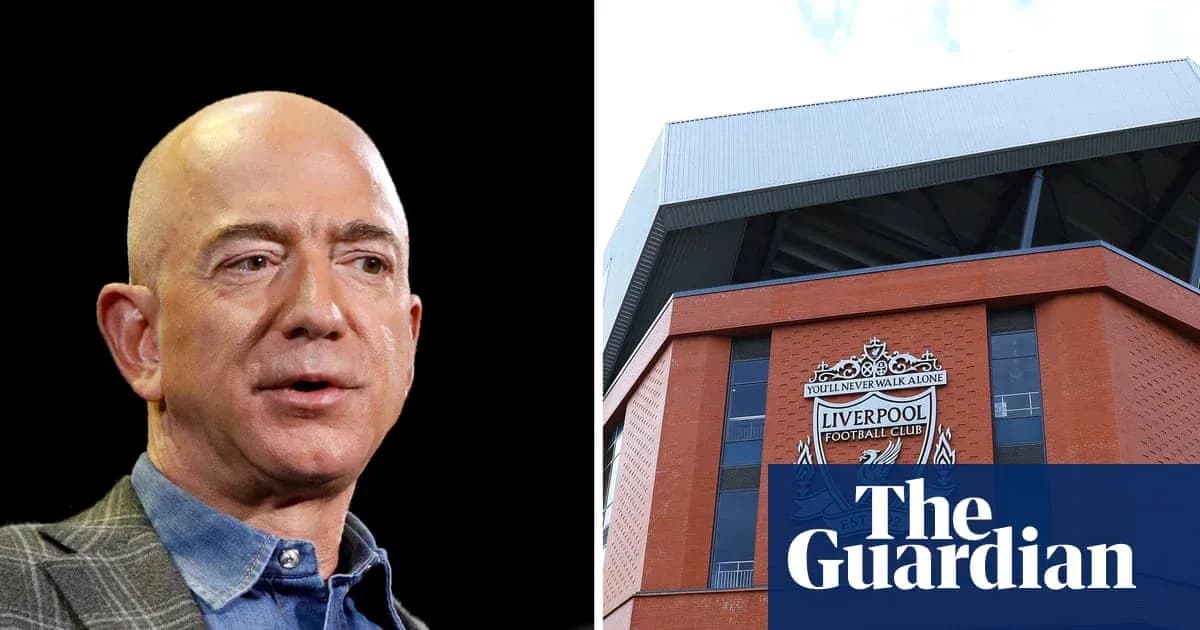
Fenway Sports Group (FSG) has agreed to sell 30% of the club to a heavyweight consortium fronted by Amit Bhatia and backed by Amazon founder Jeff Bezos and Facebook co‑founder Eduardo Saverin, in a deal worth £1.65bn. The transaction values Liverpool at a towering £5.5bn and will install Bhatia as vice-chair on an expanded board.
A new power at Anfield
Bhatia, the British-Indian businessman and son-in-law of steel tycoon Lakshmi Mittal, drove negotiations with FSG on behalf of 1892 Holdings – a nod to Liverpool’s founding year. He knows English football’s boardrooms well, having spent almost 19 years involved with Queens Park Rangers in roles ranging from club chair to chair of the community trust before exiting his shareholding in July.
This time, he arrives with serious financial muscle behind him. The Mittal Family Trust, the K5 Sports fund – where Bezos is the lead investor – and EE Capital, the family office of Elaine and Eduardo Saverin, have all bankrolled the 1892 Holdings move.
Elaine Saverin and Bryan Baum, co-founder and managing partner of K5 Global, will join Bhatia on the Liverpool board. Bezos, despite his vast wealth and profile, will remain in the background as a passive investor with no board seat.
Control stays in Boston – for now
The numbers are eye-catching. Bezos is the world’s third richest man, worth around $272bn (£201bn). Eduardo Saverin is estimated at $33bn. The Mittal family sit at about $17bn. Yet FSG insist this is not a fire sale, nor the start of a slow exit.
The Boston-based group, who bought Liverpool in 2010 for £300m after the near-collapse under Tom Hicks and George Gillett, will stay in operational control and retain their status as majority owners. There is no obligation in the deal for FSG to offload further shares to 1892 Holdings, nor for the consortium to increase its stake. What it does give Bhatia’s group is the option to buy more of the club if FSG ever decide to cash out.
For now, the message from FSG is clear: this is about partnership, not abdication.
1892 Holdings’ investment still needs regulatory approval, a process that could take up to 90 days. Until that is completed, nothing changes on the ground at Anfield. No reshuffle at the top, no shake-up in the day-to-day running of the club.
Long-term play, not transfer fireworks
Supporters looking for a sudden transfer splurge will have to park that thought. With Premier League and Uefa financial rules tying spending to revenue, the fresh cash injection does not immediately hand head coach Andoni Iraola a bigger war chest for this summer.
The play here is longer term. FSG believe the commercial clout and global networks of Bhatia, Bezos and Saverin will help Liverpool drive revenue to new levels, particularly in India and Asia – markets the club has long targeted but never fully cracked.
Mike Gordon, FSG president and now back in a more hands-on role at Liverpool after Michael Edwards’ departure as chief executive of football at FSG, underlined the ownership’s thinking.
“Liverpool has always been built by thinking beyond one season and making decisions with the club’s long-term interests in mind. That approach continues to attract interest from respected investors and business leaders around the world,” he said.
“As we considered this opportunity, it became clear that Amit and the consortium shared our long-term philosophy and appreciation for what makes Liverpool special. Their experience and perspective will complement the strong foundation already in place, and we look forward to working together.”
Liverpool’s annual revenue hit a record £703m in the year ending May 2025. With this new alliance, FSG are betting that figure can climb much higher.
Why FSG picked Bhatia
FSG insist they were not driven to the table by financial strain. What hooked them, they say, was the make-up of Bhatia’s consortium – its mix of tech wealth, investment expertise and access to emerging markets.
John W Henry, Tom Werner and Gordon have spent almost a year getting to know Bhatia. That courtship has convinced them the 1892 Holdings group can open doors in global business, technology and investment that Liverpool could not push through alone.
For Bhatia, this is more than a portfolio move. It is a step into one of the game’s most scrutinised stages.
Speaking for 1892 Holdings, he said: “We are incredibly proud to be investing in Liverpool Football Club and to be doing so alongside FSG. We have the utmost respect and admiration for FSG as owners and for everything they have achieved at Anfield.
“To be welcomed as a partner in a club of this stature is a huge privilege. We are making this investment because we believe deeply in Liverpool and its leadership, and we look forward to supporting the club’s continued success for years to come.”
Given his track record at QPR and his new role as vice-chair, Bhatia is expected to be a visible figure at Anfield, far more so than his fellow investors or FSG’s Boston-based hierarchy.
The money is vast, the names are global, the structure is clear. Liverpool, already one of football’s modern superclubs, have just tied themselves to some of the biggest players in world business. The next question is simple: how far can that alliance push them?