Lazio vs AC Milan: Tactical Battle in Serie A Draw
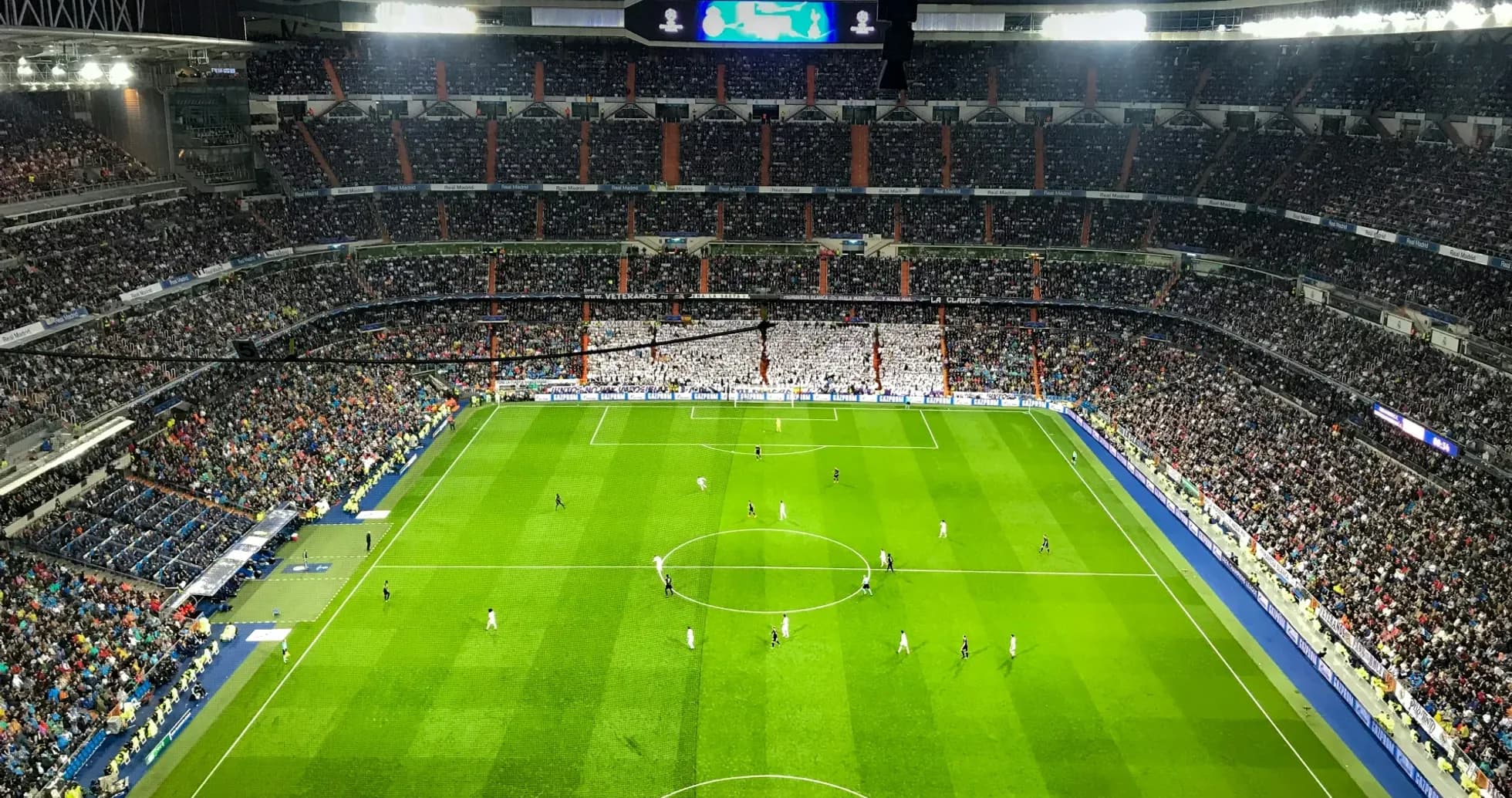
The Stadio Olimpico had the feel of a statement afternoon: fourth against sixth, two unbeaten sides, and a 4th-round Serie A fixture that quickly turned into a tactical chess match. Lazio, under Gennaro Gattuso, arrived with a clear identity already forged this season: a 4-3-3 that has produced 6 goals in total across 4 league games, with a balanced return of 3 at home and 3 on their travels. AC Milan, guided by Ruben Amorim, brought their own defined structure, a 3-4-2-1 that has yielded 7 goals in total and a similarly clean league record with 2 wins and 2 draws.
Following this 2–2 draw, the table tells us these are genuine top-four contenders. Lazio sit 4th with 10 points and a goal difference of +3 (6 scored, 3 conceded), while Milan are 6th on 8 points, also with a goal difference of +3 (7 scored, 4 conceded). The numbers underline what the pitch confirmed: these are sides that rarely lose control of a game, even when the scoreline swings wildly as it did here.
I. The Big Picture – Systems and Seasonal DNA
Gattuso stayed loyal to the 4-3-3 that has defined Lazio’s early-season run. C. Mandas in goal was shielded by a back four of R. Floriani, J. Sutalo, O. Provstgaard, and N. Tavares. In front of them, the midfield trio of D. Frattesi, R. Belahyane, and K. Taylor gave Lazio a blend of legs, vertical running, and passing security. Up front, M. Cancellieri and M. Zaccagni flanked T. Noslin in a fluid front three.
This shape mirrors Lazio’s statistical profile. Heading into this game they had won 3 of 4, scoring 1.5 goals on average at home and 1.5 on their travels, while conceding 1.0 at home and 0.5 away. They had yet to lose, had 2 clean sheets overall, and had failed to score in none of their matches. The 4-3-3 is not just a formation; it is the framework for a side that presses with intensity, attacks in waves, and trusts its midfield to carry the game.
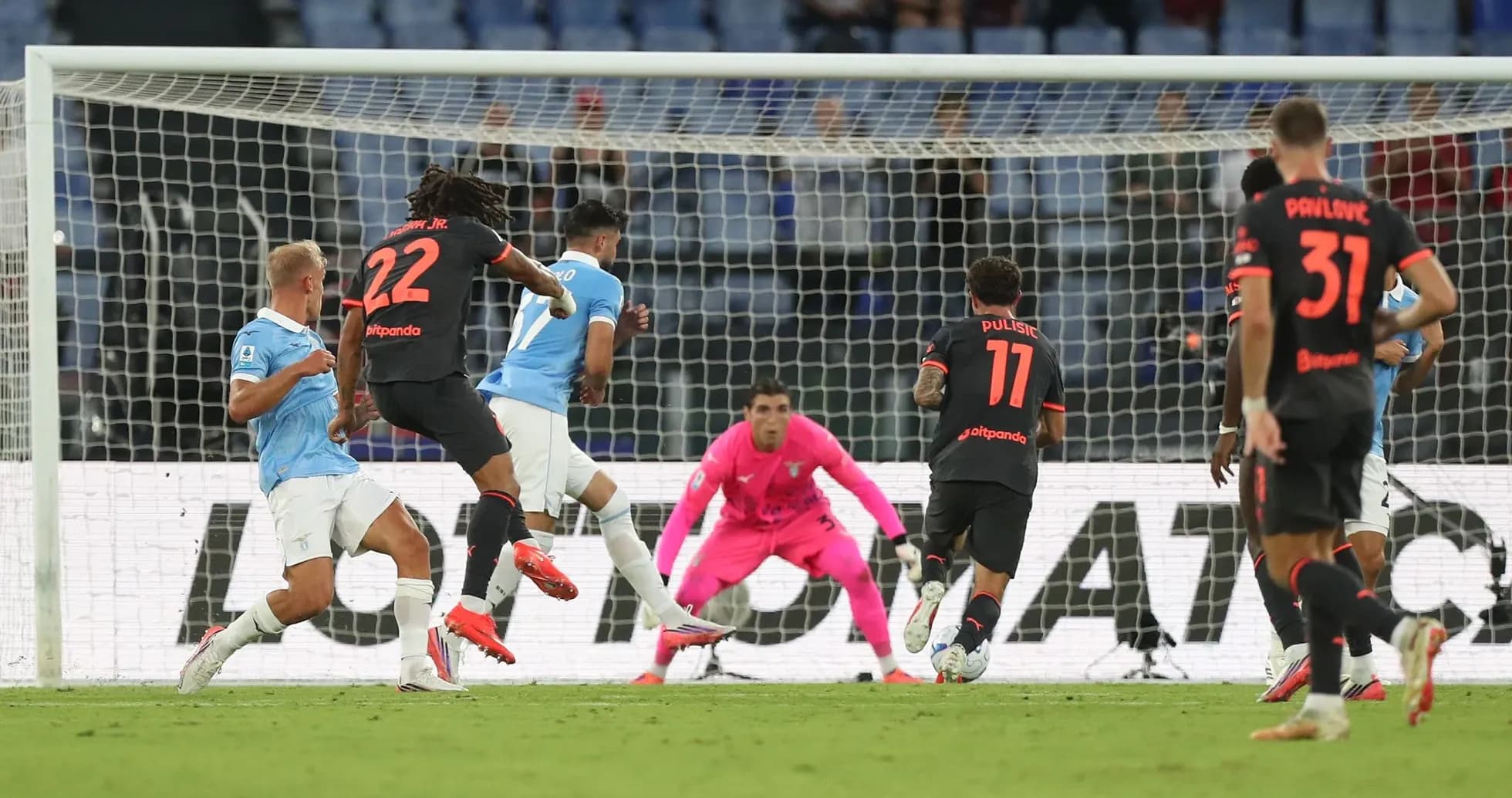
Milan’s 3-4-2-1, by contrast, is about control and vertical threat. M. Maignan started behind a back three of M. Gila, K. De Winter, and S. Pavlovic. The wing roles fell to S. Chukwueze on the right and P. Estupinan on the left, with A. Rabiot and L. Modric forming a high-class central pivot. Ahead of them, R. Loftus-Cheek and A. Cisse supported lone striker G. Ramos.
The structure reflects Milan’s statistical balance. Heading into this fixture they had scored 2.0 goals at home and 1.7 on their travels, while conceding 0.0 at home and 1.3 away. They had not lost in 4, had kept 1 clean sheet, and had failed to score in none of their games. Amorim’s side is built to manage phases: sit in a compact 5-4-1 without the ball, then explode into a 3-2-5 in possession through the wing-backs and twin attacking midfielders.
II. Tactical Voids – Absences and Discipline
Lazio came into the match with a long injury list that shaped their defensive options. F. Dele-Bashiru (muscle injury), D. Doekhi (hand), A. Furlanetto (knee), A. Marusic (muscle), Patric (ankle), L. Pellegrini, and N. Rovella were all ruled out. The absences of Marusic and Patric, in particular, pushed Gattuso toward a younger, more experimental back line with Floriani and Provstgaard starting.
This had knock-on effects. Without their more experienced defensive options, Lazio leaned even more heavily on the collective pressing of their midfield and the tracking work of Zaccagni and Cancellieri. The yellow card distribution heading into this game showed a side that often plays on the edge in the middle phases: 25.00% of their yellows between 16–30 minutes, another 25.00% between 31–45, and a late-game surge of 25.00% between 91–105. The pattern fits a team that presses aggressively early, then has to make recovery fouls when legs tire.
Milan, by contrast, arrived relatively intact and with a more even disciplinary profile. Their yellow cards were concentrated entirely after the break: 25.00% in each of the 46–60, 61–75, 76–90, and 91–105-minute windows. It paints a picture of a side that starts cautiously, then raises the intensity – and risk – as the match opens up.
III. Key Matchups – Hunter vs Shield, Engine Room Battles
The headline duel was always going to be between Lazio’s emerging scorer and Milan’s defensive block. D. Frattesi, with 3 goals in total from midfield and an impressive rating of 7.55, arrived as one of Serie A’s early-season revelations. His 6 tackles, 3 successful blocks, and 4 interceptions in the league underline that he is not just a late-arriving runner but a complete two-way presence.
Against him stood Milan’s back three, anchored by S. Pavlovic. Pavlovic’s league numbers are outstanding: 12 tackles, 1 blocked shot, 1 interception, and 40 duels contested with 29 won, plus 2 yellow cards that show his readiness to step into danger. His job was to step out aggressively when Frattesi burst beyond Belahyane and Taylor, while Gila and De Winter managed Noslin’s movement.
On the flanks, the confrontation between M. Zaccagni and S. Chukwueze was a micro-battle within the larger war. Zaccagni, with 2 assists, 10 shots (6 on target), and 8 interceptions in total, is Lazio’s creative hub and pressing trigger. His 2 yellow cards this season mark him as a combative presence out of possession. Chukwueze, meanwhile, arrived with 2 assists, 10 key passes, and 6 successful dribbles from 9 attempts, a constant outlet down Milan’s right. Whenever Lazio’s left-back N. Tavares pushed high, Chukwueze had grass to attack behind him; whenever Zaccagni drifted inside, Tavares had to choose between doubling on the winger or holding the line.
In the engine room, L. Modric and A. Rabiot formed Milan’s cerebral core. Rabiot, with 2 assists and 133 passes at 84% accuracy, is the metronome that knits Amorim’s transitions together. His duel with Frattesi and Belahyane was about territory: could he receive facing forward, or would he be forced into safer sideways passes? Modric’s role was to dictate tempo and find early diagonals into Chukwueze and Estupinan, testing Lazio’s reshuffled back line.
IV. Statistical Prognosis – What the Numbers Say About the Draw
This 2–2 result fits the underlying profiles almost perfectly. Lazio’s total scoring rate of 1.5 goals per game and Milan’s total average of 1.8 suggested a multi-goal contest; their total goals against figures of 0.8 for Lazio and 1.0 for Milan pointed to neither side keeping a clean sheet. Both teams had yet to lose in the league, and both extended that run.
From a tactical perspective, Lazio’s early-season habit of fast starts and mid-half bookings aligned with the narrative of them racing into a 2–0 half-time lead, then fading as Milan’s more controlled, late-game intensity took over. Milan’s pattern of second-half yellows and away average of 1.7 goals on their travels hinted at a side that grows into matches and is always capable of clawing back deficits.
There were no penalties to tilt the balance – both teams still have 0 total penalties taken this season, with no goals and no misses – so the game was decided entirely in open play and structured attacks. The absence of any red-card tendencies in the seasonal data also matched a contest that, while intense, remained within disciplinary bounds.
In the broader arc of the season, Lazio leave the Olimpico knowing their 4-3-3 can cut open even elite defences, but that a makeshift back line will be tested until the injury list shortens. Milan, for their part, will see this as proof that Amorim’s 3-4-2-1 has the resilience and attacking layers to survive hostile away environments. Two points dropped or one gained? Statistically and tactically, it felt like the fairest possible equilibrium between two sides built for the long race.