Kobbie Mainoo's World Cup Journey: A Tale of Missed Opportunities
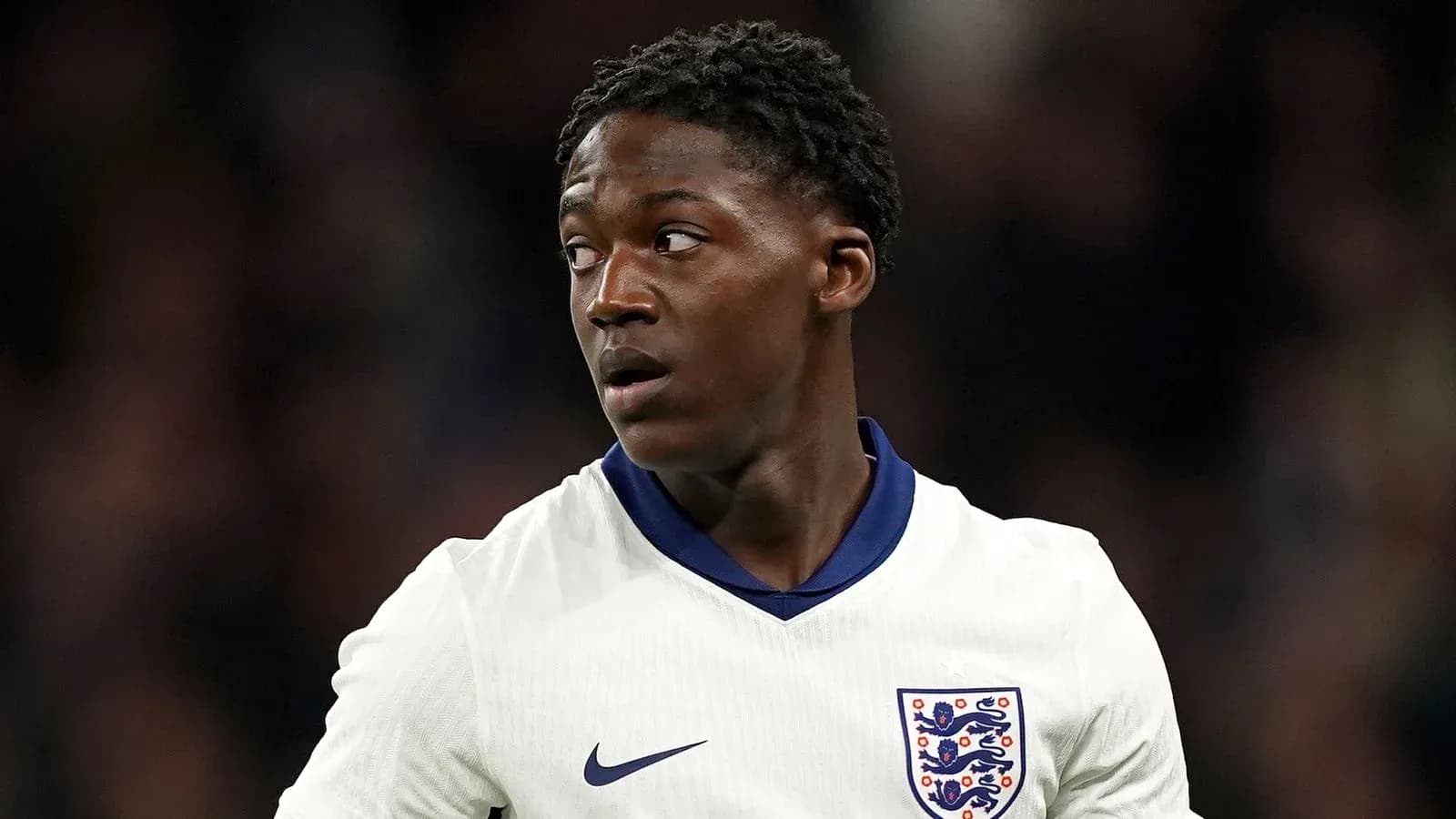
Kobbie Mainoo cuts a lonely figure at this World Cup.
Not angry. Not sulking. Just… spare.
He is one of only three outfield players in the England squad yet to play a single minute. Ivan Toney and Trevoh Chalobah are the others, and their situations at least come with a clear explanation.
Chalobah arrived late, drafted in when Tino Livramento pulled out injured. He knew the deal from day one: emergency cover. John Stones has been the first-choice defensive option on the bench, and the Chelsea man has waited quietly behind him.
Toney’s role has been even more clearly defined. Thomas Tuchel told him he is a “finisher”, the man to turn to only if Harry Kane breaks down or if a penalty shoot-out demands his nerveless routine from 12 yards. Kane has stayed fit, scored six, and England have not needed spot-kicks. Toney understands his place in the pecking order.
Mainoo’s story feels different.
Every match, after every final whistle, the Manchester United midfielder is the first out of the dressing room, the first onto the team bus. Always alone. No arm slung around a team-mate, no huddled debrief with friends. Just a teenager drifting through the mixed zone, looking like he’s trying to make sense of a tournament that seems to be passing him by.
Eighteen years old when he started the Euro 2024 final, he had every right to believe he was stepping into a long, glittering England career. The stage felt built for him. The World Cup in the USA and Mexico looked like the natural next chapter.
Instead, he has not kicked a ball.
That absence jars even more when you look at England’s midfield picture. Jordan Henderson’s tournament ended the moment he broke his wrist celebrating the win over Mexico. A senior option gone in an instant. A gap opened. It has stayed stubbornly closed to Mainoo.
Declan Rice and Elliot Anderson have nailed down the two central roles and have dominated games. Anderson, whose move to Manchester City went through mid-tournament, has ridden that surge of confidence and produced his best display in the quarter-final against Norway. Rice, vice-captain and a fixed point in Tuchel’s thinking, has dragged himself through illness and niggles to keep starting.
Until Norway
Laid low by a Mexican stomach bug, Rice spent three days in bed before the quarter-final and could only manage 45 minutes in the Miami heat. If ever there was a moment for Mainoo, this felt like it.
Tuchel thought differently.
He turned to Eberechi Eze at half-time, asking the Arsenal man to tilt the game in England’s favour with more attacking thrust, more progressive passing, more incision between the lines. Eze is not a like-for-like replacement for Rice, but Tuchel gambled on reshaping the midfield rather than introducing a more orthodox option.
Mainoo, watching from the bench, must have felt the opportunity slipping. His energy, his ability to knit play together, seemed tailor-made for a second half in suffocating conditions, when legs were heavy and minds were tiring.
Then came another twist. Midway through the second half, Reece James stepped into midfield, despite nursing a hamstring problem. Tuchel trusts him as a defensive midfield presence, just as Chelsea managers have often used him in that hybrid role, even though his official label in this England squad is right-back.
Soon after, the door appeared to swing open again. Ezri Konsa, filling in at right-back, cramped up and had to come off. James shuffled back into defence. A midfield slot beckoned. Mainoo surely thought this was it.
It wasn’t.
Morgan Rogers came on instead, slotting into midfield and pushing Eze out to the left. Another reshuffle. Another decision that bypassed the teenager who once looked like the future of England’s engine room.
Harsh? On a personal level, absolutely. From Tuchel’s point of view, the logic holds. He leaned on players he already trusts in big-game scenarios, men whose versatility he has tested before. James offers defensive assurance. Eze offers attacking flair. Rogers, too, has earned his manager’s faith.
That is the brutal truth of tournament football. Talent alone does not guarantee minutes. Timing, trust, and tactical preference often decide who watches and who plays.
Mainoo remains one of England’s brightest young prospects. That has not changed. But as Tuchel chases the biggest prize of all, the teenager finds himself learning an early, unforgiving lesson about life at the very top: sometimes, even when the path seems to open right in front of you, the manager turns in another direction.