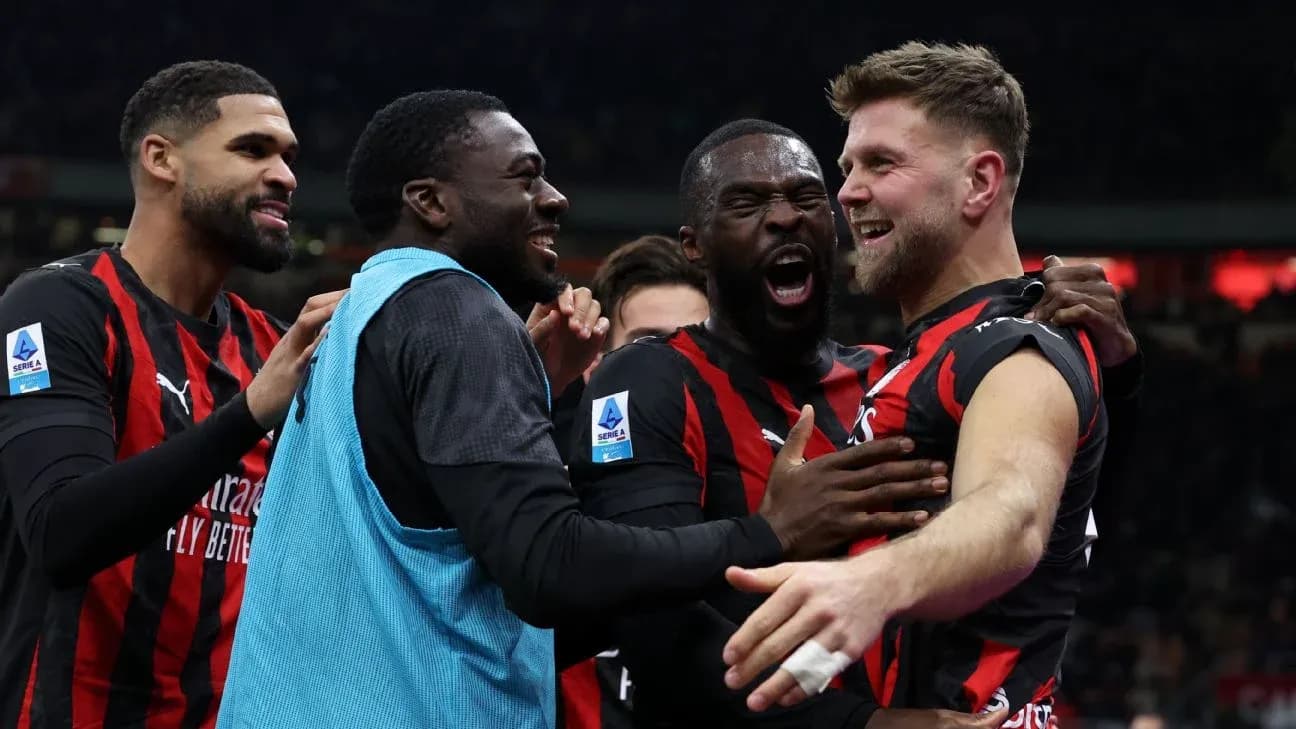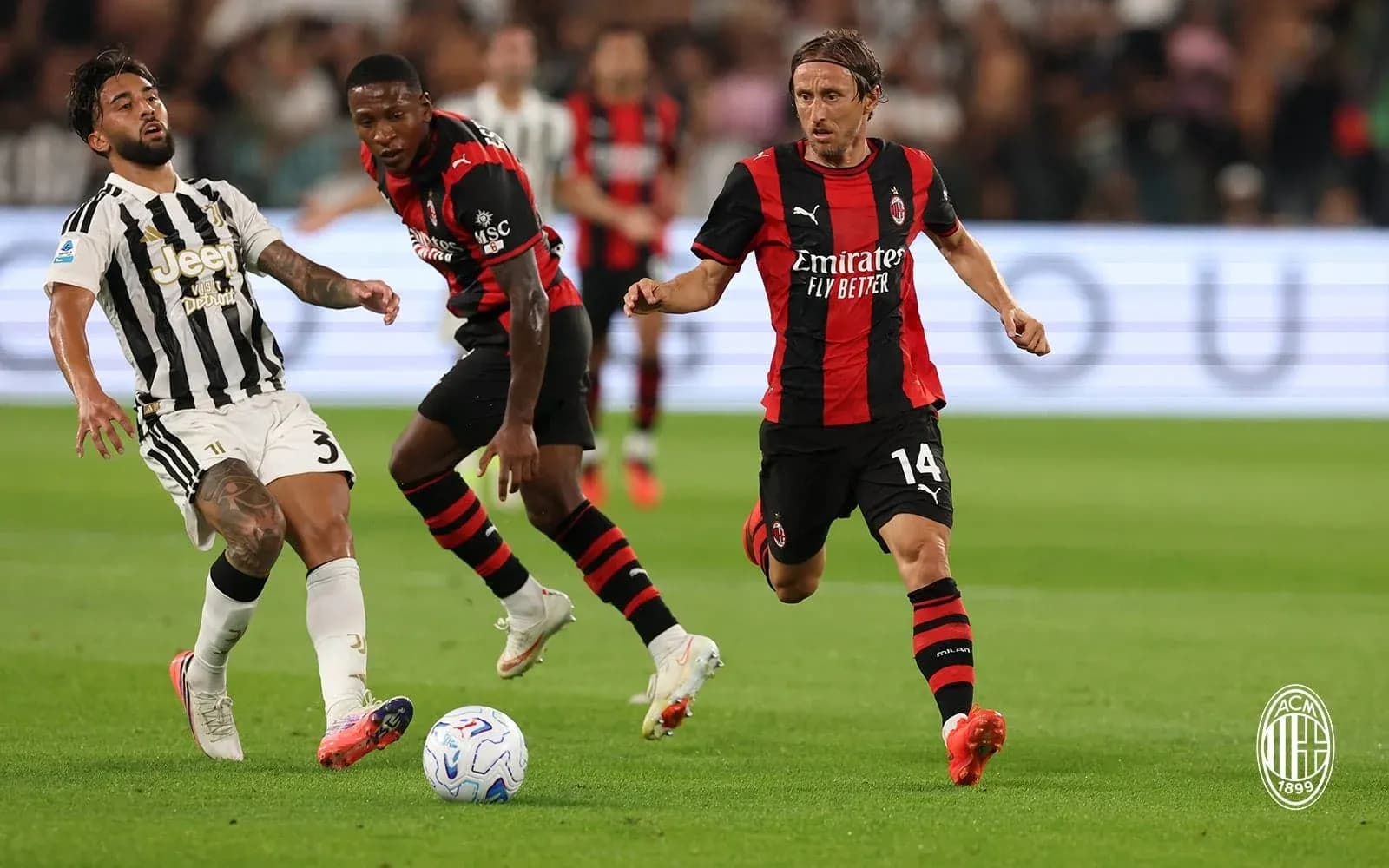
Juventus and AC Milan Battle to 1–1 Draw in Serie A
Under the Turin lights at Allianz Stadium, Juventus and AC Milan closed out a tense Serie A night locked at 1–1, a scoreline that felt less like a stalemate and more like an opening chapter in a season-long duel. Following this result in Regular Season - 3, Milan stay just ahead in the early table race in 5th, with Juventus immediately behind in 6th, both on 7 points and both carrying an overall goal difference of 3. The margins between them are already razor-thin.
Overall this campaign, Juventus have built their start on control and parsimony: 2 wins and 1 draw in 3 matches, with 4 goals scored and only 1 conceded. At home, they have taken 4 points from 2 games, scoring 3 and conceding 1. Milan mirror that solidity with their own 2 wins and 1 draw from 3, 5 goals scored and 2 conceded overall; on their travels they have 1 win and 1 draw, with 3 goals scored and 2 against. The 1–1 in Turin therefore reads as a meeting of two sides whose seasonal DNA is converging: compact, efficient, and difficult to beat.
Juventus Formation
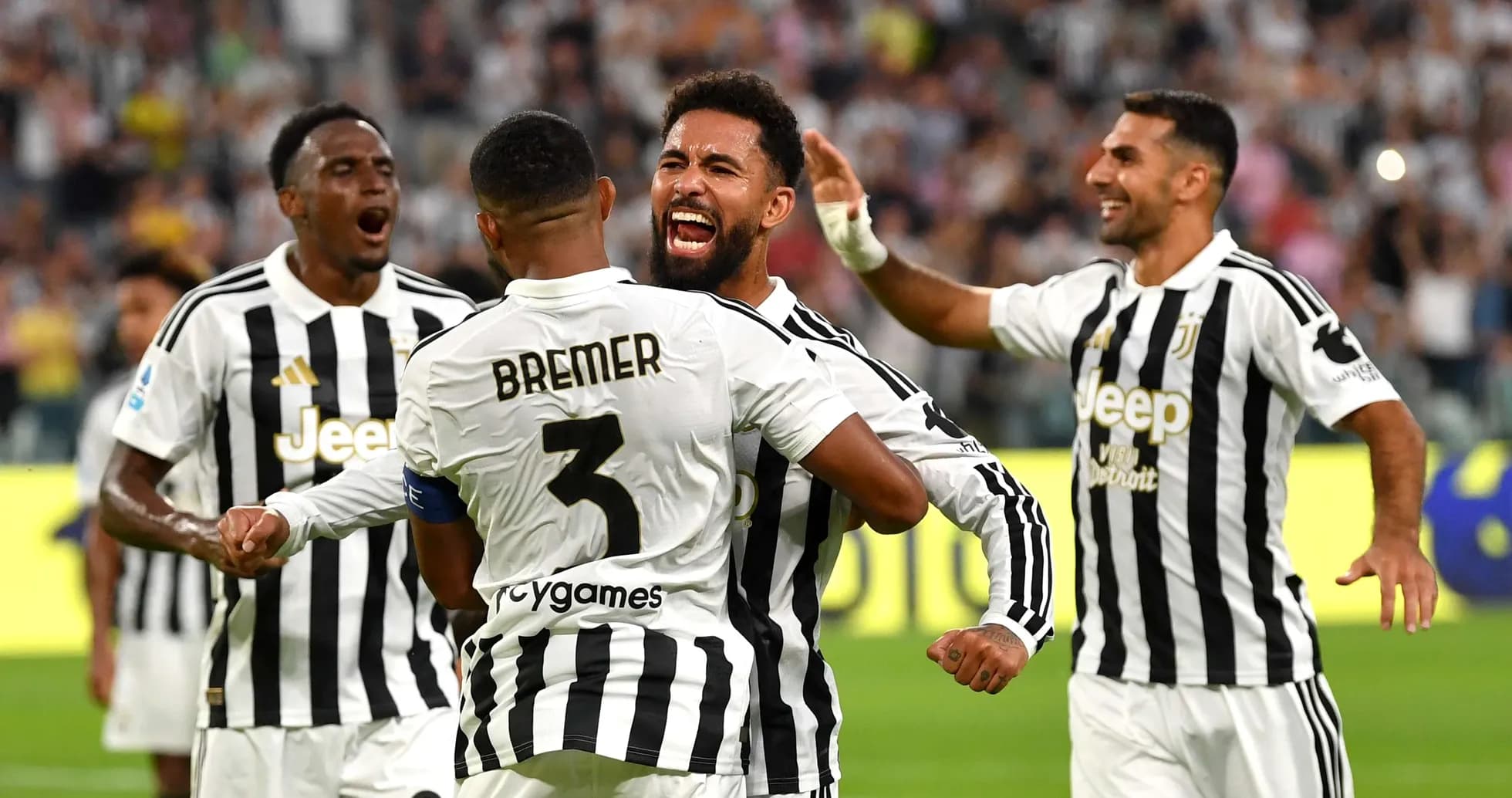
Luciano Spalletti’s Juventus lined up in a 4-2-3-1 that told a story of both necessity and intent. A long absentee list – J. Cabal (thigh injury), A. Cambiaso (ankle), J. Ekhator (muscle), W. McKennie (muscle), A. Milik (inactive), P. M. Sarr (muscle), K. Thuram (knee) and K. Yildiz (foot) – stripped away depth in every line. It forced clarity. Guglielmo Vicario started behind a back four of Zeki Celik, Jhon Lucumi, Bremer and P. Kalulu: a blend of aggression and mobility designed to squeeze space rather than merely defend it.
In midfield, M. Locatelli and Douglas Luiz formed a double pivot that was more about orchestration than brute force. Ahead of them, the trio of K. Alajbegovic, N. Gonzalez and F. Conceicao supported R. Kolo Muani as the lone forward. With no classic target man from the missing list available, Spalletti leaned into fluidity between the lines, trusting Kolo Muani’s movement to stretch Milan’s back three.
Milan Formation
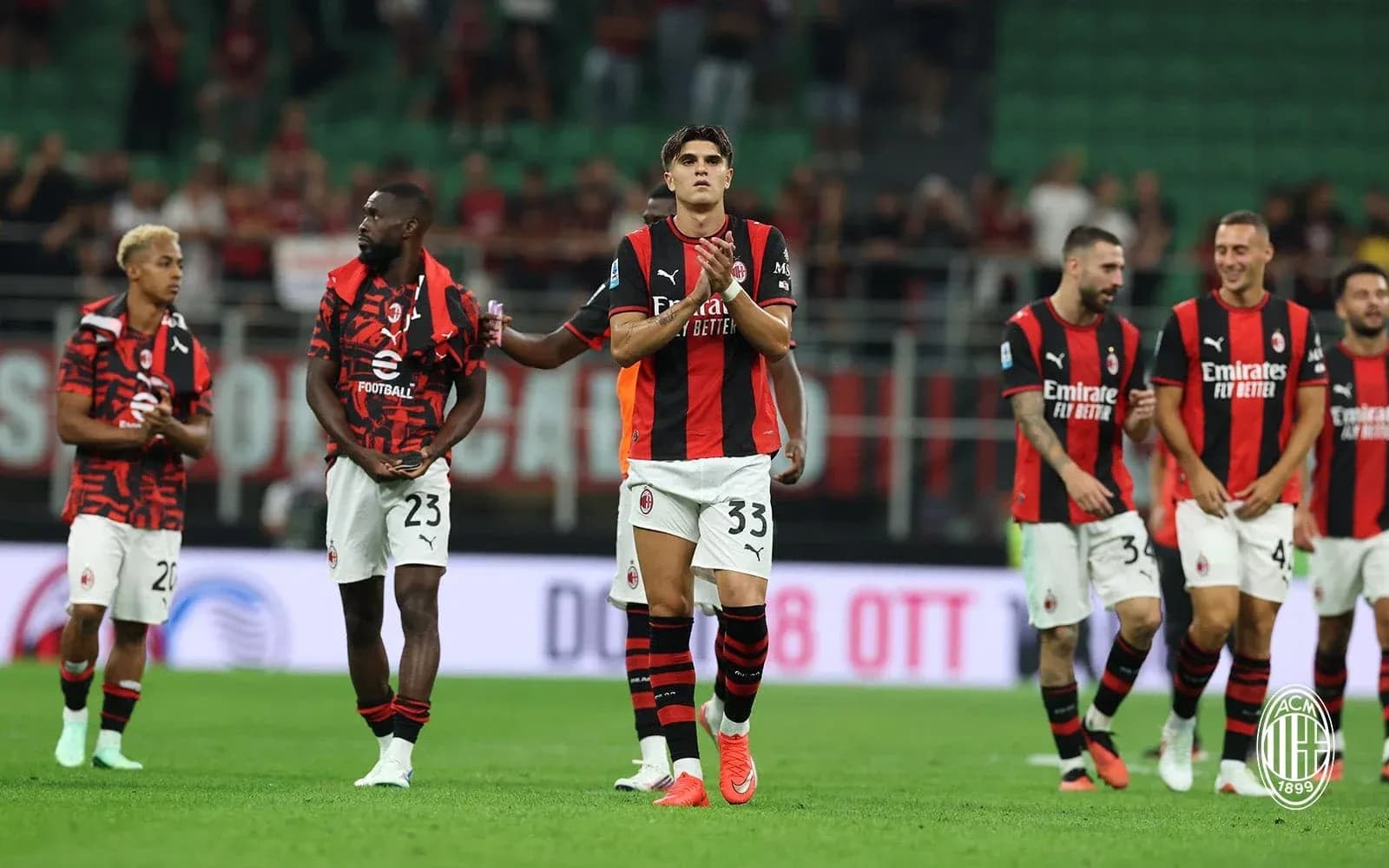
Ruben Amorim responded with his trademark 3-4-2-1, a structure that has already been used in all 3 of Milan’s league games this season. Mike Maignan anchored a back three of S. Pavlovic, K. De Winter and M. Gila, a unit built to defend high and wide rather than sit deep. Across midfield, P. Estupinan and D. Moreira operated as wing-backs, flanking the central pair of Luka Modric and Y. Musah. Ahead of them, A. Rabiot and A. Saelemaekers worked as dual attacking midfielders behind G. Ramos.
The tactical voids for Milan were fewer, but not irrelevant. M. Gabbia’s absence with an ankle injury reduced their centre-back rotation, making the choice of Pavlovic, De Winter and Gila almost obligatory. It also meant that any in-game reshaping of the back line would have to come from the bench through less experienced or less integrated options such as D. Bartesaghi or S. Diawara, rather than a like-for-like senior replacement.
Bench Impact
For Juventus, the missing names reshaped the bench and the match plan. Without McKennie’s vertical running, Milik’s penalty-box presence, and Thuram’s athleticism, Spalletti leaned more heavily on technical profiles. Teun Koopmeiners, listed among the league’s early contributors for both goals and assists, was kept in reserve, a tactical card to change rhythm rather than a starting metronome. The bench also carried attacking alternatives like J. Boga, E. Zhegrova and N. Woltemade, but none offered Milik’s pure reference-point play. That absence nudged Juventus towards a more collective, less direct attacking approach.
Attacking Strategies
The “Hunter vs Shield” narrative was layered rather than singular. On Milan’s side, Alphadjo Cissé – already with 2 goals in the league – started on the bench but loomed over the contest as the pure finisher in Amorim’s armoury. His movement between the lines and penalty-box instincts are tailored to exploit disorganisation, especially late in games. Juventus, who overall concede only 0.3 goals per match and at home just 0.5, were determined not to let the game become stretched enough for Cissé to thrive. Bremer and Lucumi’s positioning was consistently conservative, wary of leaving space in behind for any of Milan’s forwards.
For Juventus, the attacking “hunter” was more collective. Kolo Muani’s running, Gonzalez’s diagonal drifts and Conceicao’s one‑v‑one threat were aimed at unpicking a Milan side that overall concede 0.7 goals per game, but away from home allow 1.0. The flanks were the key battleground: Celik and Kalulu were encouraged to step high, trying to pin back Estupinan and Moreira, preventing Milan’s wing-backs from creating overloads in wide areas.
Midfield Battles
In the “Engine Room”, few duels were as compelling as Locatelli and Douglas Luiz against Modric and Musah. Modric, even in the autumn of his career, remains Milan’s tempo regulator, while Musah provides the legs and pressure. Juventus needed Locatelli’s passing range to break Milan’s first press and Douglas Luiz’s positional discipline to track the half-space movements of Rabiot and Saelemaekers. Rabiot’s early-season numbers – 1 goal and 1 assist overall – underlined his status as Milan’s late-arriving threat; Juventus’ pivots often had to choose between stepping to Modric and screening Rabiot’s runs.
Discipline and Tension
Discipline added another layer of tension. Heading into this game, Juventus’ yellow cards were spread across the match, with a notable 40.00% of bookings coming between 46–60 minutes – a vulnerable window just after half-time when intensity spikes and tactical fouls multiply. Milan, meanwhile, carried a reputation for late volatility: 40.00% of their yellows arrived between 91–105 minutes, suggesting a side that pushes the limits in closing stages. Ruben Loftus-Cheek and Cissé both entered the night already on 1 yellow card overall, and Loftus-Cheek also featured among the league’s red-card leaders, a reminder that Milan’s aggression can tip into risk.
Statistical Overview
Statistically, both teams arrived with attacking profiles that justified the eventual draw. Overall, Juventus averaged 1.3 goals scored and 0.3 conceded per match, Milan 1.7 scored and 0.7 conceded. On their travels, Milan’s 1.5 goals scored and 1.0 conceded per game hinted at an away side willing to trade chances; at home, Juventus’ 1.5 scored and 0.5 conceded suggested a host that usually bends, not breaks. A 1–1 outcome sits almost exactly at the intersection of those tendencies.
The final verdict from this tactical and statistical lens is that the 1–1 was less a missed opportunity and more a confirmation of equilibrium. Juventus showed that even shorn of key names, their 4-2-3-1 structure and defensive platform can contain one of the league’s most fluid attacks. Milan demonstrated that their 3-4-2-1 travels well, that their creative core of Modric, Rabiot and Saelemaekers can find solutions even against an elite defensive block.
Over a long campaign, the finer margins – a Koopmeiners cameo, a Cissé substitution, a late Loftus-Cheek surge – will decide who edges ahead. For now, the Allianz Stadium draw stands as a carefully balanced statement: two contenders, one point each, and a promise that the reverse fixture will carry even higher stakes.