James Maddison's Journey: From Injury to Family Chaos
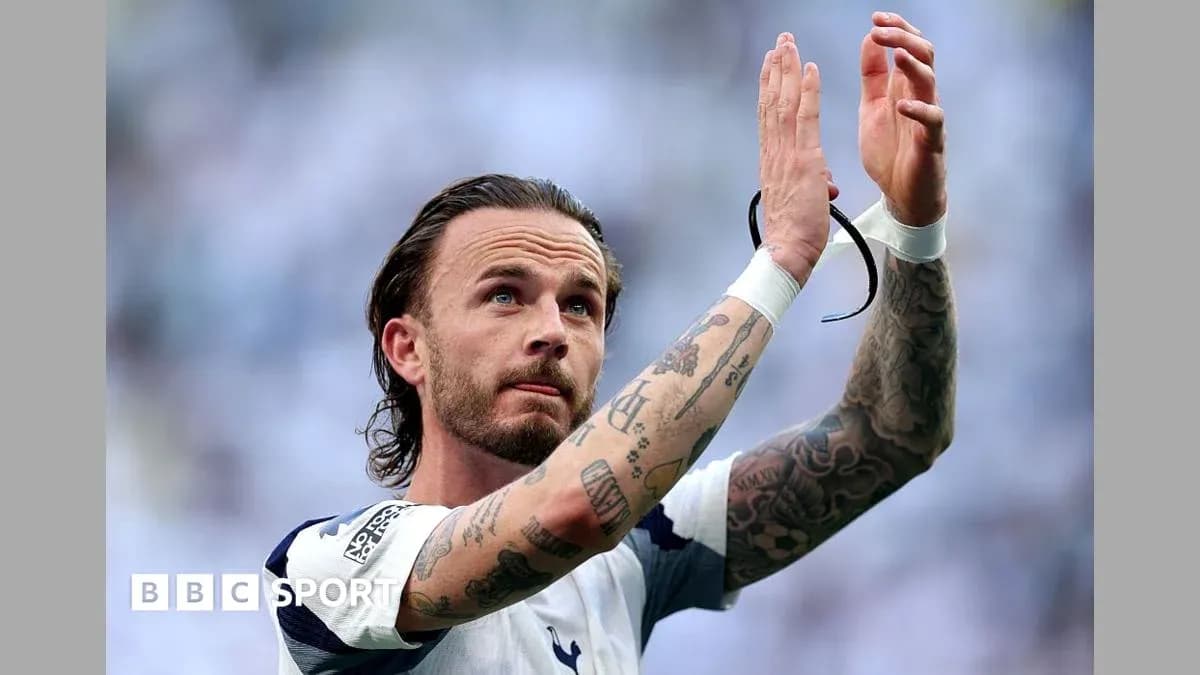
James Maddison sits down, smiles and shrugs: “We’ve been in the trenches.”
The Tottenham midfielder is not talking about a relegation scrap, or another bruising afternoon in the Premier League. He means home. Five children aged four and under. Two sets of twins. A serious knee injury. A year of his career ripped away.
That story, and the rest of his turbulent season, opens the new series of The Football Interview, which returns to BBC One at 12:45 every Saturday during the Premier League campaign, and is also available on BBC iPlayer, BBC Football’s YouTube channel and the BBC Sport website and app. Kelly Somers’ first guest of the new season is a 29-year-old who has lived a lifetime in 12 months.
A year lost – and a family gained
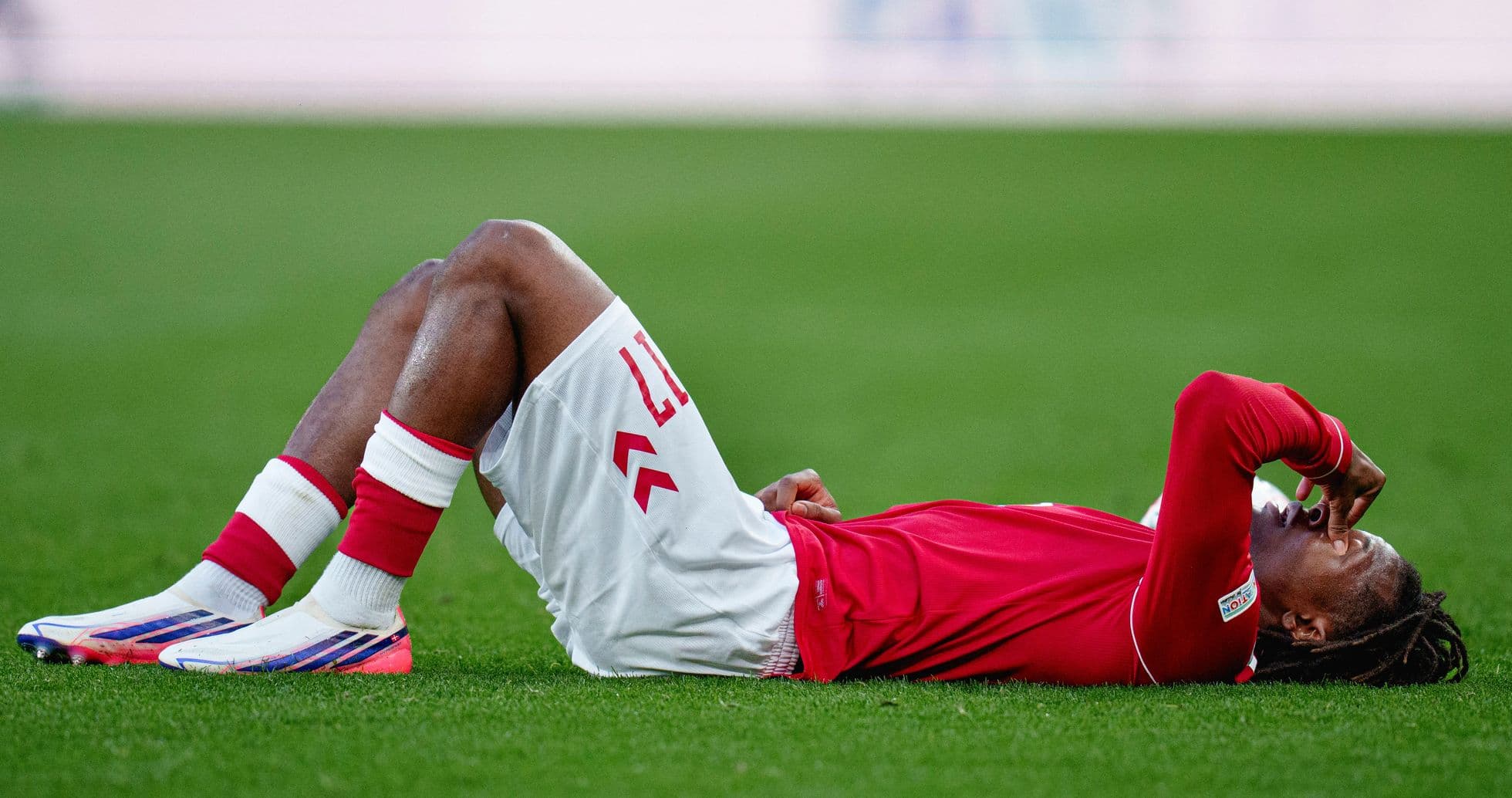
Maddison’s 2025-26 season effectively ended last August with a ruptured anterior cruciate ligament. One bad movement, one sharp pain, and a playmaker built on rhythm and sharp turns was suddenly stuck on the sofa with a machine strapped to his knee.
While he fought through rehab, life at home exploded into organised chaos. His partner gave birth to their second set of twins.
“It was the toughest year of my life,” he admits to Somers. The phrase hangs in the air for a moment. Then he explains why it didn’t break him.
“I needed that positive distraction of my partner being pregnant and having to be there for her and forget about myself, even though I was going through a traumatic experience through my knee.”
He leans into the madness of it. “A lot of nappies flying about, a lot of accidents at home, but it’ll all be worth it,” he says. “We still love it. I wouldn’t change it for the world.”
The injury may have sidelined him from the pitch, but it also altered how his own children see him. His eldest son, Leo, briefly thought Dad had left Spurs altogether.
“I missed a year of football, and a year in a child’s life – from three and a half to four and a half – it’s obviously massive,” Maddison says. “He couldn’t even remember over a year ago when he was at all the games.”
That is what drives him now. “It would be nice for him to come to the games again and actually remember Dad playing instead of just Dad sat at home watching him with a machine on his knee.”
Watching Spurs suffer from the sofa
While Maddison wrestled with rehab and night feeds, Tottenham unravelled. A squad that had flirted with the top four in previous seasons found itself staring down the table. Survival was only secured on the final day, with Spurs finishing just two points above the relegation zone.
For a player who thrives on responsibility and the ball at his feet, the helplessness cut deep.
“We probably struggled a little bit for creativity and I’m watching the games thinking, ‘What would I be doing there?’” he says. Every miscontrolled pass, every attack that fizzled out, only sharpened the frustration.
The club’s mood matched the league position. Anxiety in the stands. Tension in the dressing room. A team that had once attacked with swagger now played with fear.
Then came a change.
De Zerbi’s reset: tactics, trust and a team night out
In March, Italian head coach Roberto de Zerbi walked through the doors at Tottenham Hotspur Stadium. Maddison was still sidelined, but even from the treatment room he felt the shift.
“He’s very clever. He’s very tactical. He’s obsessed with football, you can see that,” Maddison says. The detail, the structure, the clear ideas – all of it landed quickly. Yet De Zerbi’s first move was not a complex pressing pattern or a new build-up shape.
It was dinner.
One of his earliest acts was to organise a team meal. No strict curfews. No lectures. Alcohol allowed.
The message, as Maddison recalls it, was simple: “We’re all going to be drinking alcohol, we’re all going to be having a good night.”
“He wanted us to have a night where we all just relax,” Maddison explains. “That feeling that we got made everyone feel more knitted together, straight away.”
The pressure eased. Laughter returned. A group that had been gripped by the fear of dropping out of the league started to feel like a team again.
De Zerbi’s man-management stretched beyond the starting XI. It reached the injured No 10 as well.
Slippers on the bench
Another early decision raised eyebrows – especially Maddison’s. De Zerbi wanted him back on the bench before he felt ready to play.
“I was almost like, ‘I’m not ready to play yet, boss,’” Maddison recalls.
The response caught him off guard. The Italian told him he could come on the bench “in my slippers” if he wanted. The point was not minutes. It was presence.
“He just wanted me around the group and he thought that would benefit the group,” Maddison says. “I took that as a massive compliment and just acted as if I was part of the bench, part of the team.”
Tottenham clawed their way clear of danger. Maddison will not claim credit for that. “I’m not saying that’s the reason why,” he says, but he knows what it meant to feel involved again as the club steadied itself.
The real step, though, came on 11 May against Leeds. After months of rehab, the midfielder finally pulled on a Spurs shirt and returned to the pitch.
Chasing a clean, full season
Pre-season has been cautious. Tottenham have not risked him so far, choosing patience over pushing too hard. Maddison understands why, but the hunger is obvious.
“I’m working so hard to try and be fully fit and available for the majority of the season,” he says. No caveats. No talk of easing his way back.
“I want just a fully fit, healthy season where I can just enjoy football. Because if I’m fully fit and I’m healthy, then I know what I’m capable of. And I know that I can affect games more than a lot of players in this league. So, let’s just hope for that.”
From nappies flying around the house to nights on the bench in “slippers”, from the edge of the drop zone to a new Italian regime, Maddison has ridden it all. Now comes the real question for Spurs and their playmaker: after the toughest year of his life, how big an impact can he make on the one that really counts?