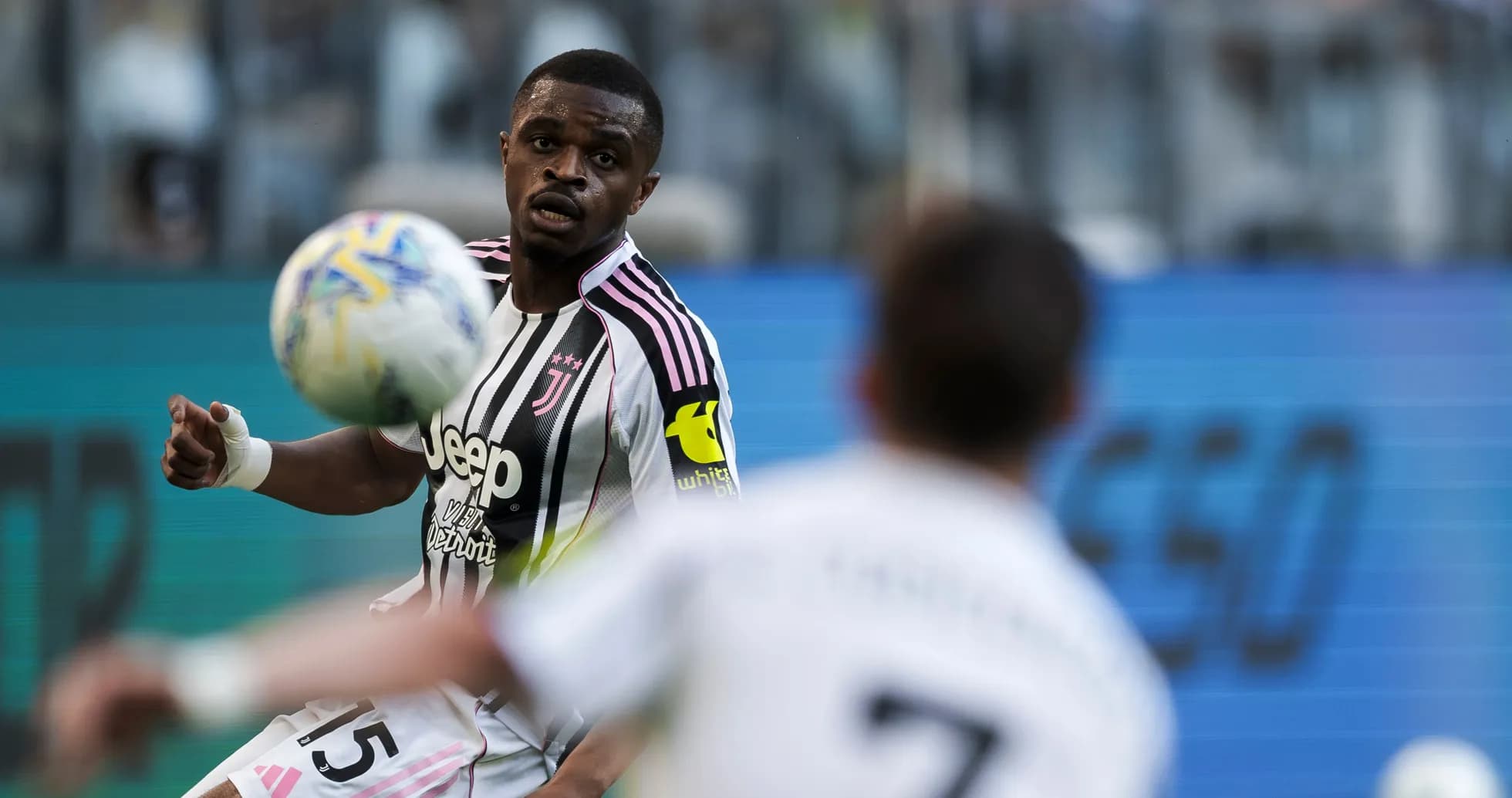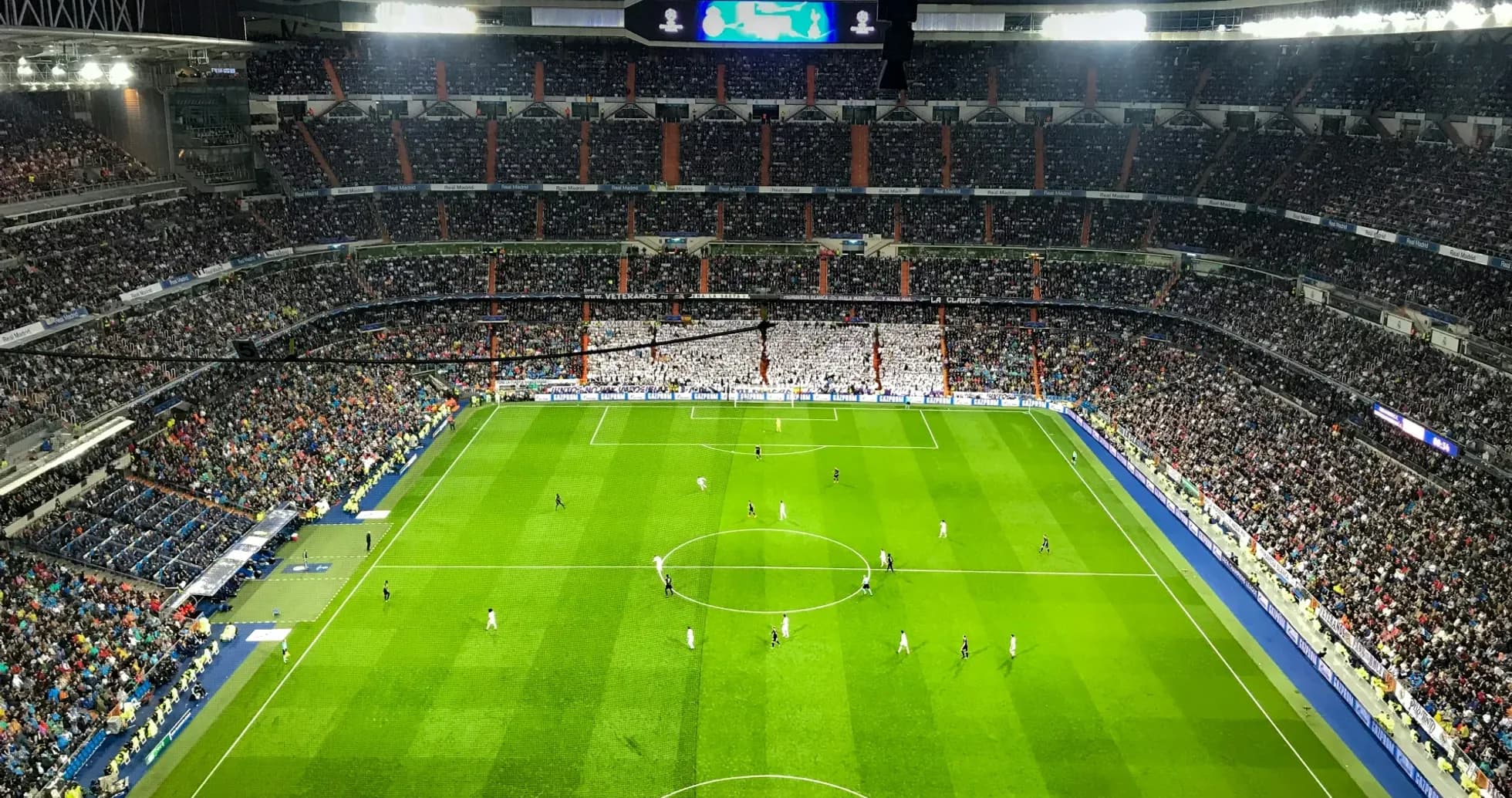
Inter Dominates Udinese in High-Scoring Serie A Clash
Under the San Siro lights, this Regular Season - 4 clash in Serie A brought together two sides whose early‑season identities could not be more distinct. Inter arrived as a machine in motion: 4 wins from 4, 12 points, 2nd in the table, and a goal difference of +7, built on 13 goals scored and 6 conceded overall. Udinese, 13th with 4 points and a goal difference of -2 (8 for, 10 against overall), came as an awkward, transition-heavy visitor capable of chaos but still searching for balance.
The 5–3 full-time scoreline, after a 2–2 half-time, told the story of a wild night, but the squads and their seasonal patterns explain why it unfolded that way.
I. The Big Picture – Systems and Seasonal DNA
Cristian Chivu doubled down on Inter’s early-season blueprint: a 3-5-2 that has powered them to 3 home wins from 3, with 12 goals scored and 6 conceded at San Siro. That home average of 4.0 goals for and 2.0 against underlines a side that overwhelms opponents but leaves the back door slightly ajar.
J. Martinez anchored the back three of M. Akanji, J. Stones and A. Bastoni, a technically secure but aggressively positioned line. Ahead of them, the quintet of A. Diouf, N. Barella, P. Zielinski, H. Mkhitaryan and Carlos Augusto gave Inter an overload-heavy midfield: two playmakers (Zielinski and Mkhitaryan), one dynamic runner (Diouf), Barella as the tempo shifter, and Carlos Augusto as the wide thrust. Up front, M. Thuram and F. Esposito formed a front two that blends power, depth runs and link play.
Inter’s season numbers fit what we saw: overall they average 3.3 goals for and 1.5 against per game, with no clean sheets at home but relentless attacking waves. Their biggest home win before this was 4–1; here, they pushed that attacking ceiling even higher by hitting five.
Kosta Runjaic’s Udinese arrived in a 3-4-2-1 that has been consistent across 4 league games. M. Okoye stood behind a back three of J. Abankwah, C. Kabasele and E. Ebosse, with a midfield line of M. Vojvoda, J. Karlstrom, L. Miller and H. Kamara. Ahead, U. Gomez and J. Ekkelenkamp operated off K. Davis, a trio designed to spring forward quickly rather than dominate the ball.
Udinese’s season profile warned of volatility: on their travels they had scored 6 and conceded 7 in just 2 away matches, an away average of 3.0 goals for and 3.5 against. They had yet to keep a clean sheet anywhere, and their biggest away defeat was already 5–3. This fixture simply reproduced that pattern at a higher level of opposition.
II. Tactical Voids – Absences and Discipline
Both sides came into this game with important absentees that shaped the tactical picture.
Inter were without H. Calhanoglu (muscle injury) and D. Spence (injury). The absence of Calhanoglu removed their primary deep-lying playmaker and set-piece specialist, pushing more creative responsibility onto Zielinski and Mkhitaryan and increasing the importance of Diouf’s ball progression. Spence’s absence limited wing-back rotation, making Carlos Augusto’s two-way output even more critical.
Udinese were hit harder numerically and structurally. J. Arizala (thigh), M. Palma (muscle), J. Piotrowski (heart problems), O. Solet (injury), N. Zaniolo (thigh) and A. Zanoli (knee) were all missing. Solet’s absence weakened their ability to defend large spaces in the back three; Zanoli’s removal cut into their wing-back depth. Most significantly, Piotrowski’s absence deprived them of a combative midfielder who had already collected 2 yellow cards and 1 goal this season, the kind of enforcer who could have disrupted Inter’s rhythm.
Disciplinary trends also mattered. Inter’s season yellow-card distribution shows 40.00% of their bookings arriving between 46–60 minutes, often as they reset intensity after half-time. Udinese’s bookings are spread more evenly, with 22.22% between both 16–30 and 31–45 minutes, and a steady 11.11% in most other ranges. In a game that turned on momentum swings, those windows were exactly when tempers and tactical fouls were likeliest to appear.
III. Key Matchups – Hunter vs Shield, Engine Room Battles
The headline duel was the “Hunter vs Shield” confrontation between Inter’s forwards and Udinese’s fragile away defence. Thuram entered this round with 2 goals and 1 assist from only 140 minutes, a 7.57 rating and 9 total shots, while Esposito had 2 goals, 1 assist, 9 shots and 4 key passes. Together, they led an attack that had already produced a biggest home haul of 5 goals in a single match.
Facing them, Udinese’s away record of 7 goals conceded in 2 matches was a red flag. The back three of Abankwah, Kabasele and Ebosse were always going to be stretched by Inter’s front two plus the constant half-space runs of Diouf and Barella. Every time Inter broke the first line of pressure, Udinese’s “shield” was forced into emergency defending, and over 90 minutes that imbalance told.
In the “Engine Room” duel, Inter’s A. Diouf was pivotal. With 3 assists already this season, 13 key passes and a 91% passing accuracy, he is one of Serie A’s leading creative midfielders. His role was to exploit the pockets between Udinese’s double pivot of Karlstrom and Miller and the back three, constantly receiving on the half-turn and feeding Thuram and Esposito.
On the other side, Udinese’s answer came from H. Kamara and J. Ekkelenkamp. Kamara, with 2 goals, 1 assist, 106 passes at 80% accuracy and 12 tackles, is their all-action left-sided midfielder, both breaker and carrier. Ekkelenkamp, also on 2 goals and 1 assist with 6 shots and 31 duels contested, offers late arrivals and combination play around Davis. Their task was twofold: punish Inter in transition and help Karlstrom protect the central lane. In the 2–2 first half, they succeeded in turning Inter’s aggressive shape against them; over the full 90, Inter’s depth and quality won out.
IV. Statistical Prognosis – What This Result Tells Us
Following this result, Inter’s attacking trend at home is reinforced: they remain perfect at San Siro, now with at least 4 goals scored in each home outing and still no clean sheets there. Their overall goal difference, previously +7 from 13 scored and 6 conceded, will only have grown more emphatically positive after hitting five again.
Udinese, meanwhile, continue to live on a knife edge away from home. On their travels they had already experienced a 5–3 defeat; conceding five here confirms that their 3-4-2-1, while dangerous going forward, leaves them exposed against top-tier attacks. With 0 clean sheets overall and an average of 2.5 goals conceded per game in total, they cannot yet rely on defensive solidity to grind out results.
From an xG lens – even without explicit values – the profiles are clear. Inter’s volume of shots from Thuram and Esposito, combined with Diouf’s chance creation, suggests they consistently generate high-quality opportunities. Udinese’s open, transition-first approach ensures they create enough to score, but at the cost of allowing opponents repeated entries into dangerous zones.
The tactical verdict is stark: Inter’s squad is built to overwhelm and outscore, and at this stage of the season they are executing that plan ruthlessly. Udinese’s squad has enough individual quality in Kamara, Ekkelenkamp and Davis to trouble most defences, but until the absentees return and the back three tightens, they will remain a thrilling, flawed underdog in fixtures like this – always capable of scoring, rarely capable of surviving.