Hartford Athletic vs Pittsburgh Riverhounds: Tactical Draw Analysis
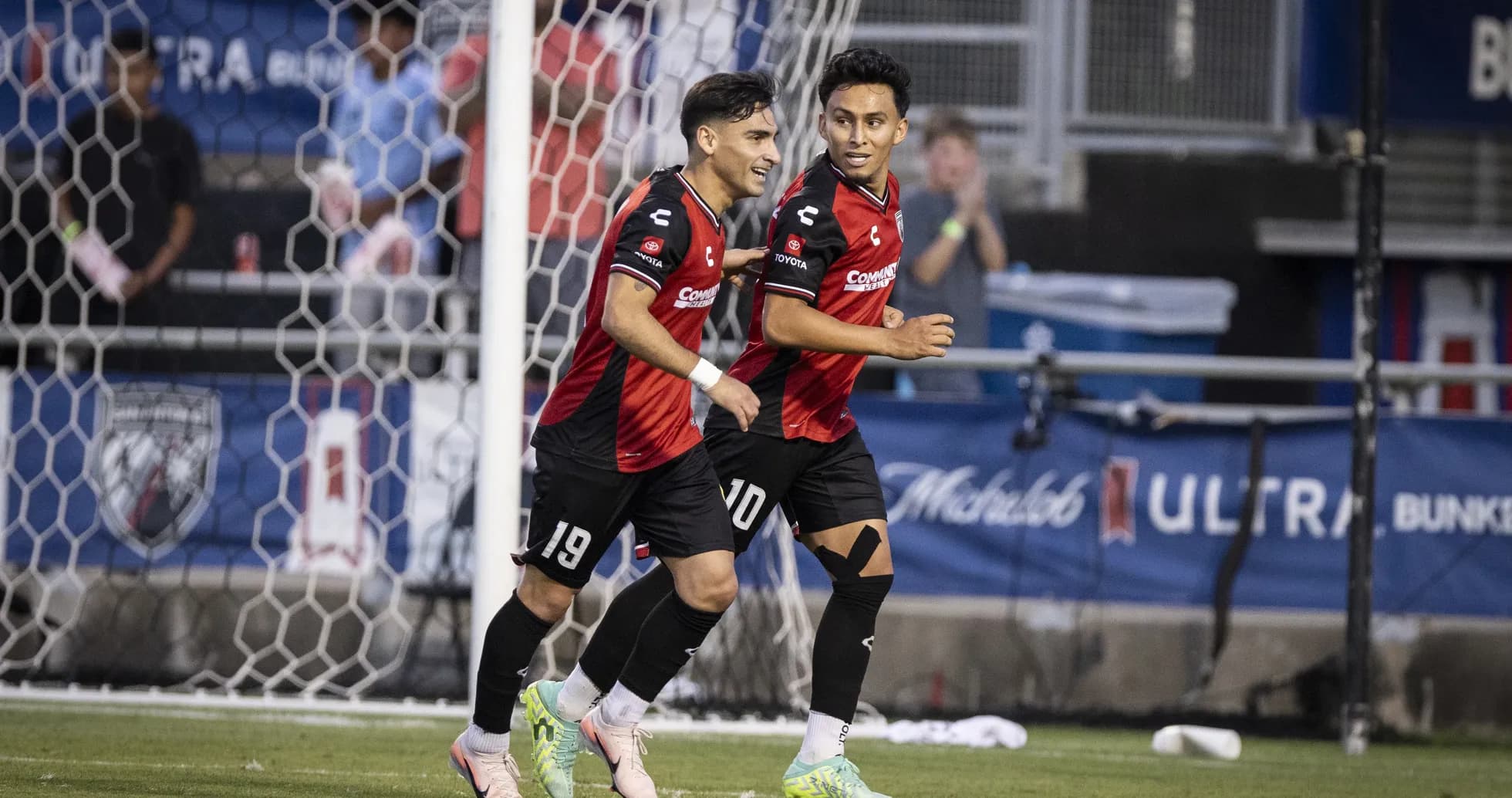
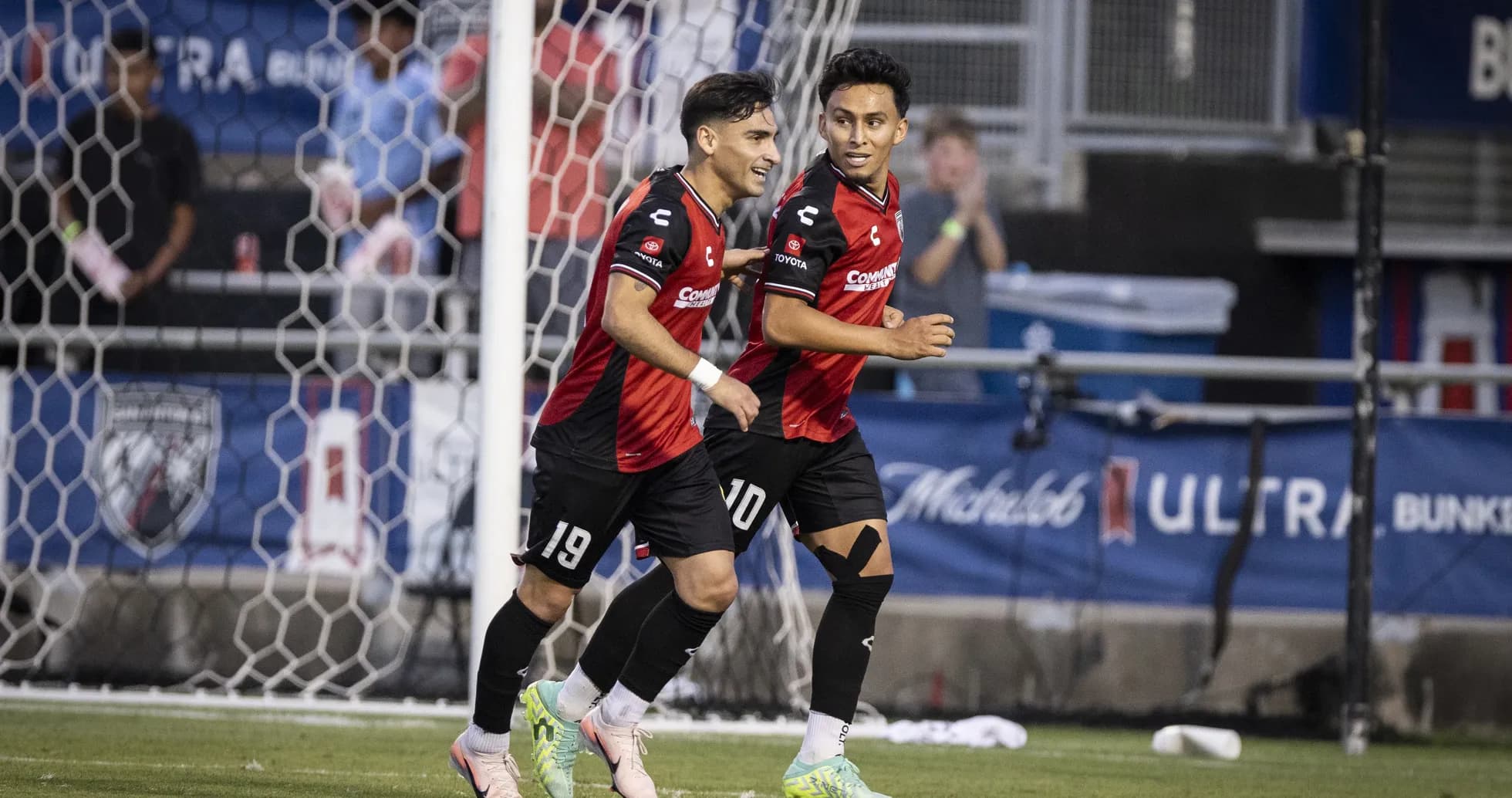
Under the Hartford lights at Trinity Health Stadium, Hartford Athletic and Pittsburgh Riverhounds played out a goalless draw that said far more about structure, discipline, and evolving identities than the 0-0 scoreline suggested. In a USL Championship group-stage meeting between two play-off contenders, the 90 minutes became a tactical arm wrestle between Brendan Burke’s methodical Hartford and Rob Vincent’s more assertive, yet controlled, Pittsburgh.
Heading into this game, the table framed the stakes clearly. Hartford sat 7th in USL 1 on 18 points from 12 matches, with a perfectly balanced overall goal difference of 0, scoring and conceding 10. Pittsburgh arrived 5th on 20 points, with a slightly more positive overall goal difference of 2, built on 15 goals for and 13 against. Both were tracking toward the 1/8-finals, but in different ways: Hartford through accumulation and resilience, Pittsburgh through sharper edges in both boxes.
Hartford’s seasonal DNA has been defined by caution and control, especially at home. On their own ground, they had played 6 league matches, scoring 4 and conceding 7, for a home average of 0.7 goals scored and 1.2 conceded. Away from Hartford, they were paradoxically more effective, with 6 goals scored and 3 conceded in 6 matches, averaging 1.0 for and 0.5 against on their travels. Burke’s side had already posted 7 clean sheets in total this campaign, but they had also failed to score 7 times overall, underlining a team that often chooses defensive solidity over offensive risk.
Pittsburgh came in with a more assertive profile. Overall, they had 15 goals from 12 fixtures, averaging 1.3 goals per match, while conceding 13 at an overall rate of 1.1. At home they were stronger, averaging 1.6 goals for and 0.8 against, but away they were more volatile: 7 goals scored and 9 conceded in 7 away matches, an away average of 1.0 for and 1.3 against. That away fragility hinted at opportunities for Hartford, if they could overcome their chronic home scoring issues.
The lineups underscored the contrast in approach. Hartford’s XI, with A. Siaha in goal and a defensive spine of S. Anderson, A. Diz, J. Scarlett, and B. Fischer, was built first to protect. In front of them, J. Moreira, S. Careaga, and B. Coffey offered structure in midfield, while M. Ngalina and E. Samadia were tasked with stretching the game to support A. Williams up front. The bench options, including S. Anaku and A. Taofeek, suggested Burke had vertical running and late energy in reserve, but not necessarily a proven finisher to transform the attacking profile.
Pittsburgh’s starting shape revolved around balance and ball progression. With N. Campuzano in goal, the back line of P. Barnes, V. Souza, O. Mikoy, and L. Kelp had to manage both Hartford’s counters and set-piece threats. In midfield, E. Goldthorp, R. Mertz, and D. Griffin formed an “engine room” capable of both pressing and distribution, while the attacking trio of M. Viera, A. Dikwa, and C. Ahl gave Vincent multiple channels of penetration. On the bench, the likes of B. Etou, T. Amann, and J. Garcia provided tactical flexibility, from extra steel in midfield to fresh wide running.
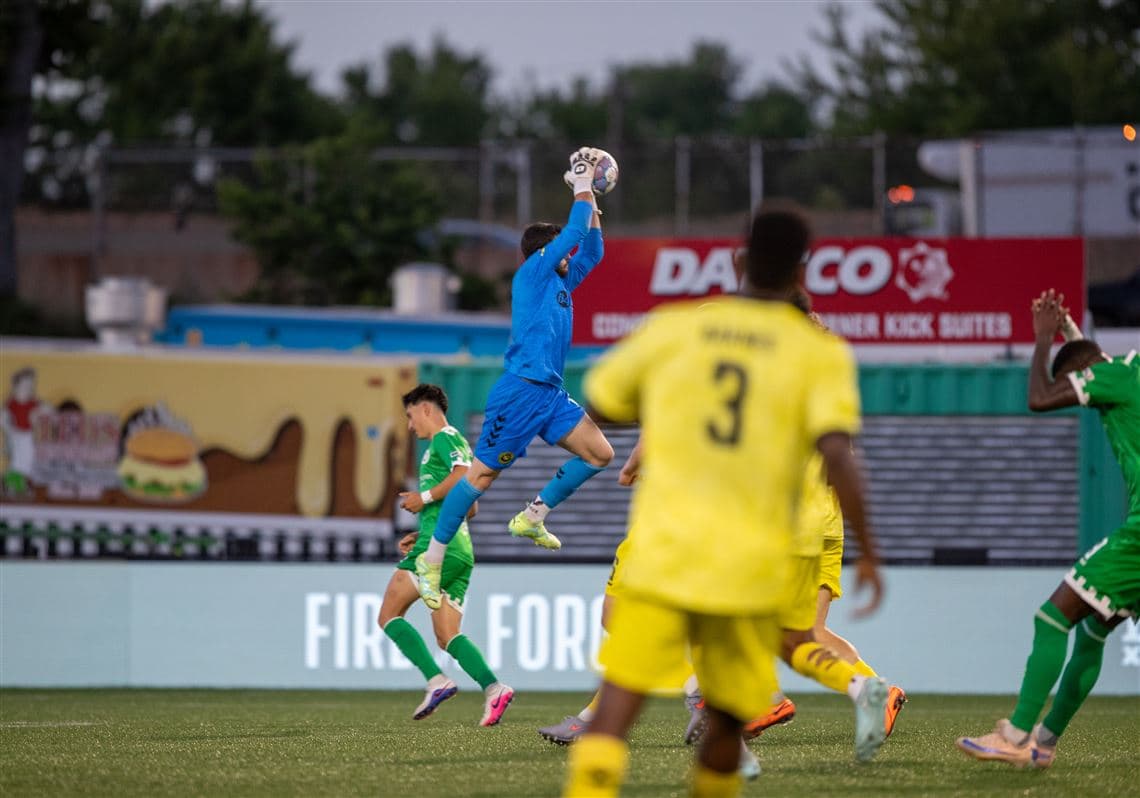
Tactically, the match unfolded as a study in mutual denial. Hartford, knowing their home average of 0.7 goals for and 1.2 against left little margin for chaotic games, focused on compressing space between the lines. Siaha’s command of the area and the presence of Scarlett at the back underpinned a compact block that limited Pittsburgh’s ability to combine centrally. Hartford’s season-long tendency toward clean sheets was visible again: they were content to sacrifice numbers in attack to ensure their defensive structure remained intact.
Pittsburgh, for their part, approached the game with the confidence of a side that had scored 15 overall and converted both of their penalties this season (2 taken, 2 scored, 100.00%). Yet the away statistics—9 goals conceded on their travels at an away average of 1.3—encouraged a slightly more measured approach here. Instead of overcommitting, Vincent’s side tried to probe patiently through Mertz and Griffin, looking for pockets between Hartford’s lines rather than forcing transitions that might expose them to counters from Ngalina and Williams.
The disciplinary backdrop added another layer of tension. Hartford’s yellow card timing this season has been heavily clustered in the middle and late phases: 20.00% of their yellows between 46-60 minutes, another 16.67% from 61-75, and 20.00% between 76-90, with an additional 20.00% from 91-105. Their red cards had come exclusively late as well, split evenly between 76-90 and 91-105 at 50.00% each. Pittsburgh’s yellows were more evenly spread, with 18.75% in both the 31-45 and 46-60 windows, and another 18.75% between 76-90. That statistical profile foreshadowed a match that would grow more combative after the break, with both midfields walking a disciplinary tightrope as they tried to disrupt the opponent’s rhythm.
The “Hunter vs Shield” dynamic in this fixture was less about individual scorers—no top scorers data was available—and more about collective patterns: Pittsburgh’s overall 1.3 goals per match against Hartford’s overall 0.8 goals conceded and 7 total clean sheets. Over 90 minutes, Hartford’s shield held firm, neutralising Pittsburgh’s season-long attacking edge. Conversely, Pittsburgh’s defence, which had allowed 9 goals away, managed to avoid the lapses that had previously cost them on their travels, keeping Hartford’s home attack stuck at its familiar 0.7-goal ceiling.
In the engine room, Hartford’s trio of Moreira, Careaga, and Coffey focused on screening and recycling rather than expansive playmaking, while Pittsburgh’s Mertz and Griffin tried to tilt the field with more progressive passing. Neither side truly cracked the other’s structure, and the match settled into a pattern of half-chances and aborted transitions.
From a statistical prognosis standpoint, a narrow scoreline had always been likely. Hartford’s overall averages of 0.8 goals for and 0.8 against, combined with Pittsburgh’s 1.3 for and 1.1 against, pointed toward a game where one goal might decide it. Instead, both defences slightly outperformed their season baselines. Any xG model would likely show Pittsburgh edging the chance quality on the basis of their more proactive attacking posture, but Hartford’s defensive discipline and the absence of penalty opportunities—critical given Pittsburgh’s 100.00% penalty conversion this campaign—flattened the margins.
Following this result, the narrative is clear. Hartford confirm their identity as one of the league’s most stubborn, low-variance sides: difficult to break down, but still searching for a way to lift their home attacking output beyond 0.7 goals per match. Pittsburgh, meanwhile, extend the story of an away campaign that remains solid but unspectacular, their overall goal difference of 2 preserved but not enhanced. In a league where fine margins will decide play-off seeding, this 0-0 felt less like a missed opportunity and more like a quiet, tactical truce between two teams that may yet meet again when the stakes are higher.