Germany's 2026 World Cup Setback and How Jürgen Klopp Could Spark a Revival by 2030
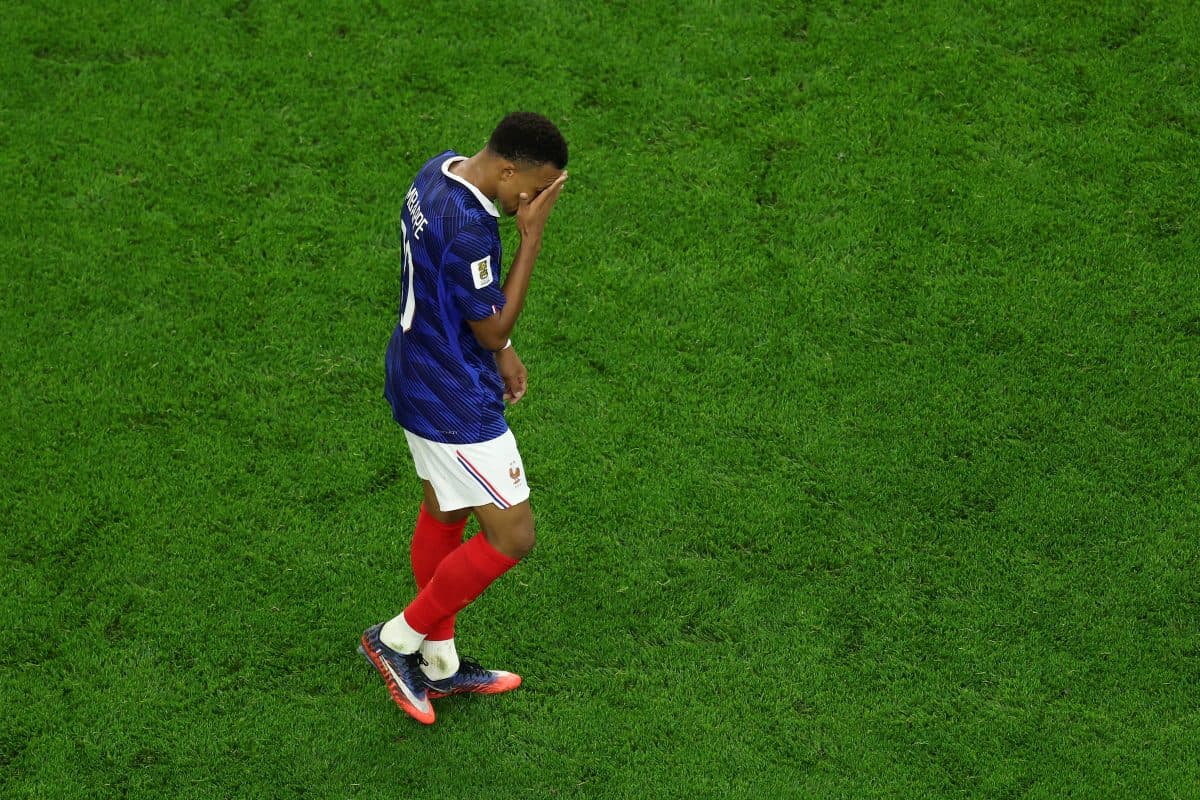
The German national team stumbled at the 2026 World Cup, but hope may lie ahead with Jürgen Klopp stepping in as head coach. After a solid run at EURO 2024 under Julian Nagelsmann, where Germany narrowly missed the semifinals, their World Cup campaign ended in disappointment.
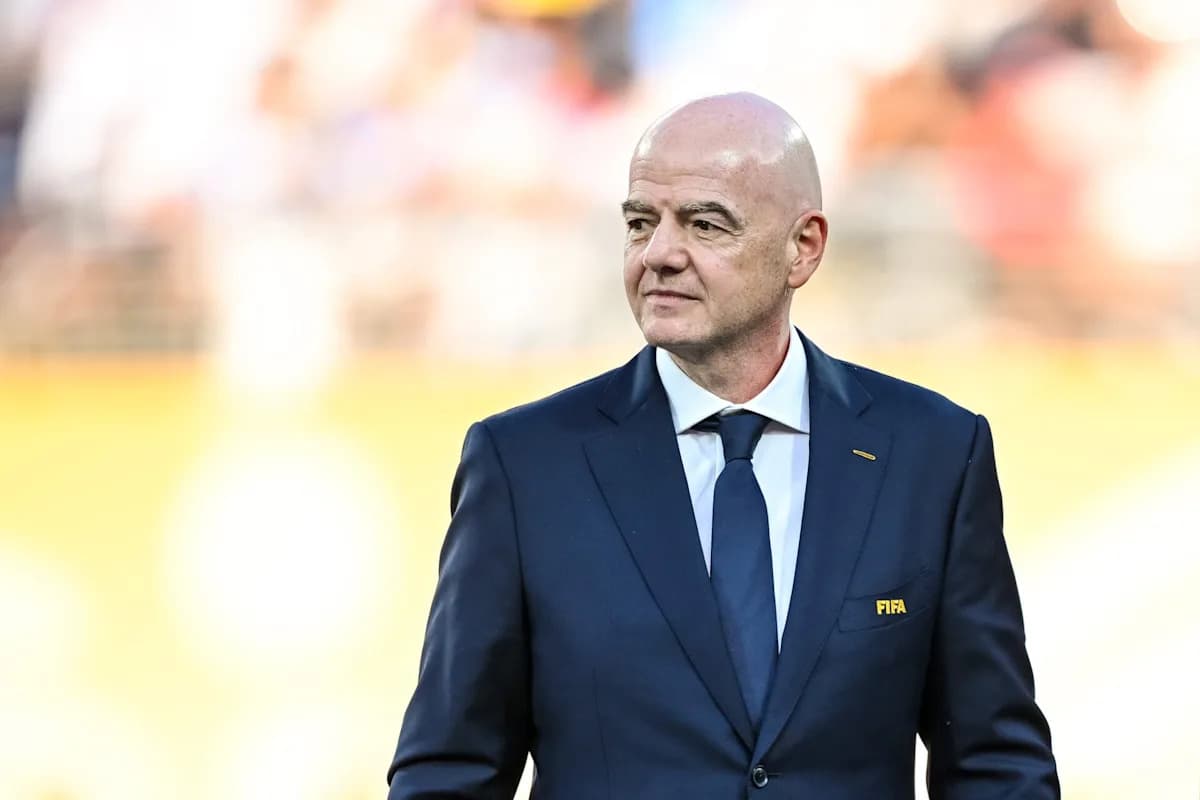
Following two consecutive group-stage exits in 2018 and 2022, expectations were cautiously rising. The transition from Joachim Löw to Nagelsmann brought renewed energy, but the recent failure has pushed the German Football Association (DFB) to look for a fresh start.
A New Chapter Begins
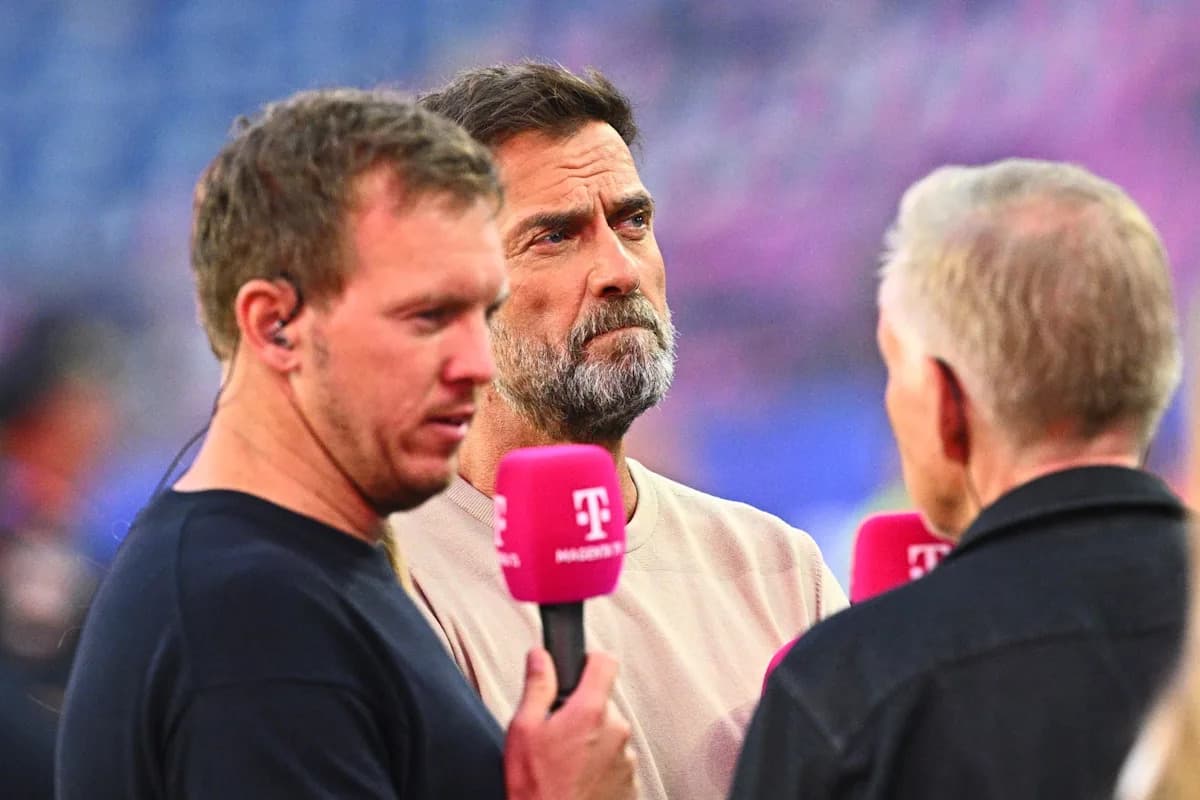
The DFB allowed Nagelsmann to resign quietly after the early World Cup exit, opening the door for Klopp to take over. While he finishes his current broadcasting role with MagentaTV and prepares to activate a release clause from Red Bull GmbH, the excitement among fans is palpable. Klopp’s reputation and history make him a natural fit to rebuild Germany’s international presence.
Experience That Counts
Klopp’s achievements speak volumes. From leading Mainz to Bundesliga promotion to winning league titles and domestic cups with Borussia Dortmund, and finally ending Liverpool’s 30-year Premier League drought along with multiple other trophies, his track record is impressive. He has competed and triumphed at the highest club levels, unlike Nagelsmann who, despite success, has a more limited trophy collection.
The DFB entrusting Klopp with sweeping authority to reshape the squad and youth development signals their belief in his vision. His style, often called "heavy metal" football, carries risks but promises big rewards when executed well.
Strong Bonds Within the DFB
Klopp’s longstanding ties with German football officials like Bernd Neuendorf and Rudi Völler, who will remain sporting director until 2028, should smooth his transition. Bringing trusted assistants Peter Krawietz and Zsolt Löw adds stability. These relationships help ease potential conflicts and make managing high-pressure moments less daunting.
Empowering Change
Beyond tactics, Klopp is expected to overhaul the youth system, possibly sparking a reboot reminiscent of Germany’s early 2000s reforms. His previous clubs saw him leave lasting legacies, whether taking Mainz to top-flight football or guiding Liverpool to historic successes. Now, with more control than ever, his influence could extend deeply into German football’s structure.
Balancing Youth and Experience
Klopp’s skill at blending different player profiles stands out. At Dortmund, he developed young talents like Robert Lewandowski and Marco Reus, while at Liverpool, he nurtured emerging stars such as Trent Alexander-Arnold alongside seasoned veterans like James Milner and Jordan Henderson.
Germany’s squad debates often focus on age balance and experience versus fresh talent. Klopp’s man-management record suggests he can navigate these issues effectively, bringing out the best in both established players and newcomers. This bodes well for integrating rising Bundesliga and Champions League winners alongside young prospects.
Looking Ahead
Will Klopp’s arrival mark the end of Germany’s recent tournament disappointments? His proven ability to inspire teams and overhaul systems offers hope. Fans can look forward to seeing how his leadership impacts Germany’s performances in EURO 2028 and the 2030 World Cup.