Frenkie de Jong's Battle with Knee Injury and Return to Barcelona
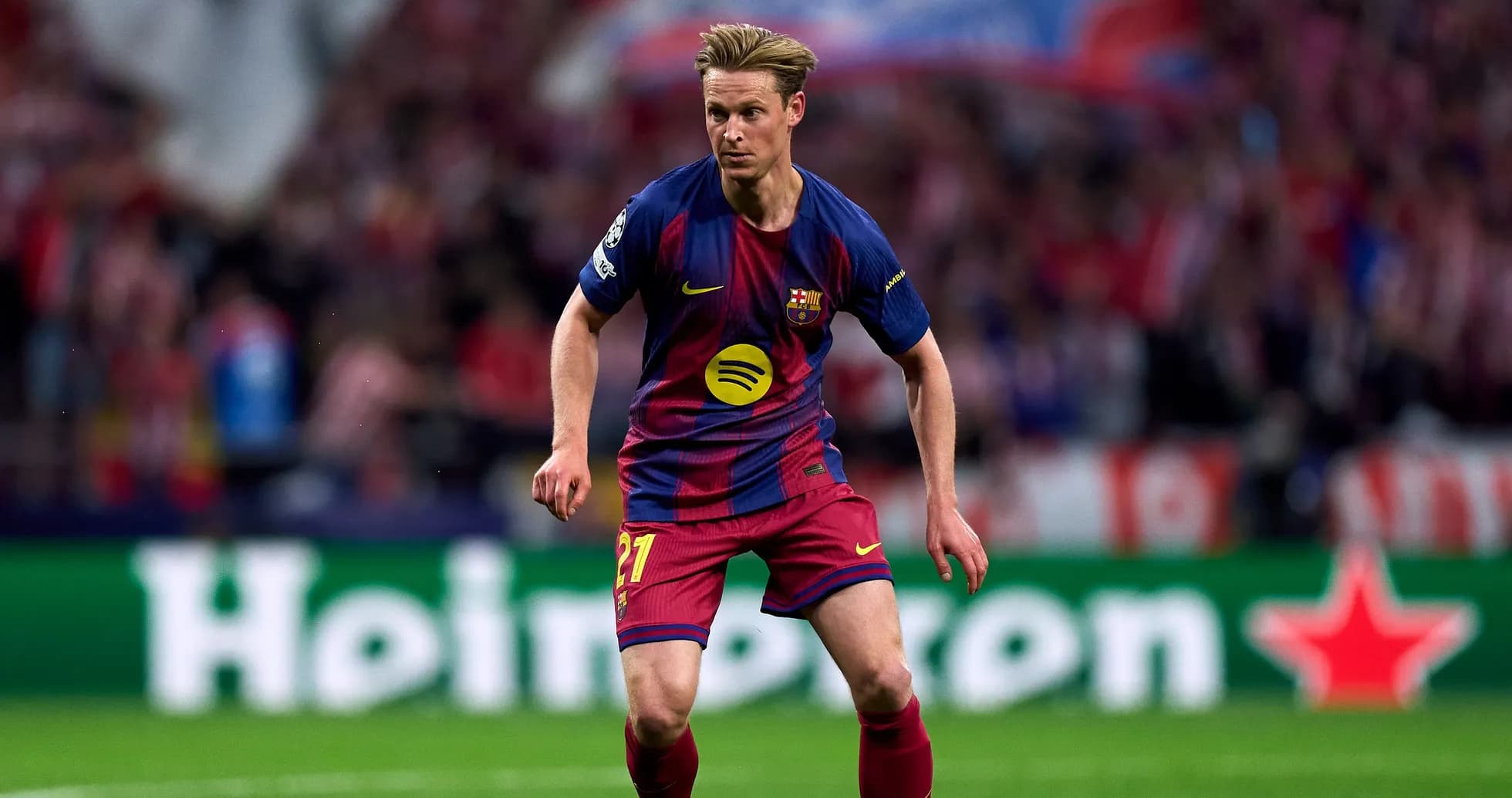
Frenkie de Jong’s road back to the Barcelona midfield is turning into a long, stubborn battle with his right knee – and the calendar is not doing him any favours.
The 29-year-old is still working his way through the recovery process from the injury he suffered at the start of September, and his return is not around the corner. The current outlook inside the club points to October at the earliest, and even that depends on one key condition: no pain, no setbacks.
A World Cup injury that wouldn’t go away
The full picture of De Jong’s problem has only emerged in recent weeks. As reported by Spanish outlet Mundo Deportivo, the Dutch midfielder tore the medial collateral ligament in his right knee during the World Cup. Barcelona made the diagnosis public on 23 July, but information received by Hansi Flick’s staff suggests the damage dates back to a Netherlands training session around 16 June.
The delay in understanding the seriousness of the injury was costly. The Dutch national team doctors initially misdiagnosed the problem, and De Jong kept playing. His World Cup campaign ended on 30 June, yet he did not immediately report back to Barcelona. Instead, he took a two-week holiday in Ibiza.
Only when he finally returned to the club did the alarm truly sound. Barça’s medical team reached the first accurate diagnosis on 13 July, almost a month after the initial incident.
Conservative path, medical doubts
Once the extent of the ligament tear became clear, De Jong faced a decisive choice. The club’s doctors recommended surgery. The midfielder said no.
He opted for conservative treatment, betting on rest, rehab and progressive work rather than going under the knife. The decision went against the opinion of part of the medical staff, but Barcelona ultimately respected their player’s stance. Both sides agreed to follow a flexible plan: monitor his knee closely, adjust the workload according to his sensations, and reassess at key checkpoints.
The next major checkpoint is already ringed in red.
International break as a final push
Within the coaching staff, the next formal assessment of De Jong’s condition is scheduled for after the upcoming international break. That window begins on 21 September and ends when league action resumes on 10 or 11 October.
De Jong wants to squeeze every last drop out of that period without club fixtures. His target is clear: by 8 October he hopes to be back training with the group, the same day his international teammates are due to return to Barcelona’s sessions.
For that to happen, several boxes must be ticked. The ligament in his right knee must be pain-free. The joint must respond to increased load. And he needs to recover a minimum level of match rhythm before he can be thrown into competitive action.
That last part is where the tension really starts.
A brutal run of fixtures on the horizon
Barcelona’s schedule after the break is unforgiving. There is no gentle reintroduction, no low-key fixture to ease a key midfielder back in.
Getafe await first, always awkward and physically demanding. Then comes Galatasaray, with the intensity of European nights and all the noise that follows. Real Betis bring their technical quality and high tempo. Paris Saint-Germain loom as a heavyweight test. And then, on 25 October, the Clasico against Real Madrid.
Those are games that demand players at their peak, not at 70 or 80 per cent.
Flick knows it. De Jong knows it. The temptation will be to rush, to circle the Clasico date and push harder. But a misstep now could turn a delayed return into a lost season.
The next few weeks will not just decide when Frenkie de Jong plays again. They will decide how much of an impact he can still have on Barcelona’s season.