
Fifa Eases World Cup Water Bottle Ban for 2026
Fifa has rowed back on its controversial World Cup water bottle ban, easing restrictions after a backlash from fans, scientists and even the British prime minister.
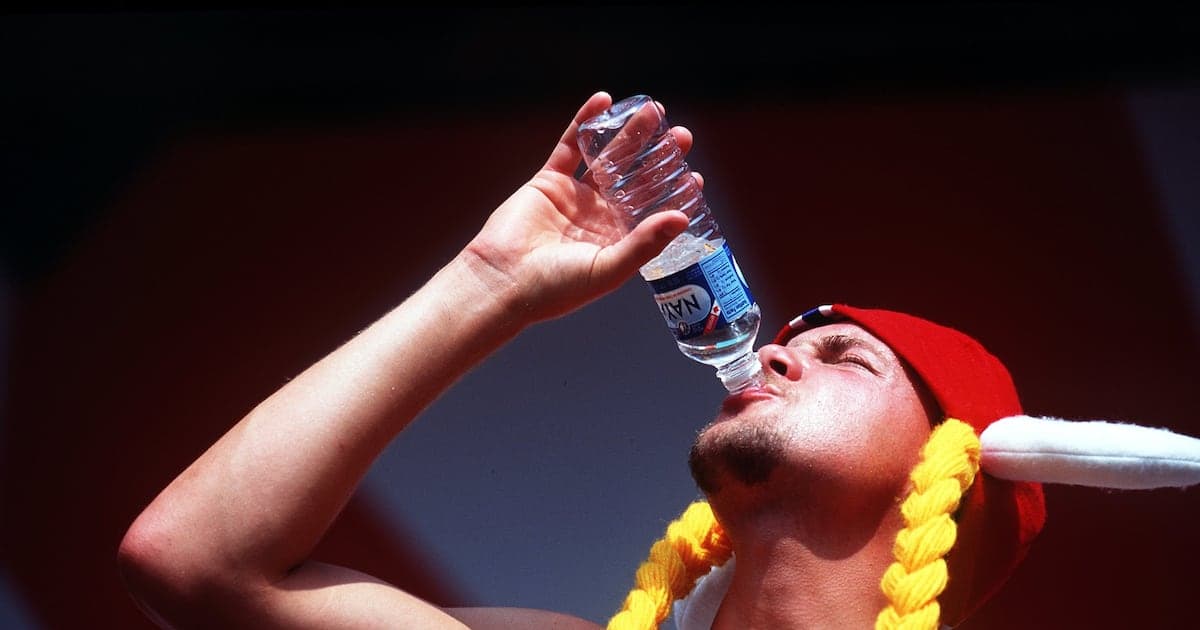
Under the revised rules for the 2026 tournament in North America, supporters will be allowed to take one soft, plastic, factory-sealed disposable bottle of water – 20 ounces (590ml) – into stadiums in the USA and Canada.
That is a sharp pivot from the update issued earlier in the week, when Fifa scrapped its original plan to allow fans to bring in empty, transparent, reusable bottles of up to one litre and instead outlawed reusable containers altogether.
The change landed badly. Fan groups accused the organisers of ignoring mounting concerns over extreme heat and spectator welfare at a summer World Cup spread across the United States, Canada and Mexico. Scientific experts raised similar alarms, warning of the risks of limiting access to hydration in potentially punishing conditions.
Then came the political hit. Keir Starmer, speaking to LBC on Friday, condemned the move as “wrong” and suggested it was “about making money”, highlighting the apparent contradiction at the heart of the policy: no bottles from outside, but water on sale inside the grounds.
“So you can’t bring plastic bottles in but you can buy a bottle of water when you get in the crowd?” he said. “And then it’ll be expensive. The tickets themselves cost a fortune, far too expensive in my view. So the ticket sales are too high. And this is the wrong policy.”
The pressure finally told. In a clarifying statement, Fifa confirmed the partial reversal, setting out what fans can and cannot carry through the turnstiles.
“All fans will be permitted to bring in one, soft, plastic, 20 ounces (590ml), factory sealed disposable water bottle into any Fifa World Cup 2026 match in the USA and Canada,” the governing body said.
World Cup 2026 chief operating officer Heimo Schirgi underlined the remaining red line: “What is not allowed are hard-sided resealable water containers, which could pose a safety and security risk.”
Security has been Fifa’s public justification throughout. On Tuesday, when the stricter ban on reusable bottles was first outlined, the organisation said the policy aimed to “prevent risk and injury to players and attendees”.
Yet the comparison with recent tournaments has been unavoidable. At last summer’s Club World Cup in the United States, supporters were allowed to bring empty bottles into stadiums and refill them once inside. Water was sold there too, typically between £3 (€3.47) and £4.50 – a reminder of the commercial stakes around in-stadium concessions.
This latest climbdown does not restore the more flexible Club World Cup model, but it does mark a concession to the growing scrutiny on how the 2026 World Cup will handle heat, safety and affordability for ordinary fans.
The debate now moves from what fans can carry in their hands to a bigger question: in a tournament of this scale and cost, how far is Fifa really prepared to go to put supporter welfare ahead of revenue?





