FC Tulsa Falls to San Antonio in USL League One Cup Clash
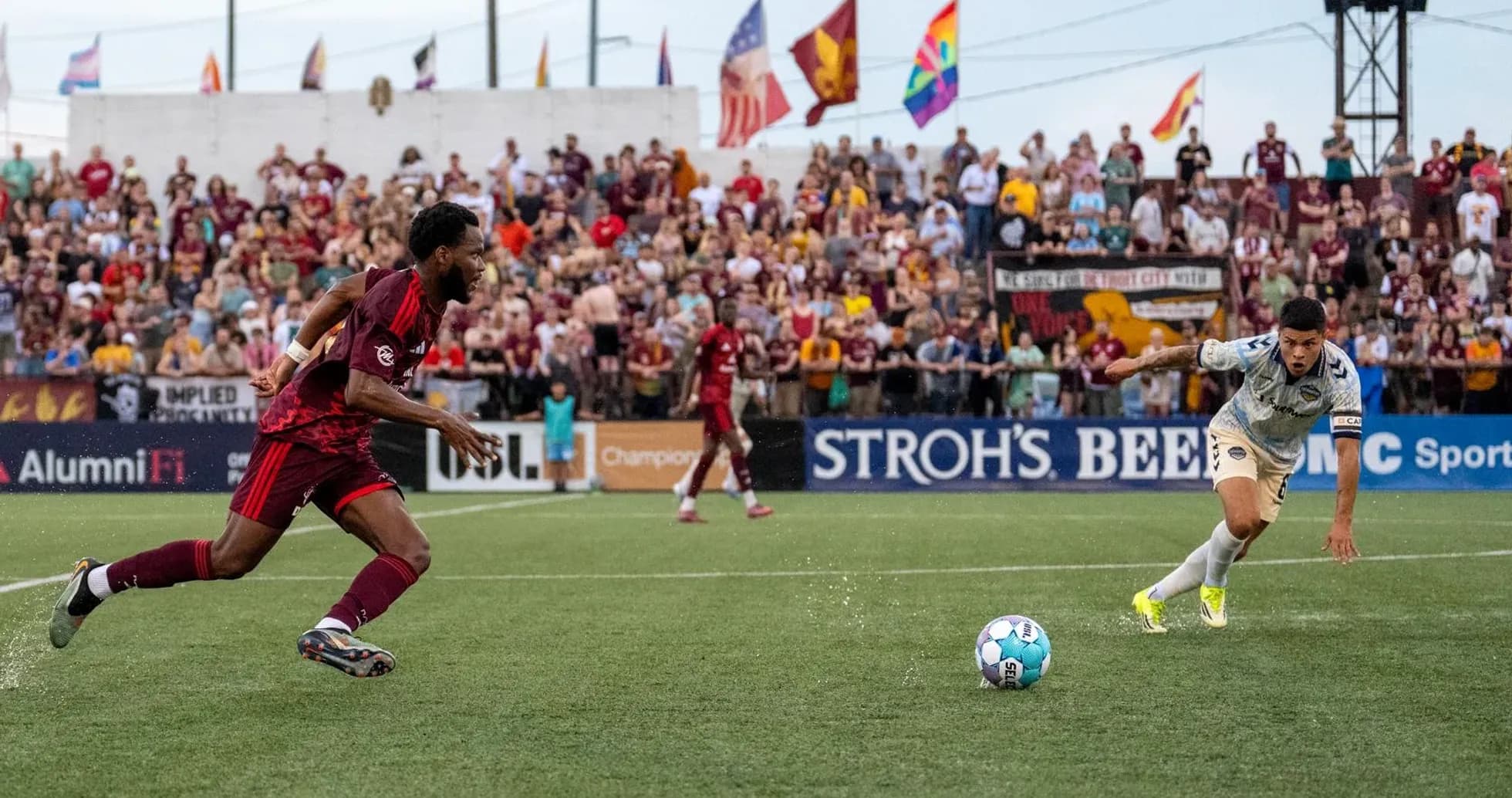
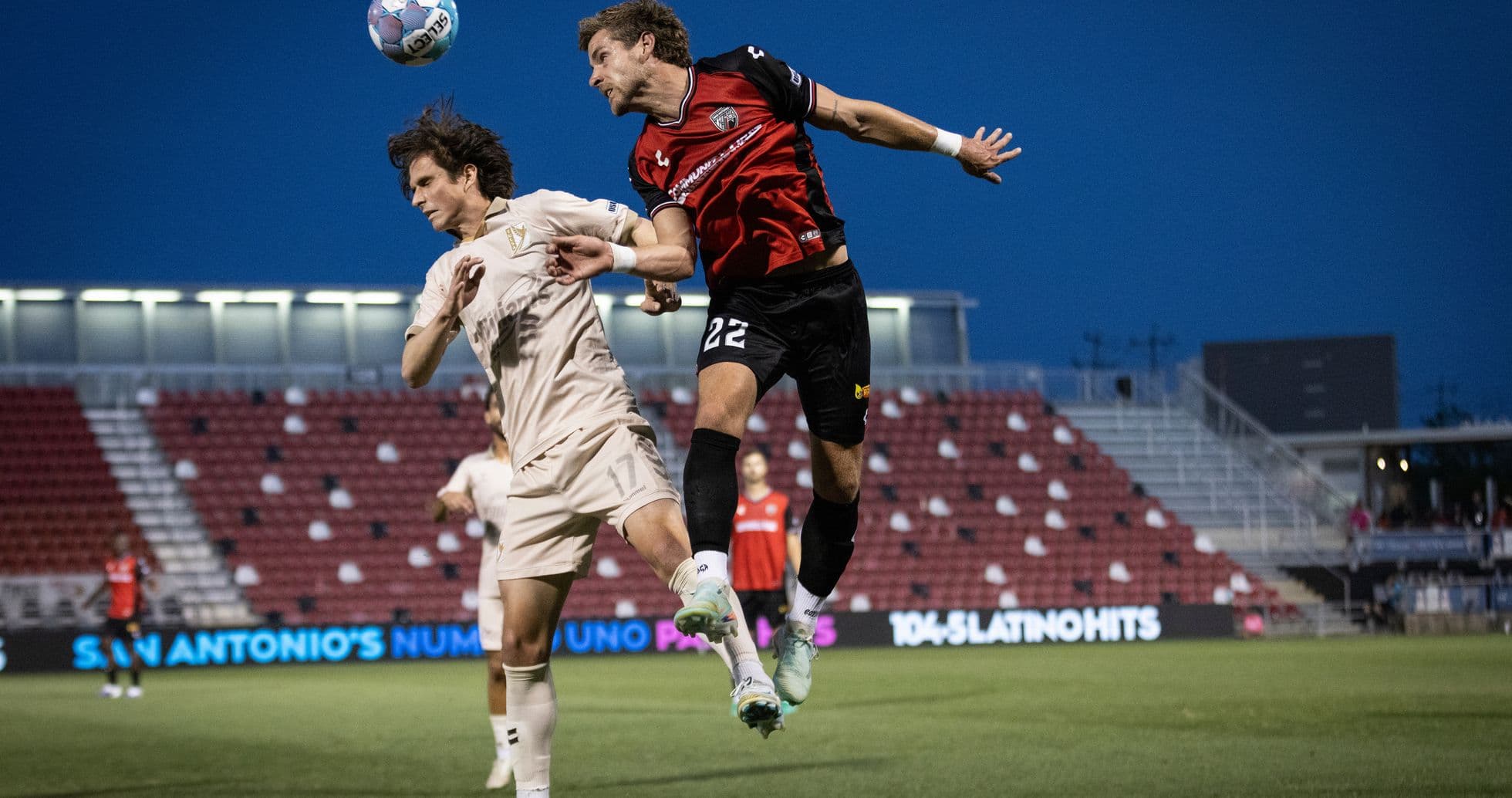
The night at ONEOK Field ended with a sting for FC Tulsa. A 1–0 half‑time lead dissolved into a 1–2 defeat against San Antonio, a result that neatly mirrored the broader group‑stage story in the USL League One Cup: a ruthless, efficient visitor toppling a fragile host.
Heading into this game, the table already hinted at the power balance. San Antonio sat 1st in USL Cup 2026, Group 3 with 8 points, an imposing overall goal difference of +4 (6 scored, 2 conceded), and a flawless form line of “WWW”. FC Tulsa, 2nd in the same group, were more volatile: 4 points, a goal difference of -1 (5 scored, 6 conceded), and a jagged “LWL” form. The numbers underlined a simple truth: Tulsa were entertaining but exposed; San Antonio were coldly efficient.
I. The Big Picture – Styles in Contrast
Tulsa’s season profile in this competition has been defined by imbalance. Overall, they averaged 1.0 goals for per game and 1.3 goals against, with their home record particularly troubling. At home, they had played 2, lost 2, scored 2, and conceded 4. On their travels, by contrast, they had been perfect: 1 away game, 1 win, 1 goal scored, none conceded. ONEOK Field has not been a fortress; it has been a test of their nerve.
San Antonio arrived as the group’s reference point. Overall, they averaged 1.3 goals for and just 0.3 goals against per match. Away from home, they were even more impressive: 2 games, 2 wins, 3 goals scored, only 1 conceded, an away scoring average of 1.5 and an away defensive average of 0.5. This is the profile of a side that travels with a plan and executes it.
On the night, the match narrative followed those season arcs. Tulsa, urged on by the home crowd, took the initiative and went into the break 1–0 up. But San Antonio’s second‑half response was in character: composed, controlled, and ultimately decisive, turning the game to 1–2 by full time.
II. Tactical Voids and Discipline – Where Edges Emerged
The lineups told their own tactical story, even without explicit formations listed. Luke Spencer leaned on a spine built around A. Tambakis in goal, with L. Batista and A. Clarke among the defensive pillars, and a midfield core of G. Colli, J. Kocevski, and G. Robinson. Wide and advanced threat came from B. Sparks, R. Cabral, and the creative presence of J. Webber.
Carlos Llamosa’s San Antonio looked like a classic, structured road unit. J. Batrouni started in goal, shielded by a defensive group including A. Ward, A. Crognale, M. Taintor, and D. Barbir. In front of them, N. Blanco and J. Hernandez offered control and progression, with L. Berron, M. Maldonado, E. Cuello, and C. Sorto supplying the movement and incision in the final third.
Discipline has been a quiet but important subplot in both teams’ campaigns. Tulsa’s yellow‑card distribution shows a tendency toward spikes in the middle and later phases of matches: 21.43% of their yellows between 16–30 minutes, 28.57% between 46–60, and another 21.43% from 76–90. Critically, all of their red cards in this competition have arrived late, with 100.00% shown between 76–90 minutes. That pattern hints at emotional fatigue and tactical overreach as games stretch.
San Antonio, by contrast, manage the edge more shrewdly. Their yellow cards are spread, but with a clear late‑game surge: 37.50% of their yellows arrive between 76–90 minutes, yet they have not seen a single red across any time range. They walk the disciplinary line without crossing it, an important advantage in tight away fixtures like this one.
III. Key Matchups – Hunter vs Shield, Engine vs Enforcer
Without individual scoring charts, the “Hunter vs Shield” duel becomes a collective battle: Tulsa’s attacking unit against San Antonio’s away defensive record. Heading into this game, Tulsa had scored 2 goals at home in this competition, an average of 1.0 per home match. San Antonio, on their travels, had conceded just 1 goal in 2 games, averaging 0.5 against away. On the night, that pattern held: Tulsa broke through once, but could not repeat it under second‑half pressure.
In the “Engine Room”, the contest between Tulsa’s midfield trio and San Antonio’s central operators defined the shift after the break. J. Kocevski and G. Colli tried to set the rhythm for the hosts, linking to the likes of B. Sparks and R. Cabral between the lines. Early on, Tulsa’s ability to combine centrally and then release wide runners contributed to their 1–0 half‑time advantage.
But as the game wore on, San Antonio’s structure began to suffocate those channels. N. Blanco and J. Hernandez tightened their spacing, while the back line of A. Crognale and M. Taintor stepped in aggressively to contest second balls. E. Cuello’s work between midfield and attack helped San Antonio carry the ball out under pressure, gradually pinning Tulsa deeper. Once San Antonio tilted the field, the hosts’ earlier fluency turned into reactive defending.
IV. Statistical Prognosis – Why the Result Fits the Numbers
Following this result, the group table and season statistics align neatly with what unfolded. San Antonio’s overall defensive average of 0.3 goals against per match and their away resilience (0.5 conceded per away game) were always likely to make a one‑goal deficit feel surmountable rather than terminal. Their clean‑sheet record – 2 in 3 overall, split evenly between home and away – also speaks to a side comfortable in tight margins.
Tulsa, meanwhile, came into the match conceding 2.0 goals per home game in this competition and scoring 1.0. The 1–2 full‑time scoreline at ONEOK Field is almost a textbook expression of that imbalance. Their failure to keep a single home clean sheet, combined with late‑game disciplinary vulnerability, made protecting a 1–0 lead a precarious proposition.
From an xG‑style perspective, even without explicit figures, the structural indicators lean toward San Antonio. A team that consistently wins (3 wins from 3 overall fixtures), with a positive goal difference of +4 built on tight defense and controlled away performances, is likely to generate and convert the higher‑value chances over 90 minutes. Tulsa’s negative goal difference of -1 and their pattern of conceding more than they score at home suggest that, once San Antonio raised the tempo after the interval, the hosts were statistically and tactically swimming against the tide.
In narrative terms, this match felt less like an upset and more like a confirmation. FC Tulsa showed again that they can punch with anyone for long stretches, especially in the first half. But San Antonio’s blend of structure, discipline, and away‑day clarity turned a difficult situation into another statement win, reinforcing their status as the group’s benchmark and exposing the tactical voids Tulsa must close if they are to turn home promise into home authority.