Eva Olid's Manchester United: Facing Challenges in the WSL
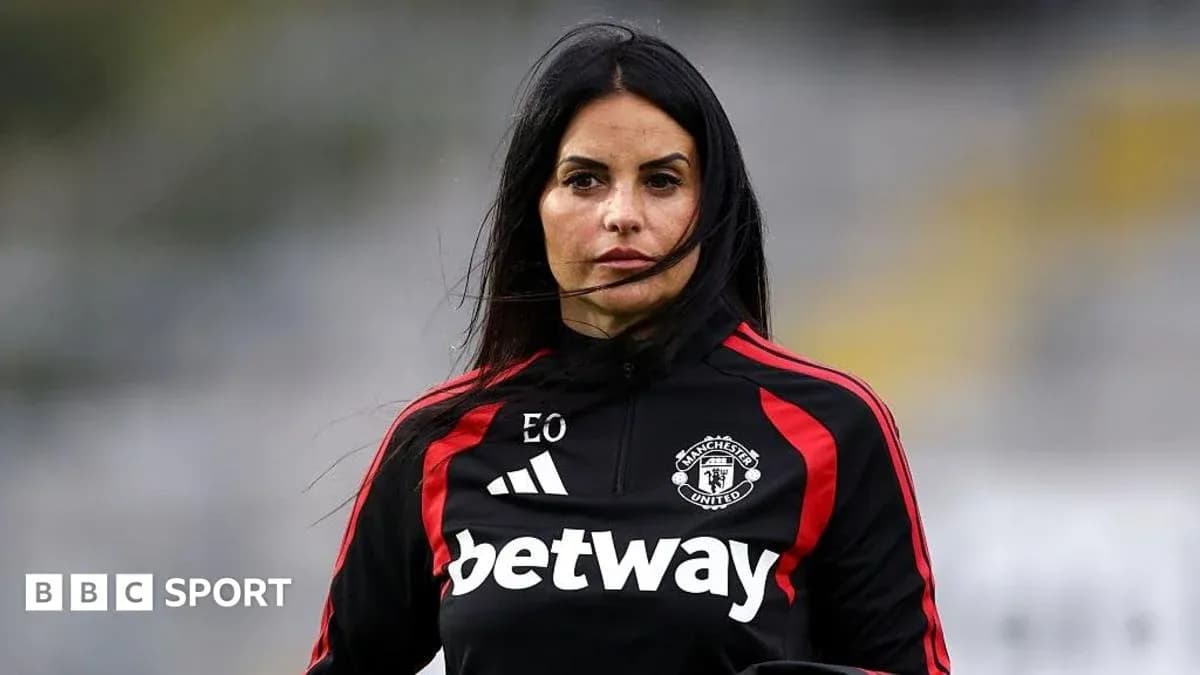
Eva Olid is not hiding from the numbers. Two games, two defeats, one goal scored, seven conceded. Bottom of the Women’s Super League table. Manchester United’s new manager knows exactly how it looks from the outside.
She also insists she knows where it is going.
Under fire, but unflinching
Olid walked into the job in the summer after Marc Skinner’s departure, arriving from Hearts with a clear idea of how she wanted United to play: front-foot, possession-based, aggressive with the ball.
The reality so far has been brutal.
A 2-1 opening-day defeat at London City Lionesses was followed by a 5-0 dismantling at home by Chelsea, a result that sharpened the criticism and raised early questions about the direction of the project.
Across those two matches, United have managed just two shots on target and less than 40% possession in each game – a stark contrast to the identity Olid is trying to build.
She is not pretending the performances have been acceptable.
“The first two performances have not been good,” the 41-year-old Spaniard admitted. “We are the first to say we are not happy.”
The scrutiny has been intense. The response from Olid is calm.
Asked if she has struggled with the criticism, she replied: “Yes and no. That is part of the job. I don't think it affects me.
“It is constructive criticism and that is normal. I understand that… The other part is the part I don't understand – people wanting to hurt [us], but they are not going to.”
Process, pain and patience
Olid keeps returning to one theme: the beginning does not dictate the ending.
“People that understand football know that the beginning and how you start does not define how you end the season,” she said. “We know the direction and what we are doing will give us success in the long term.”
Her focus, she insists, is not on the noise but on the dressing room.
“So yeah, I'm good. The only thing that is important for me is the players. I'm worried always that they need to feel good and strong, nothing else.”
United’s position tells its own story. Bottom of the table. No points. One goal scored. This is not where a club with Champions League ambitions expects to be.
Olid frames it as a necessary storm.
“Yeah, football is like life. You have good moments and difficult moments. I think all the teams in the season have a difficult moment. Ours is the start,” she said.
“We are learning as a team to grow because the difficult moments make you grow. Once we've passed this difficult moment and start [to build] momentum, I think we will be so much better.”
Her main message to the squad has been simple: remember who you are.
“They are not showing in the first two matches who they are and what they can do.”
Caught between old and new
Under Skinner, United built a reputation for defensive solidity and reached the Champions League quarter-finals. That foundation is something Olid does not want to lose while she reshapes the side.
She has already urged her players to retain that steel while gradually absorbing her more expansive ideas.
“They cannot forget what they were good at before. At the same time, little by little, we need to implement the new style,” she said.
The problem, as she sees it, is mental overload.
“The players have been so focused and thinking a lot – overthinking maybe – trying to do everything and in the end, they don't do anything because they are not expressing themselves like I know they can.”
In short, United are stuck in transition: no longer the team they were, not yet the team Olid wants them to be.
Arsenal away: no hiding place
If the opening fortnight has been harsh, the schedule is offering no sympathy.
On Saturday, United head to Emirates Stadium to face an Arsenal side unbeaten in 19 WSL games. United have not won there since November 2022. Kick-off is at 17:30 BST. The stage is big, the margin for error small.
Across the technical area, Arsenal boss Renee Slegers has sympathy for the scale of the task Olid has taken on.
She highlighted the dilemma every new coach faces when inheriting a squad with an existing identity.
“As a coach it's a decision you make – are you going to change things straight away or are you going to have another approach where, over time, you look to try to change things progressively?” Slegers said.
“That's probably the balance for her. I don't know what her philosophy is but I imagine it's a challenge. I understand the disappointment from a fan perspective – but there has been so little time.”
Time is the one commodity managers rarely get in elite football. Olid is asking for some. The table is demanding a reaction now.
Arsenal away, with the spotlight glaring and the questions mounting, is a brutal place to go hunting for your first points. But if this really is just the painful start of a longer journey, this is exactly the kind of night where a season’s story can begin to turn.