Estevao's Path at Chelsea: A £51m Talent Waiting for Opportunity
At the Emirates on Sunday, it was the sort of moment that can change a season or be forgotten by the next news cycle.
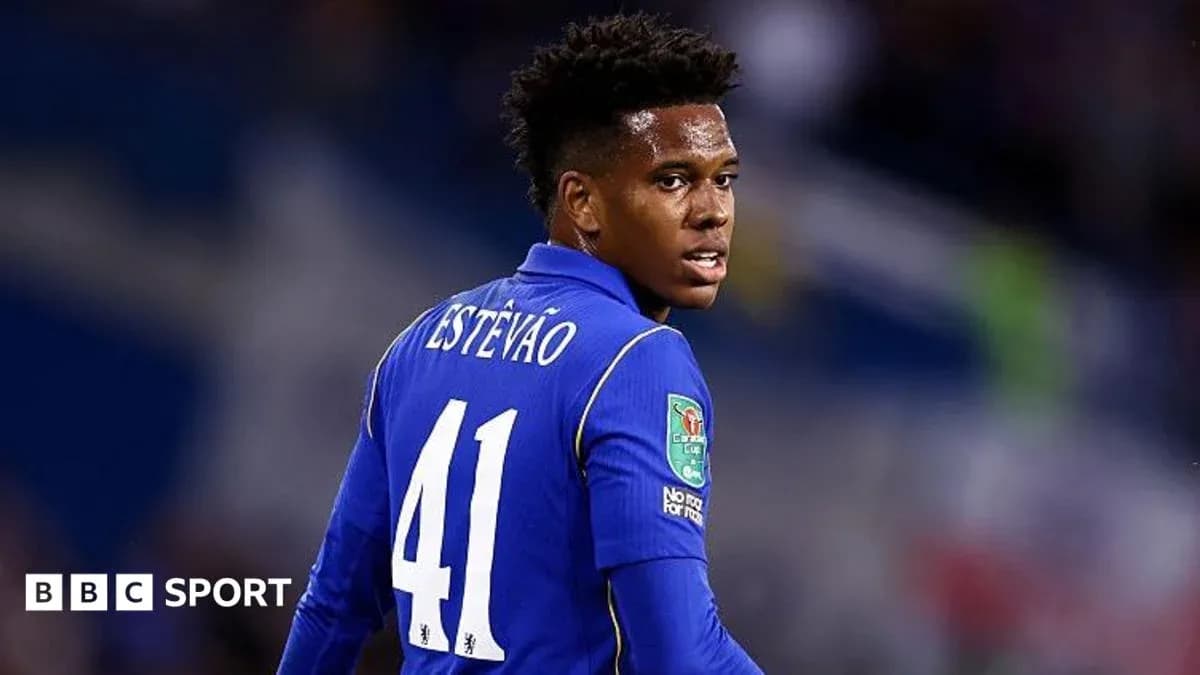
Estevao Willian cut inside, shaped his body and whipped a curling shot towards the far corner. David Raya flew, fingertips strong, and Arsenal’s lead survived.
The ball stayed out. The message did not.
For Chelsea and for Xabi Alonso, that late flash from the 19-year-old Brazilian was a sharp reminder: there is a serious talent waiting in the wings, even if the door has barely opened for him so far.
A £51m talent on the fringes
Estevao arrived from Palmeiras for £51m with the kind of billing that usually guarantees a fast track to the spotlight. Instead, the spotlight has lingered elsewhere.
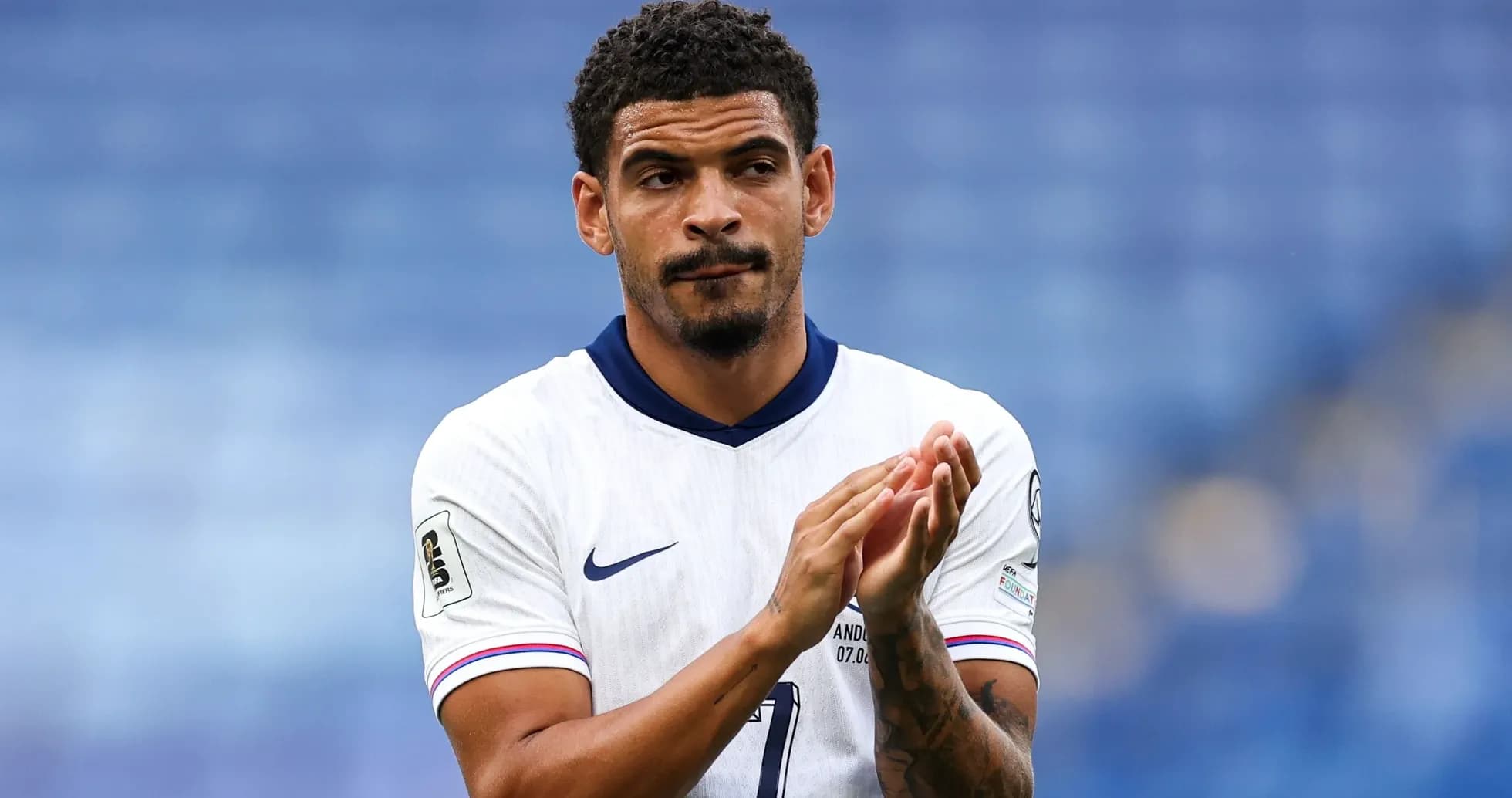
Chelsea smashed their transfer record to bring in Morgan Rogers from Aston Villa for £117m. Cole Palmer has picked up where he left off. Joao Pedro has quickly become central to Alonso’s attacking structure. Between them, they have squeezed the minutes out of almost everyone around them.
Estevao’s season so far? Just 96 minutes. Eighty of those came in the Carabao Cup against League One side Luton Town. The rest have been short cameos: 16 minutes spread across the bench against Fulham and Arsenal in the Premier League. He did not get on the pitch at all when Chelsea edged Brighton in their third league match.
For a teenager used to being the focal point, that sort of rationing naturally fuels speculation. Reports in Brazil have suggested he is unhappy with his role. Inside Stamford Bridge, the response has been blunt: not true.
People close to the player, and sources at the club, have pushed back against the idea of frustration turning into a problem. Some have even spoken with genuine enthusiasm about Chelsea’s summer rebuild and the level of competition it has created, including the arrival of Rogers.
‘I count on Este 100%’
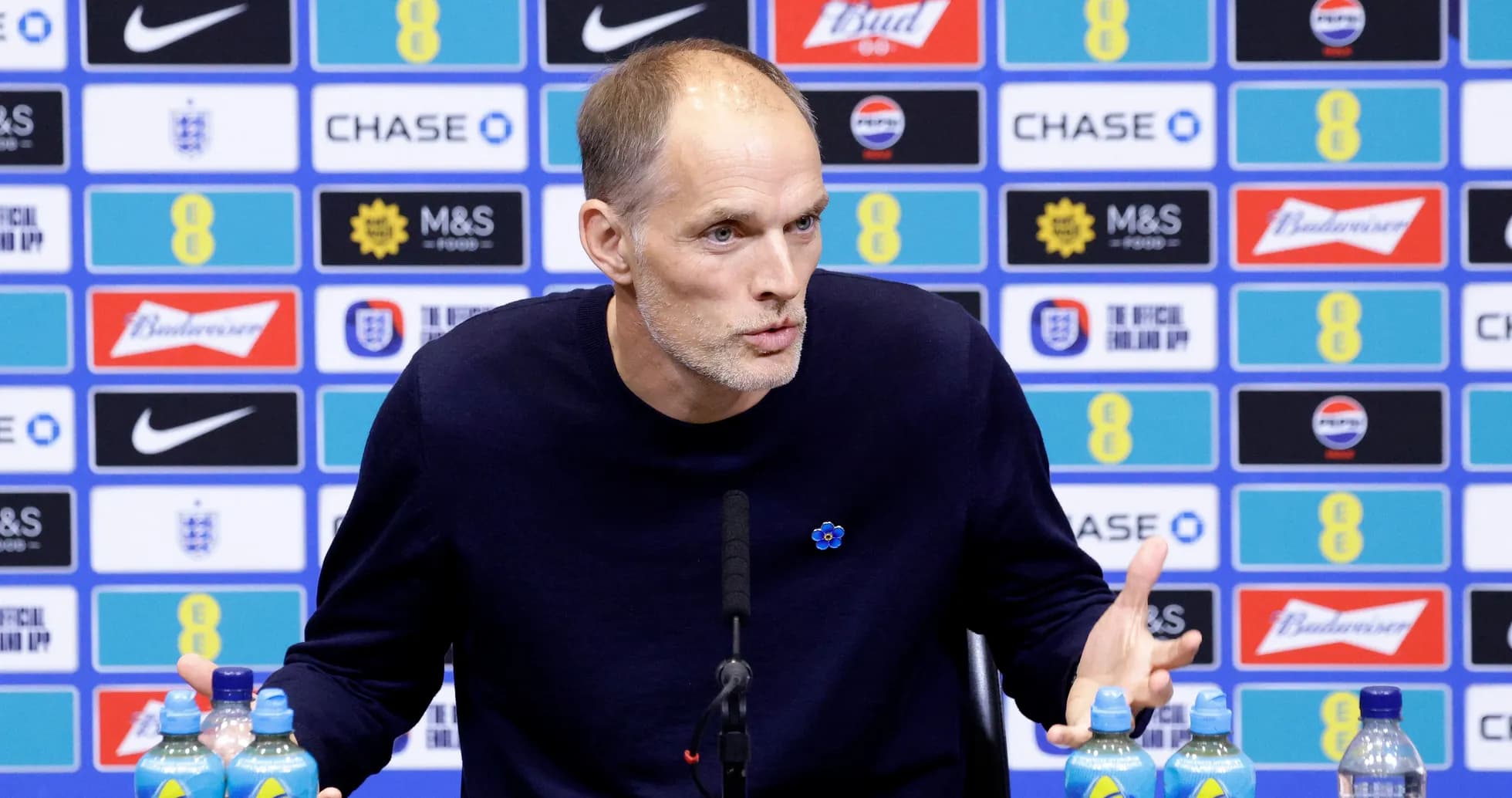
Alonso has been equally clear in public. Asked if Estevao’s lack of involvement meant he was unsettled, the head coach brushed the idea aside.
“No, Este is ready, training well. The other day he had a great impact,” he said. “He is fully involved with a very good attitude every day. I count on Este 100% because of his potential. He is so young but he is learning and adapting quickly. The season is long.”
That last line matters.
Estevao is coming off a serious grade-four hamstring tear suffered late last season, an injury that cost him a place at the World Cup and forced a careful plan for his return. Chelsea always expected his involvement to build gradually.
Even so, his usage on Sunday underlined the unusual nature of his situation. He came on for Pedro Neto, who has been operating as a wing-back in Alonso’s new system. For a slight, creative winger still finding his feet in English football, that is a demanding role, full of defensive work and physical duels. It is hard to imagine many other scenarios where Estevao would be asked to do that job.
The reason is simple: his natural home is higher up, in the inside-right channel. The problem is equally simple: that space belongs to Palmer.
Palmer’s grip on the No 10 role
Alonso sees Palmer not just as a key attacking weapon but as a leader in the dressing room. Dropping him is not on the agenda.
When Chelsea have switched to a back four, Estevao and Palmer have shown encouraging signs together, dovetailing in those tight pockets where games are decided. But Alonso has only gone with that shape once this season, again against Luton in the Carabao Cup.
In the league, Palmer’s grip on the inside-right No 10 role is firm. Breaking that from the bench, in snatched appearances, is a brutal assignment for any young attacker, let alone one adapting to a new country and recovering from a major injury.
Alonso’s selection policy has been ruthless by design. With no European football to stretch the schedule, he has consistently fielded close to his strongest XI even in the Carabao Cup. The logic is obvious: a new head coach wants his principles ingrained as quickly as possible. Rotation, for now, is a luxury.
A crowded, restless squad
Estevao is not the only one feeling the squeeze. Chelsea’s squad stands at 27 players. That is a lot of egos and a lot of careers to keep moving.
Palmer and Rogers have started every match. Joao Pedro has begun all three league games. Danny Welbeck, the seasoned striker, led the line against Luton, which meant summer signing Emmanuel Emegha, brought in from Strasbourg, has barely featured. He has made the bench once and is still waiting for his debut.
At the back, Aaron Anselmino is in a similar position: one squad appearance, no minutes, with fitness management a factor. Other attacking options have hardly been more involved. Geovany Quenda has played eight minutes across four matches. Jamie Gittens has had 10. Quenda, signed amid interest from Manchester United in 2024, has been left out of two of Alonso’s matchday squads entirely.
Even the injuries elsewhere have not opened many doors. Moises Caicedo and Jordan Henderson have both had fitness issues, leaving Chelsea light in midfield at times. Yet new signing Valentin Barco has managed only one start and one substitute appearance, while right-back Malo Gusto has been pushed into midfield instead. Wing-back Marco Palestra remains sidelined.
If Chelsea had everyone fit, Alonso would be forced to leave six outfield players out of every matchday squad. In a league where managers can name 11 starters and nine substitutes, that is a harsh reality.
History points to a core, not a cast of thousands
The numbers from recent seasons back up Alonso’s approach. Successful teams without European commitments tend to lean on a tight core of players, not a rolling cast.
Leicester City’s 2015-16 title win came with just 14 players making more than 15 appearances in all competitions under Claudio Ranieri. When Antonio Conte led Chelsea to the Premier League crown the following year, again without Europe, only 13 players logged more than 1,500 minutes.
Even with the modern allowance of five substitutions, the pattern has held. Newcastle United’s run to Champions League qualification in 2022-23 saw only 14 players pass the 1,500-minute mark. Manchester United, after finishing third last season without European football, used just 13 players for more than 1,500 minutes across all competitions, exiting both domestic cups early.
The lesson is stark. Without midweek fixtures piling up, managers trust a core group and rarely deviate from it.
For Estevao and others on the periphery, that makes cup football critical.
Leeds, the Carabao Cup and a window of opportunity
All of which brings Wednesday night into sharp focus. Chelsea host Leeds United in the Carabao Cup. On paper, it is an early-round tie in a secondary competition. In reality, it might be one of the most important games of the season for a cluster of players.
If Chelsea lose, their next cup fixture will not arrive until the FA Cup in January. Four months with only the league to juggle. Four months with limited rotation and a long list of players fighting for scraps.
If they win, the Carabao Cup stays alive as a pressure valve and a platform. Minutes open up. Roles can grow from cameos into arguments Alonso cannot ignore.
Estevao’s late strike at Arsenal did not bring Chelsea a point. It did something else. It hinted at what is waiting if he gets the chance to play more than a handful of minutes at a time.
The season is long, as Alonso keeps saying. The question now is whether it will be long enough, and busy enough, for one of Chelsea’s “untouchables” to truly step out of the shadows.