Egypt makes World Cup history with penalty win over Australia
Hossam Abdelmaguid walked alone from the halfway line, 18 years old and carrying decades of Egyptian frustration on his shoulders. One clean strike later, he was at the bottom of a red-and-white pile, Mohamed Salah was in tears, and Egypt had stepped into territory they had never reached before: the last 16 of a World Cup.
They did it the hard way. They usually do.
In front of a roaring, partisan crowd of around 70,000 at the air-conditioned home of the Dallas Cowboys, Egypt edged past a stubborn Australia 4-2 on penalties after a draining 1-1 draw over 120 minutes in Texas. It was not pretty. It was not polished. It was history.
Egypt hold their nerve as Australia crack
Tony Popovic played his final card just before the shootout, sending on veteran goalkeeper Mathew Ryan in a late gamble designed for this very moment. The Socceroos then had to walk towards a wall of Egyptian colour and noise, whistles cutting through the stadium as each Australian took that long, lonely stroll.
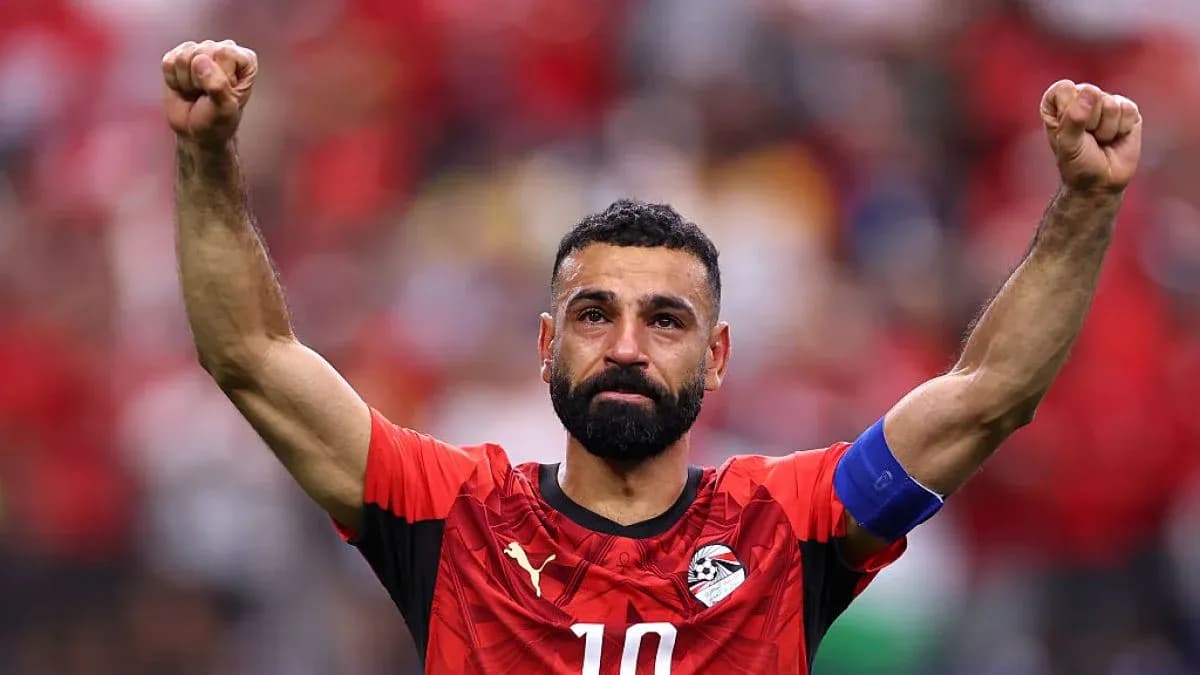
Harry Souttar went first. He lashed his penalty over the bar, a defender’s nightmare, and Australia were immediately chasing the contest. The next five takers were flawless. Salah, subdued for almost the entire evening, strolled up and rolled in the coolest of penalties, a reminder that even on an off night his nerve remains elite.
Then came Lucas Herrington. Just 18, just as exposed as Abdelmaguid would be moments later. His effort crashed against the bar and flew away, opening the door for Egypt. Abdelmaguid did not flinch. One step, one swing, and he buried his kick to send the Pharaohs through and break Australian hearts.
Salah, 34 and patched up after a hamstring strain, sank to his knees in tears. This was not his finest performance. It might be one of his most important.
A nervy start, a precious lead
The evening had threatened to unravel for Egypt long before the shootout drama. They arrived with the burden of opportunity, having already claimed their first ever World Cup win in the group stage against New Zealand. Now a place in the last 16 was within reach for both sides, neither of whom had ever won a men’s World Cup knockout match.
Australia almost struck first. With less than five minutes gone, Cristian Volpato – who switched allegiance from Italy to Australia on the eve of the tournament – rattled the top of the crossbar with a rising effort that had Mostafa Shobeir beaten. It was a warning, and Egypt looked rattled at the back.
Then, almost out of nowhere, Hossam Hassan’s side landed the first punch.
Nestory Irankunda switched off at the back post, losing track of Emam Ashour. Karim Hafez swung in a teasing cross and Ashour, timing his run perfectly, powered a header home after 13 minutes. It was his second goal of the tournament and it flipped the game on its head.
Australia, who had scored only twice in the group phase, suddenly had to chase. They struggled. Their first effort on target did not arrive until 10 minutes before half-time, Aziz Behich tamely shooting at Shobeir, whose father Ahmed had kept goal for Egypt at the 1990 World Cup.
Salah muted, Australia bruising
If this was supposed to be Salah’s stage, the script did not cooperate. Marked tightly and clearly short of full sharpness after his hamstring problem, he barely influenced a bruising first half. Egypt’s coach had warned about Australia’s physical approach; he was right.
The half ended with Jordan Bos, one of the quickest players at this tournament, sprawled on the turf after a fierce flying challenge from Rabia. Bos could not continue and Kai Trewin replaced him at the break, a setback for Popovic’s side and a symbol of the attrition unfolding all over the pitch.
Seconds after the restart, Egypt should have tightened their grip. Omar Marmoush, the Manchester City attacker, slid a close-range effort wide when it looked easier to score. It felt like a moment that might linger.
It did.
Hany’s nightmare continues
The pressure from Australia had been building, their set-pieces carrying menace even when their open play did not. Egypt’s vulnerability under the high ball resurfaced just after half-time.
From an in-swinging free-kick, Mohamed Hany, under heavy pressure, misjudged the flight and glanced a header into his own net. It was his second own goal of the tournament, a cruel twist for a defender already living through a personal nightmare on this stage.
That equaliser changed the mood instantly. Australia sensed vulnerability. Egypt, who had led slightly against the run of play, suddenly looked unsure again. Both sides knew what was at stake, and both felt it.
From there, the game tightened. Chances thinned. The clock dragged.
Extra time, then destiny from the spot
Egypt gradually wrestled back control as normal time ticked away. Salah, still on the fringes, finally helped stitch together a late move that nearly won it. Australian goalkeeper Patrick Beach reacted superbly deep into added time to deny Ramy and force an extra 30 minutes.
By then, penalties were beginning to feel inevitable.
Egypt entered extra time stronger. Salah, on his weaker right foot, blazed over early on, another reminder that this was not his most clinical night. Yet Egypt were now winning more duels, holding more territory, and Australia were retreating into their shape, conserving energy and clinging on.
Neither side could find a decisive touch. Both were staring down the barrel of their first World Cup knockout win. Neither blinked until the shootout.
When it arrived, Egypt embraced the chaos. Souttar’s miss opened the door, Herrington’s miss blew it wide, and Abdelmaguid walked through it with the composure of a veteran.
Argentina – or Cape Verde – await
The reward is brutal and beautiful in equal measure. Lionel Messi’s Argentina are expected to be waiting in Atlanta in the last 16, provided the reigning champions avoid a seismic upset against tournament debutants Cape Verde in their last-32 tie.
Egypt will not care who emerges. They have already crossed a line no Egyptian side has stepped over before at a World Cup. They have done it with their captain far from his best, carried instead by a collective resilience, a teenage match-winner from the spot, and a group willing to suffer for every yard.
The Pharaohs move on, history made, nerves tested, belief growing. The next question is no longer whether they belong here.
It is how far this story can go.