Dortmund's New Stars: Konstantelias and Karetsas Shine Before Injury
Niko Kovac stood in front of the cameras and didn’t bother to play things down.
"These are two lads who can and will give us a different dimension here, and they showed that today," the Borussia Dortmund coach told Sky after the 2-0 win over Hamburger SV. On the opening night of the Bundesliga season, Giannis Konstantelias and Konstantinos Karetsas didn’t just debut. They detonated.
Not with circus tricks for the highlight reel, but with the kind of spectacular football that actually wins games at Signal Iduna Park – something that has too often gone missing in recent years.
Before kick-off, Kovac had already hinted at what was coming. The new arrivals, he said, give Dortmund what many have been crying out for: spectacle with purpose. Technically gifted, brave on the ball, and ready to take risks in tight spaces. Ninety minutes later, his words had a face. Two, in fact.
A New Dimension Between the Lines
The change is easy to pinpoint. Dortmund have lost Julian Brandt to Ajax Amsterdam, but in Konstantelias and Karetsas they have found two players who can do much of what Brandt did – and then twist the dial a notch higher.
Both Greeks arrived from smaller European leagues. Both immediately showed why BVB were prepared to trust them with the keys between the lines. They don’t just knit attacks together; they ignite them. From a standing start, from seemingly dead positions, they generate speed and chaos in a way Brandt rarely managed.
They are more proactive, more vertical, more ruthless in those pockets of space between midfield and defence. One feint, one touch, and suddenly the match situation is different. Again and again.
Against HSV, the first half belonged to them.
Karetsas and Konstantelias constantly drove Dortmund forward, drifting, rotating, dragging Hamburg’s midfield all over the place. The 21-year-old Konstantelias built on the flashes he had shown in the Super Cup defeat to Bayern Munich. This time, he stretched those moments into a full half of football that electrified the stadium.
His close control at full tilt was outrageous. He glided past opponents, changed direction in a heartbeat, and did it all with a fluidity that made defenders look heavy-legged and late. Off the ball, he snapped into duels, pressing aggressively. One ball win in midfield after half an hour drew a roar from the stands that sounded more like a goal celebration than a simple tackle.
The goal came soon enough.
Konstantelias Lights It Up – Then Crumples
Just before the break, Konstantelias crowned his league debut. Cutting in, he shaped to go far corner, then whipped a no-look effort towards the near post. A Hamburg defender’s deflection helped, but the idea, the audacity, belonged entirely to him. It was 2-0, and Signal Iduna Park was on its feet.
"First half top, it was perfect. We implemented everything we wanted to implement," defensive leader Waldemar Anton told Sky, almost purring as he described Dortmund’s opening 45 minutes.
After barely 100 minutes in black and yellow across two competitive matches, Konstantelias looked like the kind of player who could own this stadium for years. The crowd had already taken to him. You could feel it. Every touch, every feint, every sprint carried a murmur of expectation.
Then, just as he went hunting for his second goal, the night twisted.
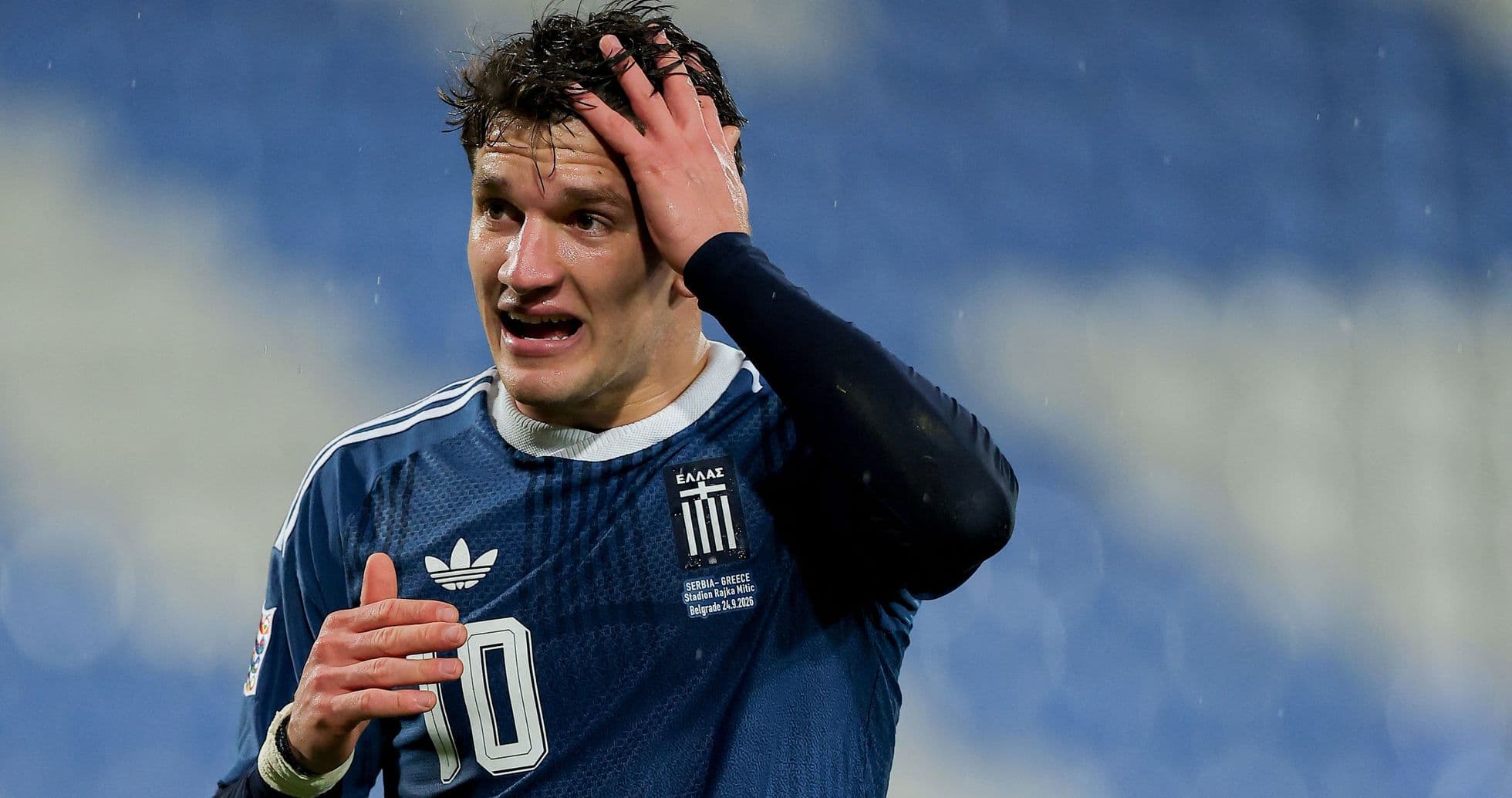
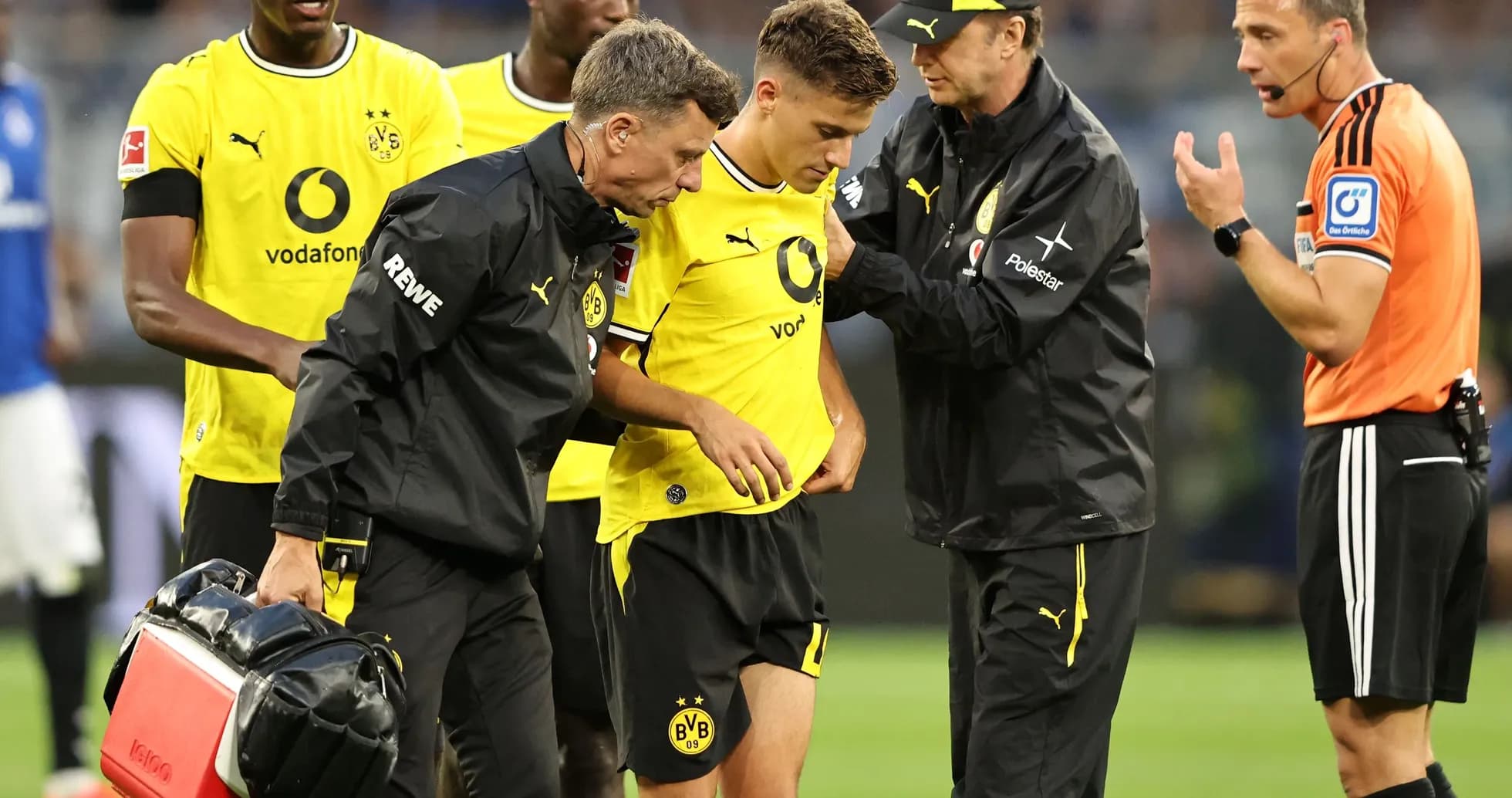
Early in the second half, Konstantelias planted his leg awkwardly in a challenge. His knee buckled. He sank to the turf and stayed there. The stadium noise dropped a level. When he limped off in the 54th minute, his expression told its own story: he feared the worst.
Inside the club, that fear is real.
"Of course, we should be a little bit careful today about what we communicate. But we are certainly concerned about a more serious injury," sporting director Ole Book admitted on Sky. Asked directly about a possible cruciate ligament tear, he didn’t dodge it: "That concern is there."
Kovac sounded just as worried afterwards. "We will have the examination on Sunday. But at least it doesn't sound good from what the doctor told me," the coach said. The mood around Dortmund’s win had already shifted.
If the tests confirm a long-term absence, it would be a brutal blow. For Konstantelias, who had announced himself in Germany with such verve. And for a Dortmund side that looked transformed with him on the pitch.
Without Konstantelias, the Spark Fades
The difference was immediate. Once Konstantelias left, BVB lost some of their fluidity. HSV improved, no question, but Dortmund also lost a chunk of their unpredictability and mobility in the final third.
The 26-million-euro signing had already shown how much he sharpens Borussia’s attack. Without him, everything became more laboured, more predictable. Passes went sideways instead of through the lines. The tempo dipped.
Hamburg captain Nicolai Remberg summed up the first half from his side’s perspective. "When Dortmund play from right to left, play into the spaces in between, then first of all you do a lot of chasing and don't really manage to get into the press. That was our problem," he told Sky. The players responsible for that problem were clear: Konstantelias and Karetsas.
The two Greeks constantly swapped positions, always on the half-turn, always ready to receive under pressure. Their control was immaculate, their decision-making sharp. They kept Dortmund’s play between the lines at an extremely high level, fast and precise.
"Brutal," was Anton’s verdict on the duo. "The mobility they have, how dangerous they are, that is a great quality at that age and we need that for the future as well. I am glad we have them with us."
Which is why the thought of Karetsas having to go it alone for months, without his ideal partner, feels like such a waste – for Dortmund and for the league.
Book, who had pushed hard along with the club hierarchy to bring Konstantelias in, could barely hide his frustration. "I felt incredibly sorry for the lad. He has had a great presence here from day one, also in the dressing room. We all already like him very much. When you then play such a good first half and have to be substituted and something more serious is feared, it is just unbelievably annoying," he said.
The Replacement Puzzle: Sabitzer, Inacio, Beier… or Someone New?
Kovac’s first reaction was pragmatic. For Konstantelias, he sent on Marcel Sabitzer. The Austrian is reliable, tactically disciplined, and strong in duels. But he does not bring the same verve, the same ability to bend a game from a standing start. Dortmund’s attack lost a layer of imagination.
On paper, Samuele Inacio looks like the closest profile in the squad. The 18-year-old is an attacking midfielder with flair and courage on the ball. Against HSV, though, his cameo ended almost before it began – a lightning red card and an early walk back to the dressing room. Talent is not the question. Readiness at this level might be.
Maximilian Beier is the more experienced option, but using him centrally between the lines would force Kovac to rip up another part of his plan. The Germany international was earmarked for one of the flanks. Move him inside and you open a new hole out wide.
Time is not exactly on Dortmund’s side. The transfer window closes on Tuesday, 1 September, at 8pm. Three days to decide whether this is a problem they can solve internally or whether they need to dive back into the market.
Sporting managing director Lars Ricken kept the line tight – at least in public. "Depending on how serious the injury actually is, we will align our next steps accordingly. But one thing is certain: over the next three days, we are not planning anything," he said.
The key word there is "depending". Inside the club, contingency plans are already being weighed.
Jadon Sancho: A Familiar Answer to a New Problem?
One potential solution has already slipped away. Said El Mala, the player Dortmund wanted before landing Konstantelias, has extended his contract with 1. FC Köln. That door is shut.
Another name, though, refuses to disappear from the Dortmund orbit: Jadon Sancho.
On paper, he fits. Like Konstantelias and Karetsas, Sancho can create dynamism from a standing start. He can beat a man, accelerate a move with a single touch, and unpick deep defences. He knows the club, the stadium, the expectations. At Dortmund, he played the best football of his career.
Since his contract at Manchester United expired, the 26-year-old has been without a club and would be available on a free transfer. Financially, the risk would be manageable – provided Sancho accepts a significant pay cut for what would be a third spell at BVB.
The sporting question is more complex. Can he get anywhere near the level he once had here? His recent loans at Chelsea and Aston Villa were, by general consensus, disappointing. The explosiveness faded, the end product dipped, the joy seemed to drain from his game.
And yet: if Konstantelias is ruled out for months, Dortmund will be missing exactly the sort of player Sancho once was for them. A winger or playmaker who doesn’t just participate in attacks but changes their direction with one moment of clarity or courage.
For now, all eyes turn to the scan room and the verdict on Konstantelias’ knee. Dortmund have seen enough in a single half of Bundesliga football to know what they stand to lose.
The question now is simple and brutal: can this new, more daring version of BVB survive a major blow before the season has even really begun – or will it need one more bold move in the transfer market to keep the vision alive?