Dortmund's New Star Konstantelias Faces Crucial Injury Setback
Niko Kovac stood in front of the cameras on Saturday night and could hardly hide his delight.
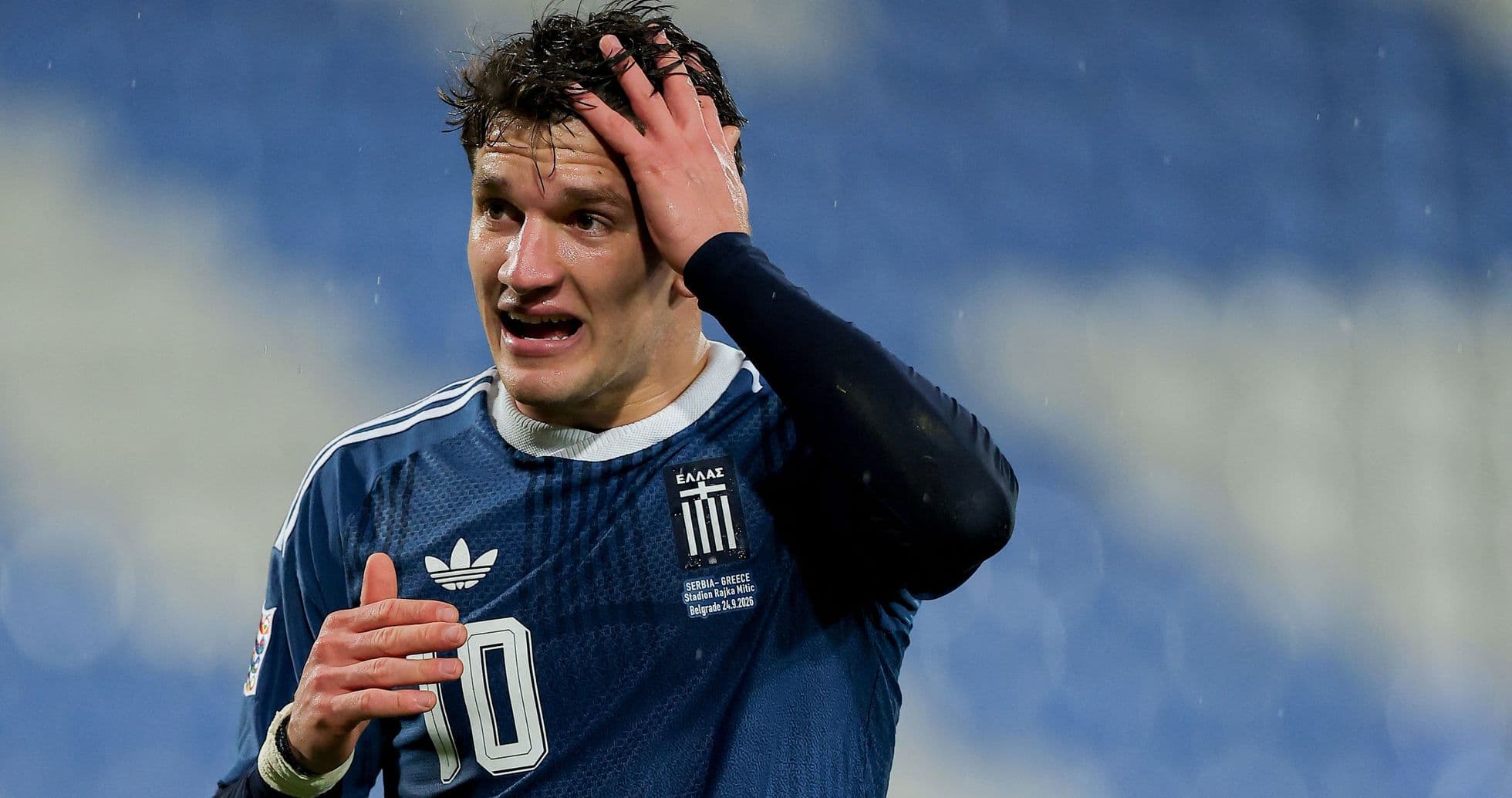
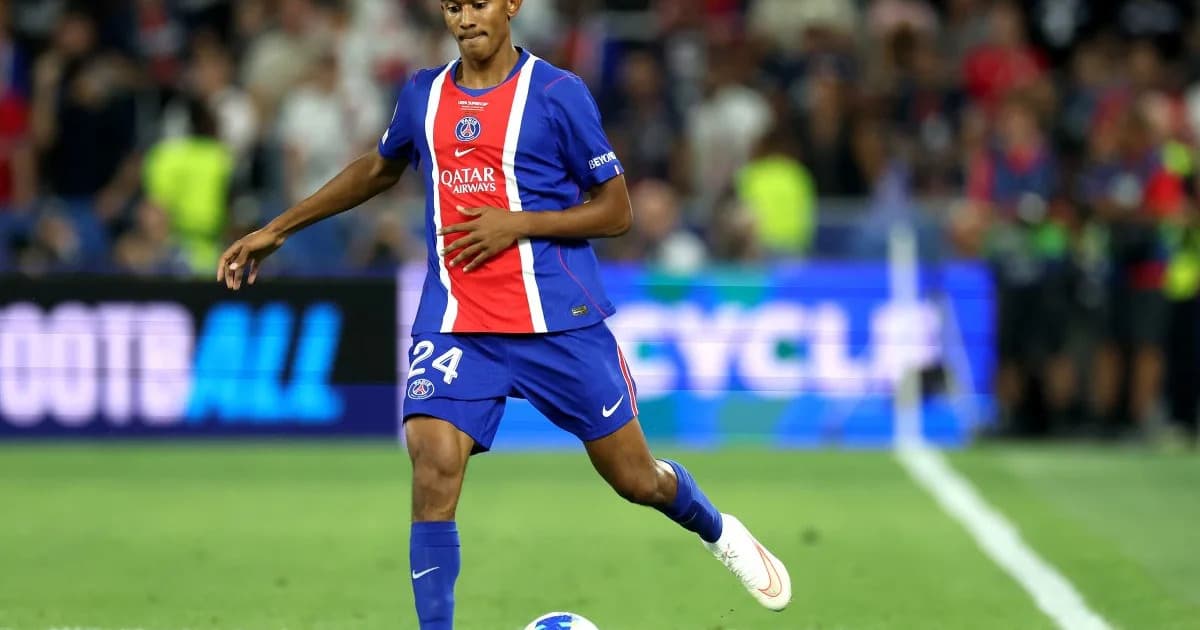
“They are two lads who can bring us a different dimension here, and will do too – they showed that today,” the Borussia Dortmund coach said on Sky after the 2-0 win over Hamburger SV. He meant Giannis Konstantelias and Konstantinos Karetsas, the two Greeks who turned their Bundesliga debuts into a statement.
For 45 minutes, Signal Iduna Park saw something it has often missed in recent seasons: football that was not just spectacular, but spectacular with purpose. Risk with reward. Flair that fed the team, not the highlight reel.
Kovac had hinted at it before kick-off. The squad, he said, now had the kind of players “many perhaps also demand: spectacular things.” Against HSV, that promise exploded into life.
A new dimension without Brandt
The “different dimension” was obvious. Dortmund have lost Julian Brandt to Ajax Amsterdam, but in Konstantelias and Karetsas they have found two players who can do much of what Brandt did between the lines – and then add something extra.
Both arrived from smaller European leagues. Both play with their heads up. Both can turn static situations into chaos for defenders. Where Brandt often thrived when the game was flowing, the two Greeks create that flow themselves, generating dynamism from a standing start and repeatedly punching holes between the lines.
They are more proactive, more vertical, more willing to break structure. For a Dortmund side that can drift into predictable patterns, that matters.
Konstantelias lights it up
Against HSV, the first half belonged to them. Konstantelias, in particular, picked up exactly where he had left off in the Super Cup defeat to Bayern Munich. His close control at full speed stood out again, his agility and the way he glided across the turf catching the eye from the first minutes.
He did not only shine with the ball. Around the half-hour mark, he snapped into a challenge in midfield, won the ball and sparked a transition. The crowd roared as if he had scored. It felt like a signal: this was not just a luxury playmaker.
Then came the finish to match the performance. Shortly before the break, Konstantelias made it 2-0 and marked his first Bundesliga goal. The shot took a deflection off a Hamburg defender, but the move oozed imagination. The Greece international had shaped for the near corner and finished with a no-look effort, the kind of detail that sends a stadium into raptures.
“First half, top – that was perfect. We implemented everything we wanted to implement,” defensive leader Waldemar Anton told Sky, summing up Dortmund’s display before the interval.
Barely 100 minutes into his BVB career, Konstantelias looked like the next crowd favourite in waiting. You could almost see the coming weeks: the tricks, the tight spaces, the rising noise every time he received the ball.
By Sunday afternoon, that vision had been ripped up.
The worst possible news
A day after the Bundesliga opener, Dortmund confirmed the diagnosis everyone had feared. Konstantelias suffered a cruciate ligament tear on his league debut and will be out for several months.
“This news hits us very hard because Giannis has already shown in a very short time why we see him as a great player for Borussia Dortmund,” said sporting managing director Lars Ricken. “For now, however, his focus and ours is on his recovery. Giannis has our full support in that.”
The concern had already crept in on Saturday night. Kovac admitted as much after the final whistle. “We have to talk about something more serious there. We will have the examination on Sunday. But at least it doesn’t sound good, from what the doctor told me,” he said.
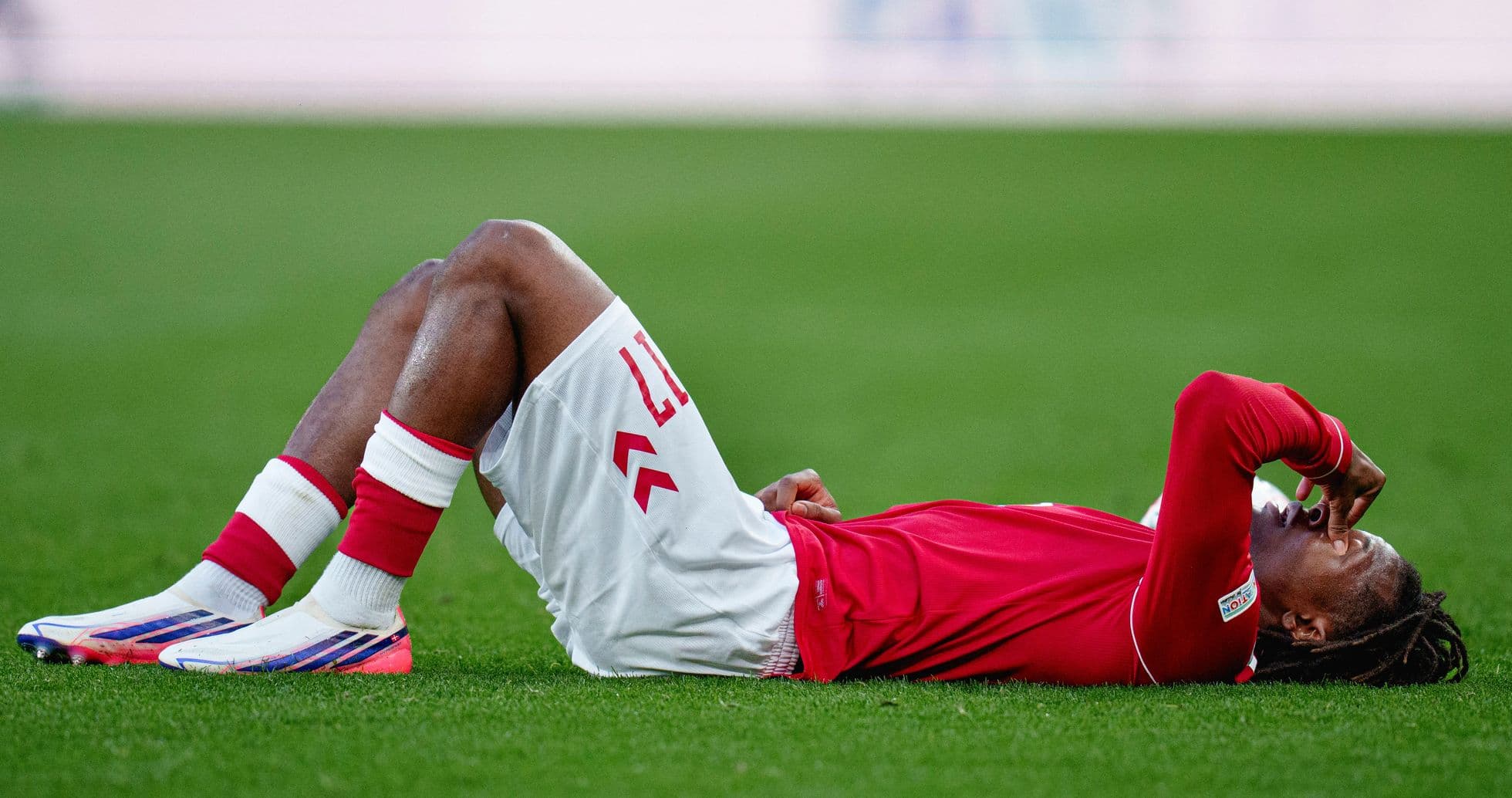
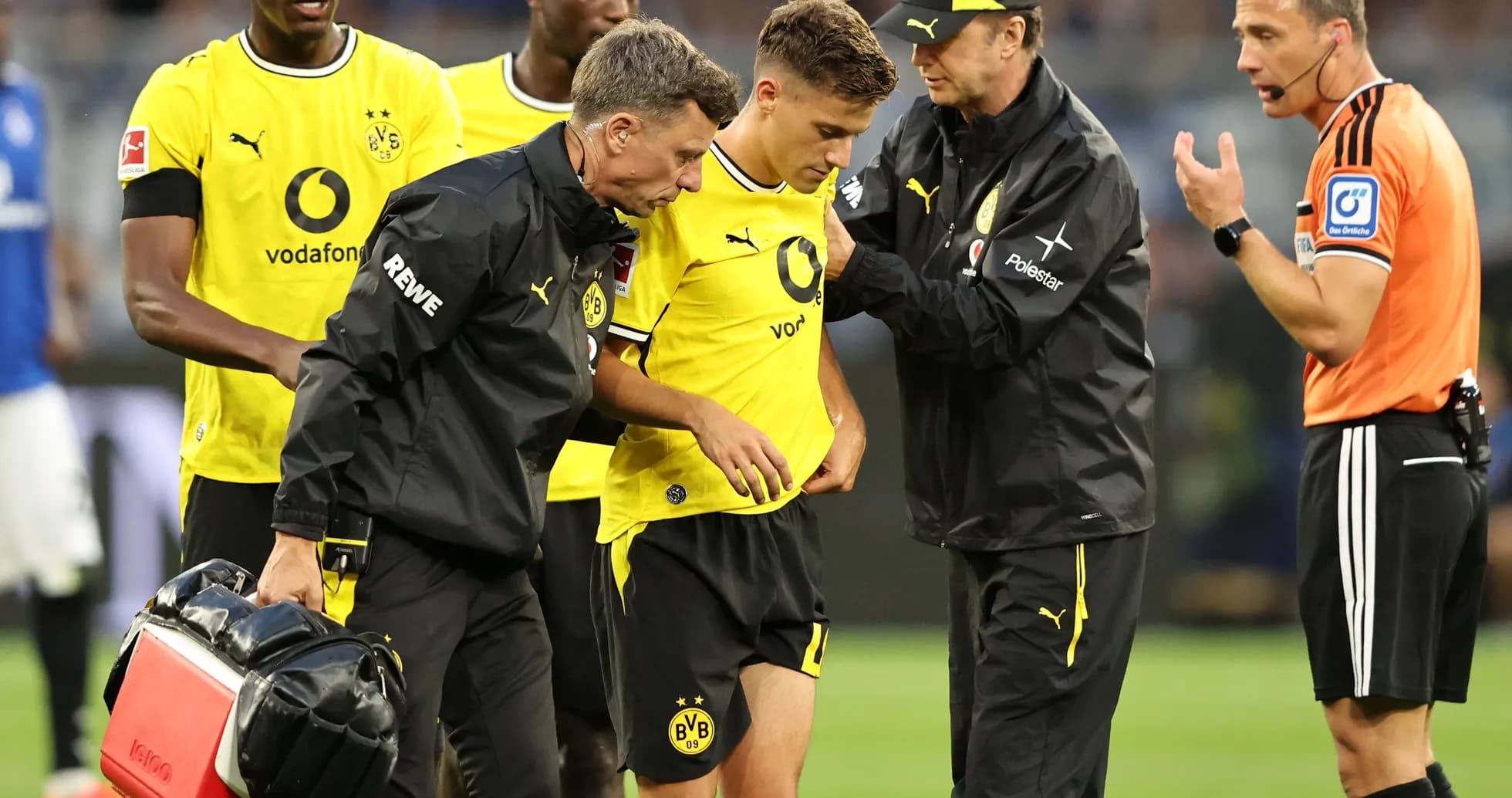
The injury came shortly after Konstantelias had narrowly missed his second goal. In an awkward movement during a challenge, his knee gave way. He stayed down, then left the pitch in the 54th minute, visibly distraught. The contrast with the first half could hardly have been harsher.
For the 26-million-euro signing, the blow is personal and profound. For Dortmund, it is tactical and emotional. The club expects him to be out until well into spring 2027. A season that had just gained a new leading man has lost him almost immediately.
Dortmund lose their spark
In the second half against HSV, the difference was clear. Hamburg improved, but Dortmund also lost a chunk of their dominance because so much of their mobility and creativity walked off with Konstantelias.
The attacking patterns became more sluggish, the play between the lines less sharp. HSV captain Nicolai Remberg explained his side’s first-half problems on Sky: “When Dortmund play from right to left, play into the spaces in between, then first of all you do a lot of chasing and don’t really manage to get into the press. That was our problem.”
The two Greeks had been the reason. Konstantelias and Karetsas rotated constantly, drifting into pockets, demanding the ball in tight spaces and keeping the tempo high with clean first touches and instant decisions. They turned the central zone into a playground.
“Brutal,” was Anton’s verdict on their performance. “The mobility they have, how dangerous they are – that is a huge quality at that age and it is something we need for the future as well. I’m glad we have them with us.”
Now Karetsas suddenly finds himself without his ideal partner.
The replacement puzzle
From Dortmund’s perspective, one question dominates: how do you replace Konstantelias’ profile?
“I felt incredibly sorry for the lad. From day one here he has had a terrific presence, also in the dressing room. We all already like him very much,” said sporting director Ole Book, who had watched the injury to the player he and the club hierarchy had absolutely wanted with a worried expression.
On Saturday, Kovac turned to Marcel Sabitzer as the replacement. The Austrian brought stability, but not the same imagination. In pure positional terms, Samuele Inacio would be the closest like-for-like option. The 18-year-old, however, made headlines of the wrong kind against HSV, seeing a lightning red card shortly after coming on. His talent is undisputed; whether he is ready to shoulder Konstantelias’ role is another matter entirely.
Maximilian Beier offers a more experienced solution. To use him centrally between the lines, though, Kovac would have to abandon his plan of deploying the Germany international on one of the flanks. That would open up a new gap on the wings.
And the clock is ticking. The summer transfer window closes on Tuesday, 1 September, at 8pm. Ricken had already hinted before the full extent of the injury became official that Dortmund might be forced to react. “Depending on how serious the injury actually is, we will shape our further steps accordingly. But one thing is certain: over the next three days we are not planning anything,” he said.
Plans, though, can change quickly when a season’s blueprint is torn up on matchday one.
Sancho back in the frame?
So who could realistically arrive this late as a direct replacement?
Said El Mala, once Dortmund’s preferred target before the Konstantelias deal, has extended his contract with 1. FC Cologne. That door is closed.
One familiar name, however, suddenly feels relevant again: Jadon Sancho.
On paper, the Englishman fits the role. Like Konstantelias and Karetsas, he can create dynamism from a standing start, beat opponents in tight spaces and inject unpredictability into static attacks. Speculation about a third Dortmund spell had been constant for weeks and months before quietening after the Greek duo’s arrival.
Sancho’s best football came in a BVB shirt. Since his contract at Manchester United expired, the 26-year-old has been without a club and would be available on a free transfer. Financially, that lowers the risk, though he would have to accept a significant pay cut to return.
The sporting question is more complex. Can he still reach the level that once made him one of Europe’s most feared wide playmakers? His recent loans at Chelsea and Aston Villa were largely underwhelming.
Dortmund now stand at a crossroads they did not expect to face this early. Do they trust the internal options, back Karetsas and the youngsters, and wait for Konstantelias to return? Or do they roll the dice once more on a former hero, hoping that in a familiar stadium, under familiar lights, Sancho can again become the player he once was?