Colorado Springs Edges El Paso in USL League One Cup Clash
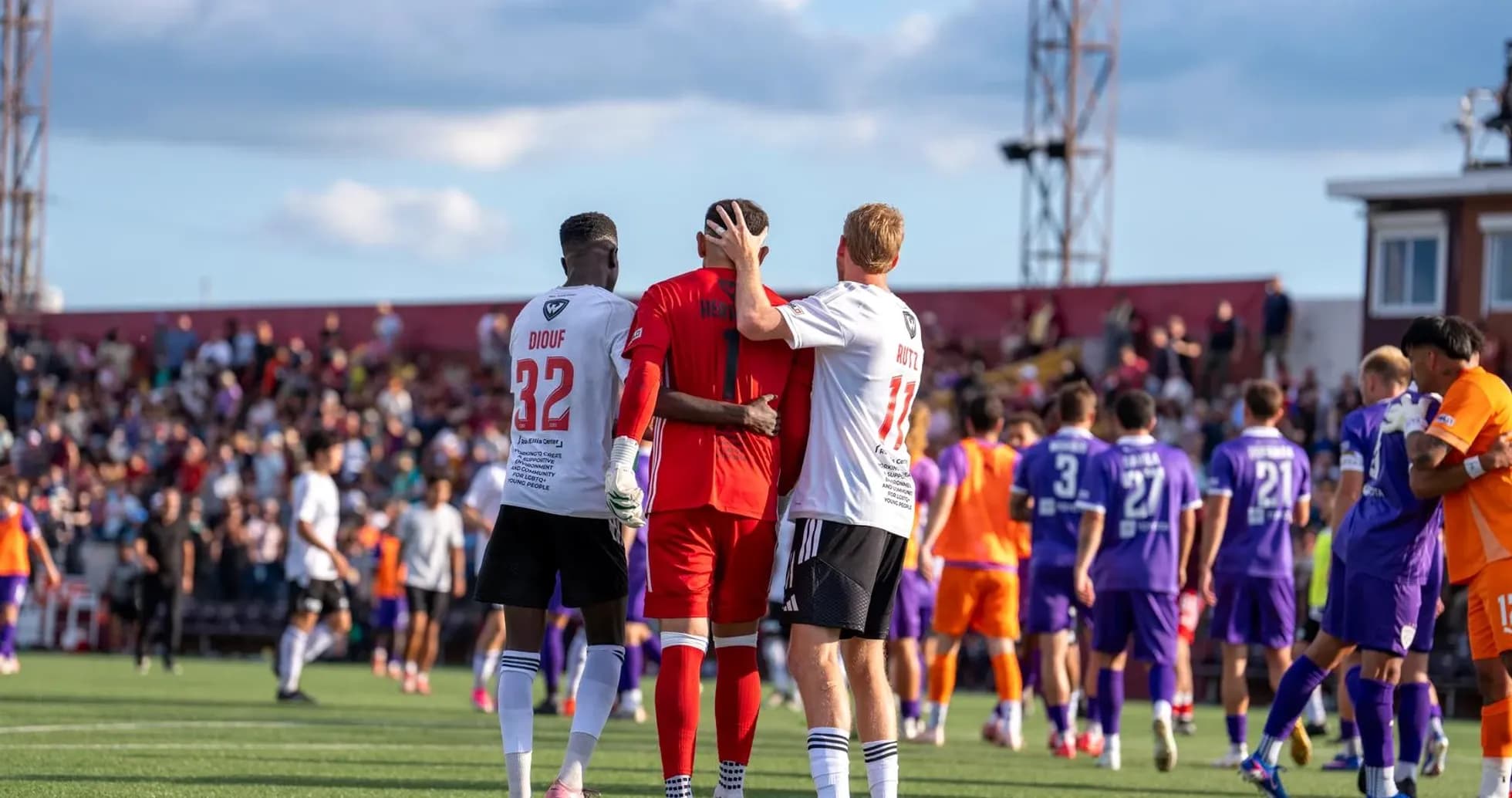
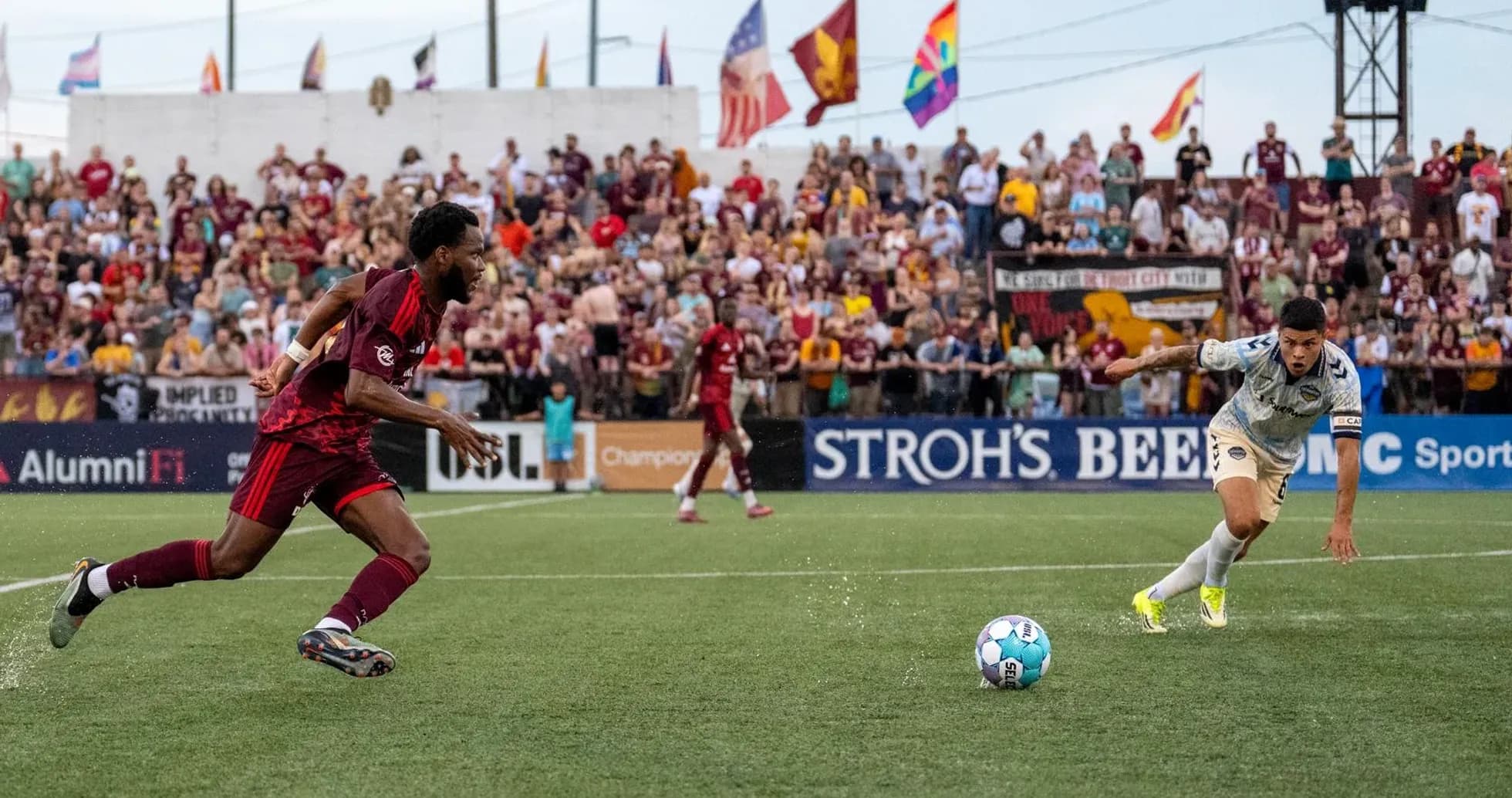
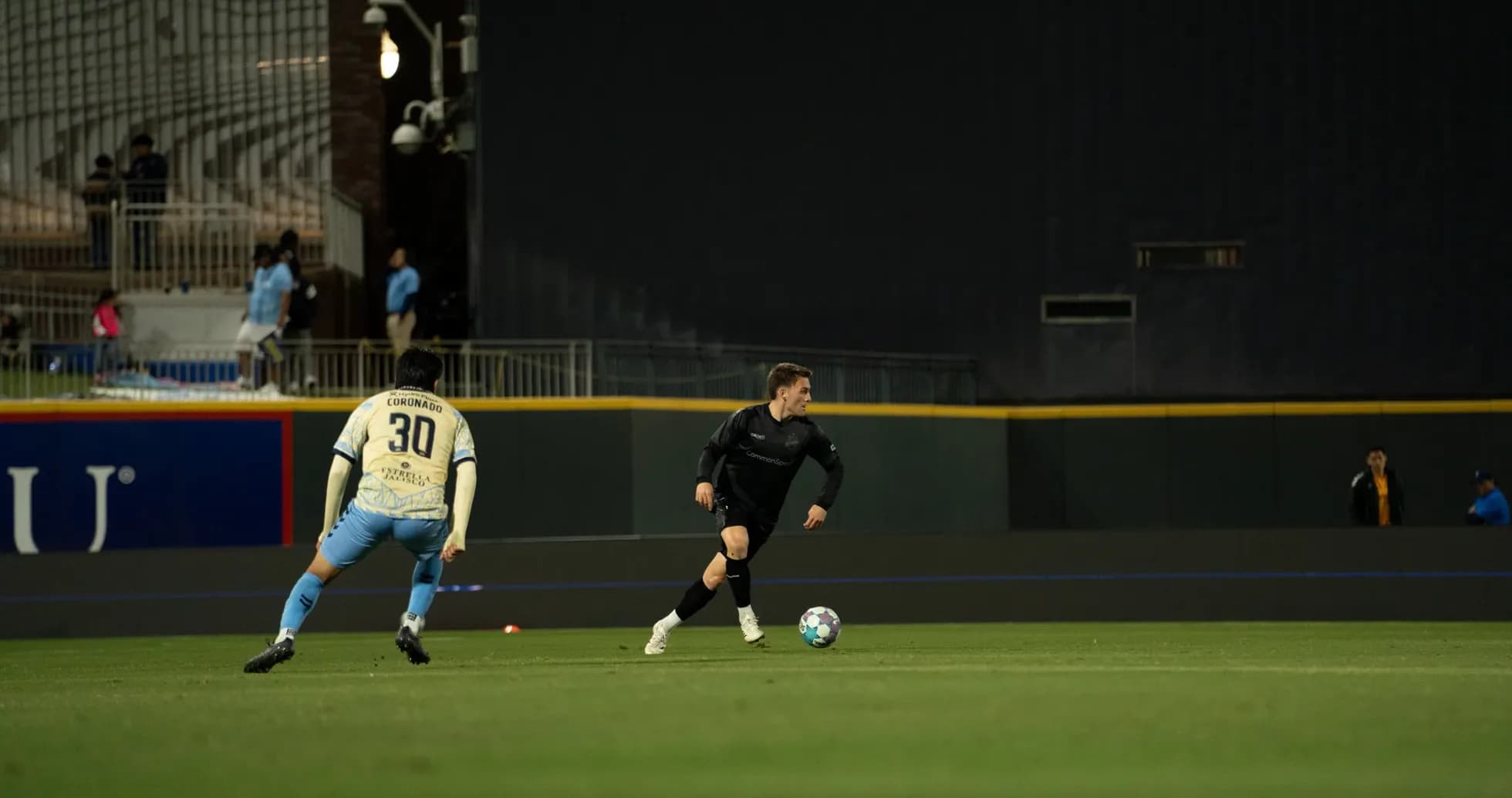
Under the lights at Weidner Field, this USL League One Cup Group 2 clash felt less like a routine group game and more like an early statement of intent. Colorado Springs, already top of the section, edged El Paso Locomotive 2–1, a scoreline that matched the broader story of the group: the home side just that bit sharper, just that bit more ruthless when it mattered.
Heading into this game, Colorado Springs had built a near-perfect group-stage profile. Overall they had played 3 matches, winning all 3, with 7 goals for and just 1 against. That gave them a total goal difference of +6, a figure rooted in balance rather than chaos: at home they had scored 6 and conceded 1; on their travels they had added another 1–0 win. El Paso arrived as the only plausible challenger, second in the group with 6 points from 3 matches, 5 goals for and 3 against for a total goal difference of +2. Their form line of “WWL” suggested a side in good rhythm but still vulnerable to a well-drilled opponent.
I. The Big Picture – Styles in Contrast
Colorado Springs’ seasonal DNA in this competition has been clear: front-foot at home, pragmatic away. At home they averaged 3.0 goals for and just 0.5 against, a blend of aggression and control that turned Weidner Field into a high-altitude pressure chamber. Across all venues their total scoring rate of 2.3 goals per game, set against only 0.3 conceded, framed them as the group’s most complete unit.
El Paso, by contrast, had been more open. Overall they averaged 1.7 goals scored and 1.0 conceded, with a split personality depending on venue: at home they scored 2.0 and conceded 0.0; away they scored 1.5 but allowed 1.5. On their travels, they tended to play in games that stretched, which suited their attacking talent but left their back line exposed.
The final 2–1 score in Colorado springs from that clash of identities: the hosts’ defensive parsimony holding just long enough for their more expansive home attacking game to tilt the margins.
II. Tactical Voids and Discipline – Edges in the Margins
With no recorded absentees, both coaches could lean into their strongest available cores. Alan McCann’s XI was anchored by C. Shutler in goal, with a defensive platform likely built around P. Burner, T. Maples, G. Metusala and A. Rocha. In front of them, the double presence of S. Williams and F. Daroma hinted at a midfield capable of both screening and stepping into higher zones, freeing the attacking trio of Y. Hanya, S. Masereka and J. Tejada to play aggressively between the lines.
Junior Gonzalez, for El Paso, answered with a technically capable spine: A. Romero in goal; a back line featuring A. Quezada, K. Twumasi, Tony Alfaro and R. Ruiz; and a midfield axis of E. Calvillo and D. Gomez, supported by the creative profiles of Gabriel Torres, A. Mendez and A. Moreno behind R. Rubin.
Discipline has been a quiet but important sub-plot in this group. Colorado Springs’ yellow-card timing profile shows a clear late-game edge: 22.22% of their cautions came between 61–75 minutes and another 22.22% between 76–90, with an additional 33.33% in the 91–105 range. This is a team that pushes the limits as matches stretch, willing to take tactical fouls to protect leads or break rhythm. Crucially, they had no red cards in any time band.
El Paso’s card distribution painted a more volatile picture. A full 50.00% of their yellows arrived between 31–45 minutes, with 16.67% between 61–75 and 33.33% in the 91–105 window. More tellingly, they had already seen a red card in the 16–30 range, a 100.00% share of their dismissals. That early-game flashpoint risk often forces tactical reshuffles and mental strain, especially away from home. While no specific cards from this match are listed, the pre-existing pattern framed Colorado Springs as the more controlled side under pressure.
III. Key Matchups – Hunter vs Shield, Engine Room vs Engine Room
Without explicit top-scorer data, the “Hunter vs Shield” duel is more conceptual than individual. Colorado Springs, as a unit, were the competition’s most efficient attack: 7 total goals from 3 matches, with 6 of those at home. El Paso’s defence, meanwhile, had conceded 3 in total, but all 3 had come away from home, at an average of 1.5 per away game. The shield clearly weakened on their travels.
In this match, the Colorado front line of Hanya, Masereka and Tejada represented that collective “hunter.” Their movement between the lines, supported by the forward thrust of T. Magee and the passing of Daroma, constantly probed the spaces around El Paso’s centre-backs Tony Alfaro and K. Twumasi. The 2–1 outcome suggests that, while El Paso’s back four resisted long spells of pressure, they could not fully contain the variety of runs and combinations the hosts produced.
In the “Engine Room” battle, E. Calvillo and D. Gomez were tasked with dictating tempo and shielding the El Paso defence. Across the group stage, El Paso’s overall concession rate of 1.0 per game – and 0.0 at home – owed much to their midfield’s ability to control central spaces. But away, with the game tilted by Colorado’s 3.0 home scoring average, that axis faced overloads and second-ball pressure from Williams, Daroma and Magee. The fact that El Paso still found a goal speaks to the quality of their own creative trio – Gabriel Torres, Mendez and Moreno – able to link with Rubin and exploit transitional moments.
IV. Statistical Prognosis and What the Scoreline Tells Us
If we layer the season-long numbers over this 2–1 result, the underlying story is coherent. Colorado Springs entered with a total goal difference of +6 (7 scored, 1 conceded) across 3 games; El Paso with +2 (5 scored, 3 conceded). A tight win for the hosts aligns with a likely xG picture in which Colorado created the higher volume and quality of chances, particularly at home where their attack historically surged, while El Paso remained dangerous enough in transition to keep the contest alive.
Colorado’s overall defensive record – just 1 goal conceded in 3 matches before this fixture – makes the single El Paso strike noteworthy, but not alarming. Conceding once against a side averaging 1.7 total goals per game is within a normal variance band. More importantly, the hosts once again outscored their visitors, reinforcing the idea of a side whose attacking ceiling is high enough to absorb the occasional defensive breach.
For El Paso, the narrow defeat will sting, but the broader prognosis is not bleak. Scoring away to the group’s standout defence, while limiting them to two goals, suggests their game model travels reasonably well. The concern remains that on their travels they concede at a rate – 1.5 per away game heading into this – that leaves little margin for error in knockout-style football.
Following this result, Colorado Springs look every inch the favourites their numbers suggest: a team with a ruthless home attack, a miserly defence, and the tactical maturity to manage game states even as the clock ticks into the tense final minutes. El Paso, meanwhile, leave Weidner Field having proven they can live with the group leaders, but also with a clear message: to close the gap, their away defensive structure must tighten, or their already potent attack must become even more clinical.