Cole Palmer's Journey: From World Cup Omission to England Squad
Cole Palmer is ripping through Premier League backlines again, and the obvious question hangs in the air: what on earth was Thomas Tuchel thinking last summer?
The backheel into Joao Pedro against Fulham. The cold, low finish under Bernd Leno. That sudden burst of pace before bending one past Brighton’s Bart Verbruggen from 20 yards. The clever drift to the touchline at Hull, waiting, waiting, then exploding past a defender to slide in Pedro once more.
This version of Palmer looks inevitable. Inevitable in the way he receives, turns, decides. Inevitable in the way defenders end up facing their own goal, chasing shadows. So how did he miss a World Cup?
The Palmer Tuchel Never Really Saw
The truth is brutal. The player England are watching now did not really exist last season.
Palmer’s numbers tell the story. Forty-two goal contributions for Chelsea in 2023/24. Thirty-two more in 2024/25. Then the cliff edge: just 14 in 2025/26, and only two in his final 12 games of that campaign. For a player who had become Chelsea’s attacking heartbeat, that collapse was glaring.
He never fully shook off the groin injury that wrecked the start of that season. Tuchel wasn’t ignoring this Palmer. He simply wasn’t seeing him. Not the one who had smashed four past Brighton the previous year. Not the one who tore PSG apart in the Club World Cup final, in that same New Jersey stadium now earmarked for the World Cup showpiece.
If Tuchel had been watching that Palmer in the spring, he would almost certainly have been on the plane to North America. Instead, the England manager tried to drag him out of his slump with minutes in the March internationals. It backfired.
Palmer looked a stranger in that 1-0 defeat by Japan at Wembley. The first touch that usually clings to his boot deserted him. The swagger evaporated. He moved like a man who’d gone upstairs and forgotten what he went for.
When asked if he regretted leaving Palmer at home for the World Cup, Tuchel was blunt.
“No,” he said. “I was very happy with the squad selection. I had a lot of sleepless nights [beforehand]. But I had not one sleepless night about our selection because I was more than seven weeks with this group of players, and they were nothing but fantastic.”
No softening. No caveat. No apology.
Back in the Fold, Numbers Back on the Board
Now Palmer is back where he always felt he belonged: in the England squad, called up for Nations League games against Spain, Croatia and Czechia in the 2026/27 campaign.
“He has his numbers back,” Tuchel said. “He has assists back. He has decisive goals back. So that’s why he’s in the squad, and I think he has a point to prove.”
You can see it in his movement. The easy sway of his hips as he scans for weak points. The way a simple drop of the shoulder sends a defender veering off down a cul-de-sac. Those short, sharp accelerations that cut through the idea he’s somehow languid or casual.
There is nothing casual about him now.
Is there another player quite like Palmer at the moment? His frame is deceptive: long limbs, sharp angles, a little awkward at first glance, like a stick insect with a plan. He doesn’t fit the textbook image of a No 10, yet his game is pure artistry. His creativity feels almost un-English, a constant on-the-fly problem-solver, stitching solutions into tight spaces.
For this England side, that difference is a weapon.
Foden Out, Palmer In – and a Warning
Palmer did not stroll back into this squad. He fought his way through heavy traffic.
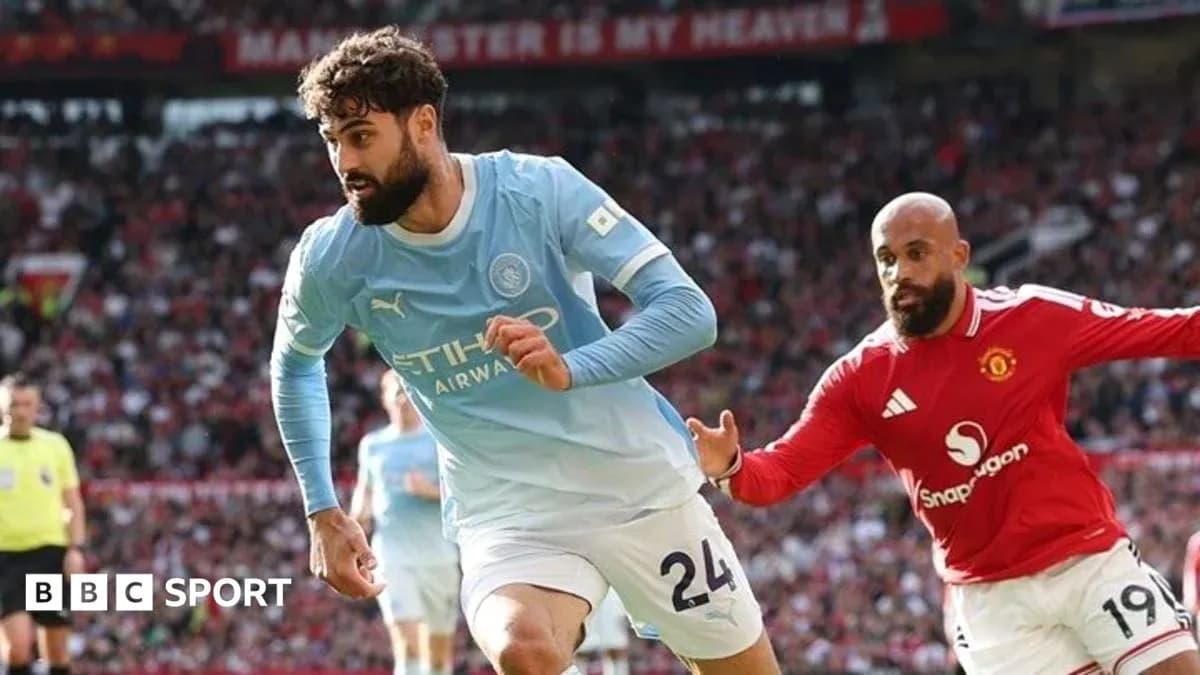
Phil Foden has been left out despite a bright start to the season, his red card in the Manchester derby not enough to overshadow his form but still part of the conversation. Fulham’s Joshua King was on the radar but didn’t make it. Morgan Gibbs-White has been outstanding for Nottingham Forest, central to their survival, yet still finds himself looking in from the outside.
Gibbs-White, Tuchel admitted, was especially “close”.
“We can see the form that Morgan is in and he ended the season very, very strongly, and was the key player for Forrest to not be relegated. We can see him stepping up now. But it makes no sense to nominate three, four, five No 10s. It just does not help anyone.”
Palmer has edged ahead. For now.
But Tuchel’s praise came wrapped in a warning, one he went out of his way to underline.
“It is one thing to be nominated, by the way, like with Cole, getting your ticket back in the squad. But it’s another thing to perform for England. Especially Cole, he needs to step up when he comes and needs to show these kind of numbers and these kind of performances to get his place, to keep his shirt, to justify the decision.”
Selection is just the door. Staying inside the room is the hard part.
The Next Step: Doing It in an England Shirt
This is the frontier Palmer has not yet crossed.
For all his club brilliance, his England record is modest: two goals and one assist in 14 appearances. He could fairly point out he has started only six of those games. The rhythm, the trust, the freedom he enjoys at Chelsea have not yet translated into the national shirt.
Now he has the platform. He is in form. He is fit. The groin problems that blunted him before the World Cup are gone. The frustration of being left at home has hardened into something sharper: motivation.
Tuchel, for his part, seems content with how that painful omission has shaped his player.
“The quality of Cole Palmer, we don’t need to talk about it,” he said. “But [he needs] to show it … There are steps to be taken. The first step is to be nominated. The second step is to fight and perform on the highest level for that shirt.”
Palmer has taken the first step back. The next one will define whether he becomes just another gifted Premier League playmaker, or the creative fulcrum England have been waiting for.