Chelsea's Struggles Continue as Brentford Dominates
Chelsea’s season took another ugly turn on Friday night. Beaten 3-0 by Brentford. Out-fought, out-thought and once again wide open at the back.
The scoreline was brutal, but the pattern is now painfully familiar. Chelsea have conceded at least two goals in all five of their Premier League games this season. Every week, the same story: a fragile defence, a system that looks easy to play through, and a manager running out of convincing answers.
Defence in pieces, attack goes missing
Alonso’s side arrived in west London with questions hanging over their defending. They left with those doubts amplified. Brentford repeatedly sliced through a back line that has looked uncomfortable in his preferred three-at-the-back setup, and Chelsea never found a way to stem the flow.
Up the pitch, the one area that had offered early-season optimism suddenly went flat. The revamped attack, which had started the campaign brightly, barely laid a glove on Brentford. No cutting edge, no sustained pressure, no goal.
The absence of Joao Pedro, sidelined with a knee problem, exposed a deeper issue. Without their main striker, Chelsea looked short of variety and short of ideas. The system stayed the same, but the threat vanished.
Redknapp points to the bench
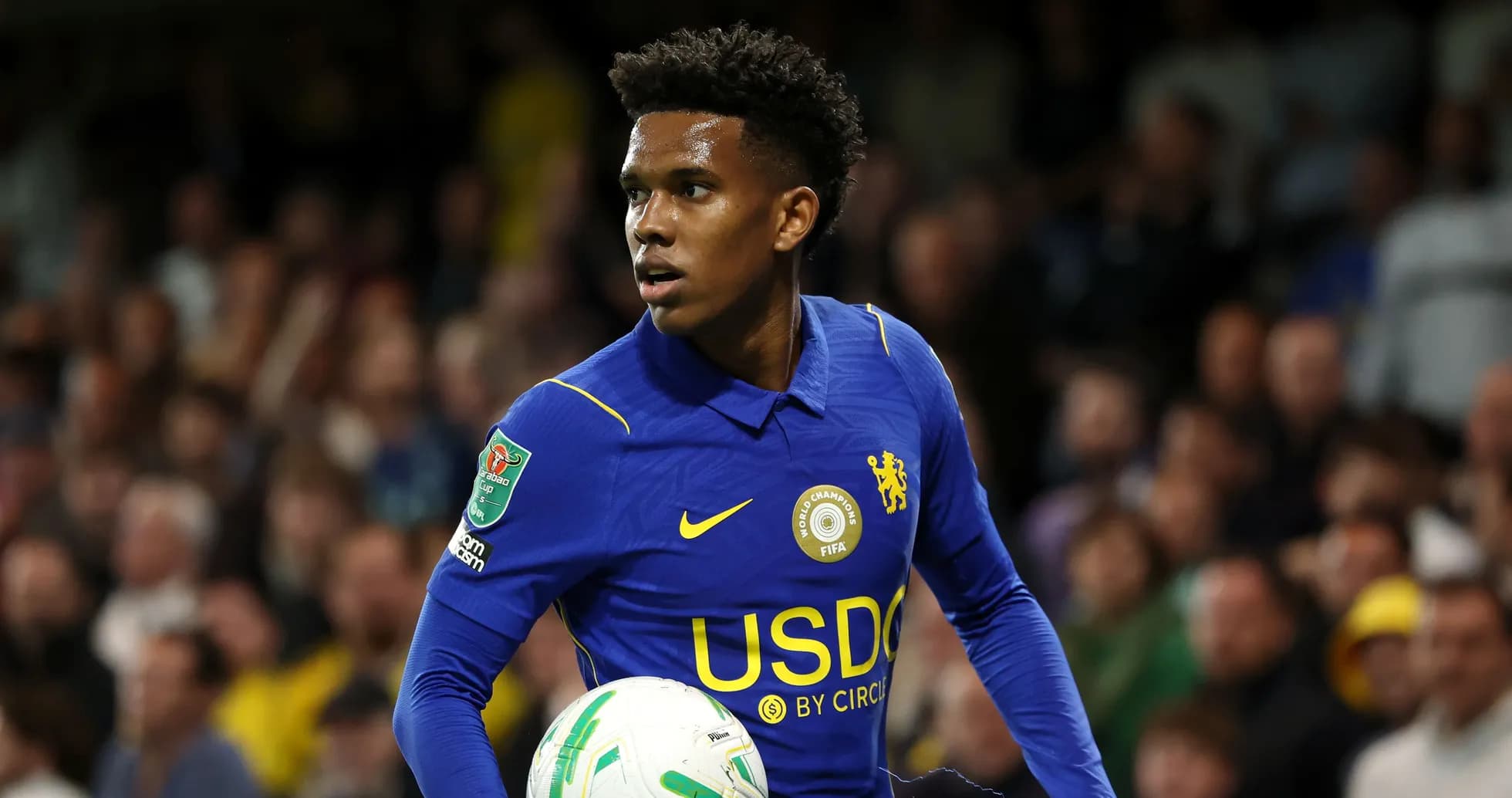
That’s where the debate has now turned. To the bench. To Estevao.
Former Chelsea midfielder Redknapp didn’t hide his frustration with Alonso’s selection choices after the defeat. Speaking on Sky Sports, he questioned why one of the club’s brightest attacking prospects is still watching from the sidelines.
"I look at Estevao, is he too good a player not to play in this team?" he asked. "He is an incredible talent but how do you get him in the team when you have got Morgan Rogers, Cole Palmer and Joao Pedro? These are the problems he has to solve."
The message was clear: Alonso has quality at his disposal, but his rigidity is starting to look like a problem in itself.
System squeezing out the wide men
Estevao’s numbers this season tell their own story. Just 23 minutes of competitive football. Four brief substitute appearances in the league. No starts. No real chance to build rhythm or confidence.
Alonso’s commitment to a back three is squeezing out natural wide attackers. Pedro Neto has been pushed into a right wing-back role, asked to cover the entire flank. On the left, Pep Chavarria and Jorrel Hato are sharing a physically and tactically demanding job that leaves little room for a pure winger.
Central attacking spaces are locked down. Cole Palmer and Morgan Rogers have become automatic picks, starting every game behind the main striker. Their status as untouchables has left Estevao stranded on the periphery, a luxury option rather than a genuine contender.
Growing unrest around Estevao’s role
For a young Brazilian forward touted as a future star, this is a dangerous limbo. Reports earlier in the month suggested Estevao is increasingly uneasy with his role at Stamford Bridge. The lack of minutes, the lack of trust, the lack of a clear pathway into the XI – all of it is starting to weigh on him.
The January transfer window looms in the background. According to those reports, Estevao is prepared to reassess his long-term future if the situation does not change. Chelsea signed him as a player for the present and the future; right now, he barely feels like either.
Time to think – and to act
The calendar now gives Alonso something he badly needs: time. A three-week international break before Chelsea return to Premier League action against Bournemouth. Time to study the damage. Time to decide whether his system is worth the cost.
He can double down on the back three, keep faith with the same attacking hierarchy and hope results turn. Or he can rip up the script, loosen the structure and finally find a way to fit Estevao into a team crying out for spark.
The pressure is no longer just about leaky defending or a bad night at Brentford. It’s about a manager with big decisions to make – on tactics, on selection, and on whether one of Chelsea’s most gifted young players remains a bystander or becomes part of the solution.