Chelsea's £349m Dilemma: Right-Backs in Midfield Against Arsenal
Chelsea walked out of the Emirates with a 2-1 defeat to Arsenal and a far bigger problem than a single lost game. By the end, with the match chasing them, they had Reece James and Malo Gusto – two players who began life as right-backs – patrolling central midfield together.
For a club that spent £349m in the summer, it was a damning snapshot.
James had been handed a specific task: track Martin Ødegaard. Stick with the Arsenal captain, disrupt his rhythm, cut off the supply. When the decisive moment came, he didn’t. Ødegaard drifted, found the space he wanted, and buried the winner for the champions.
Xabi Alonso had talked James up before kick-off, telling BBC Sport the England international has the tools to become one of the best midfielders in the world. On the ball, James largely backed that up. He was composed, competitive, and his experience of spending almost half of last season in midfield showed.
But the way he was used said more about Chelsea’s squad than about James himself. When Alonso turned to his bench in the second half, he chose Gusto over Romeo Lavia. Two converted full-backs in the engine room of a team with top-four ambitions. That is where the alarm bells start to ring.
Arteta’s Bench vs Alonso’s Bench
The contrast with Arsenal was brutal.
Chelsea’s slack marking cost them on Ødegaard’s goal, but the issues stretched beyond defensive lapses. When Alonso needed invention, control or a different passing profile from the bench, there was precious little to call on.
Mikel Arteta, on the other hand, had options. Real options. Players who could change the tempo, stretch the game, or lock it down. He used them with precision, and they tilted the contest in Arsenal’s favour.
Ashley Young summed it up on BBC Sport: Chelsea, with no European football, have fewer games and more time on the training ground. Yet they finished a match against the reigning champions with two right-backs in midfield. That, he said, is the concern.
He pointed to Lavia, still working his way back after an injury-ravaged season, and then to the imbalance behind Chelsea’s fearsome front line. The attack, he argued, will trouble plenty of sides. Behind it sits a midfield patched together, where two right-backs are plugging gaps.
Young went further. Other managers will watch this game, he said, and see a Chelsea side that drops deep, packs bodies behind the ball, yet still leaves spaces between the lines. Arsenal saw those spaces and went straight through them.
Chelsea, he added, are conceding the ball too often and leaning heavily on counters. At the Emirates, they created perhaps one clear opening of that type, when Pedro Neto broke down the right and they finally sprang forward with purpose.
Caicedo’s Shadow Over Stamford Bridge
Strip away the tactical tweaks and the core problem is simple: Moisés Caicedo is missing.
The Ecuadorian’s injury remains shrouded in mystery. No clear diagnosis in public. No firm return date. He felt something after just 11 minutes off the bench against Brighton last week, and since then Alonso has been left without the midfielder he had built his structure around.
For a player who had missed only two matches in the past three seasons – one with a minor knock, another through illness – this is new territory. For Chelsea, it is a nightmare.
Alonso, asked about Caicedo, was blunt. This is not about a long-term lay-off, he said, but about risk. They may have rushed him back too soon against Brighton. He will not repeat that mistake.
Whether that scare pushed Chelsea to accelerate their search for another midfielder on deadline day is still unclear. What is clear is that they tried – and failed.
Deals That Died at the Door
Chelsea went into the final hours of the window looking for midfield help and came out empty-handed.
Their pursuit of Lamine Camara collapsed at the last moment when Monaco pulled the plug on a £47m agreement, leaving senior figures at Stamford Bridge furious. Bournemouth had already rejected offers rising to £64m for Alex Scott earlier in the summer.
The move for Manu Koné also fell apart, with Roma boss Gian Piero Gasperini blocking the Frenchman’s exit.
Chelsea’s line is that the Camara deal was an opportunistic move, not a response to panic. They insist they are satisfied with their business, confident in the group they assembled.
Yet the evidence on the pitch, especially at the Emirates, tells a more awkward story.
Enzo Out, Questions In
The scrutiny on Chelsea’s midfield only sharpened when Enzo Fernández was sold to Manchester City for £125m on deadline day – a fee that matches the British transfer record – without a like-for-like replacement coming through the door.
That decision looks even bolder now.
Caicedo is on the treatment table. Jordan Henderson is there too, still recovering from the broken arm he suffered when he fell onto an advertising board while sat on the bench for England at the World Cup.
Valentín Barco, signed from Strasbourg and a natural midfielder, has not played a minute in the league. Alonso has instead turned to Gusto in all three Premier League fixtures so far.
The impact of that improvisation was stark against Brighton. With Gusto in midfield, Chelsea had just 25.6% of the ball in a 4-3 win – their lowest possession figure since records began in 2003-04. They scored four and took the points, but the number was historic for all the wrong reasons.
Alonso has argued that, with everyone fit, Chelsea have enough in midfield, especially without the strain of European football and midweek fixtures. On paper, that sounds reasonable. On the pitch, it looks fragile.
Attack Shines, Defence Sways
The irony is that Chelsea’s front line is humming.
Across their first three Premier League games, their attacking play has carried them. Morgan Rogers, their record signing, has hit the ground running. Cole Palmer has rediscovered his spark. João Pedro is finding the net.
Rogers struck again inside two minutes at the Emirates, becoming the first Chelsea player to score or assist in each of the club’s first three league games of a season since Eden Hazard in 2018-19. That is not a small comparison.
At the other end, the picture is less flattering. Seven goals conceded in three matches is not the platform Alonso wants. He has said as much, stressing the need for more cohesion and solidity without the ball.
And yet, in the chaos of the defeat to Arsenal, there were positives. For long spells, Chelsea went toe-to-toe with the champions. This was one of their better showings in a run that now stretches to 10 games without a win against their London rivals.
The gap, though, is still enormous. Thirty-three points separated the sides last season, with Chelsea marooned in tenth. That chasm does not close with one bright performance and another narrow defeat.
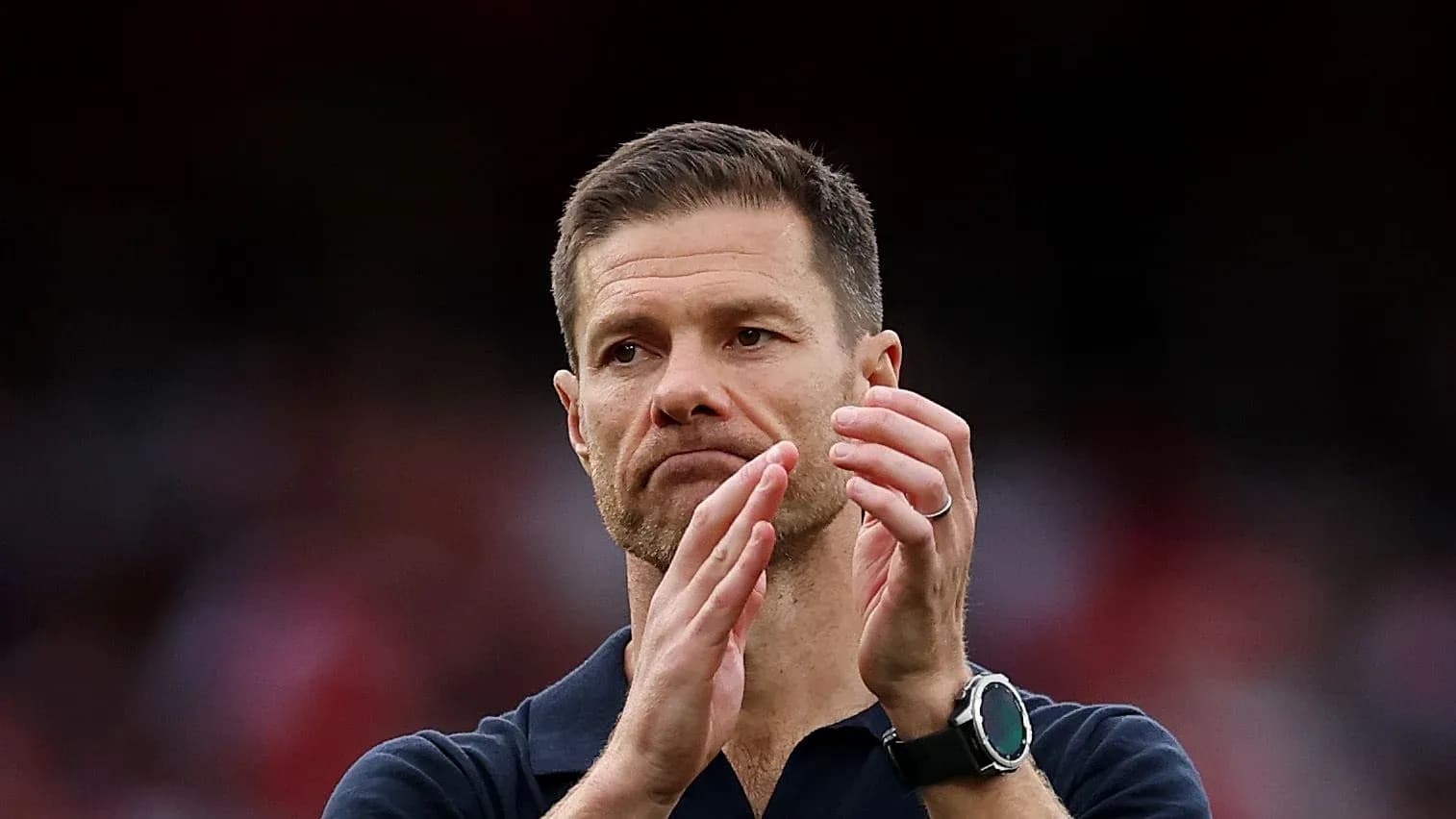
Alonso did not hide his frustration afterwards. They came to win, he said. They felt close to Arsenal in terms of level. The game slipped away, and it hurts. But this is the first loss of the campaign, the road is long, and he insists it will not derail their belief.
Arsenal Set the Pace, Chelsea Chase the Answers
Arsenal remain the benchmark in London. Chelsea beat them to Morgan Rogers in the transfer market, but on the pitch, the champions still dictate the standard for anyone with title aspirations.
Sunday’s match underlined an uncomfortable truth for Chelsea: heavy spending has not sealed every crack. Ten first-team signings arrived in a frantic summer, yet the failure to land a midfielder on deadline day has left a clear, visible gap in Alonso’s squad.
The coach called this transfer window “the first stage” of his Chelsea project. Stage one is complete. The real examination begins now.
If Caicedo’s return does not steady the midfield and restore balance, the questions will only grow louder. Why was Enzo Fernández allowed to leave without a direct successor? Why did a £349m summer end with two right-backs trying to run the centre of the pitch at the Emirates?
And if the answers are not convincing by January, how much more will Chelsea have to spend just to fix a problem they created themselves?