Carlos Baleba's Journey: From Injury to Manchester United Debut
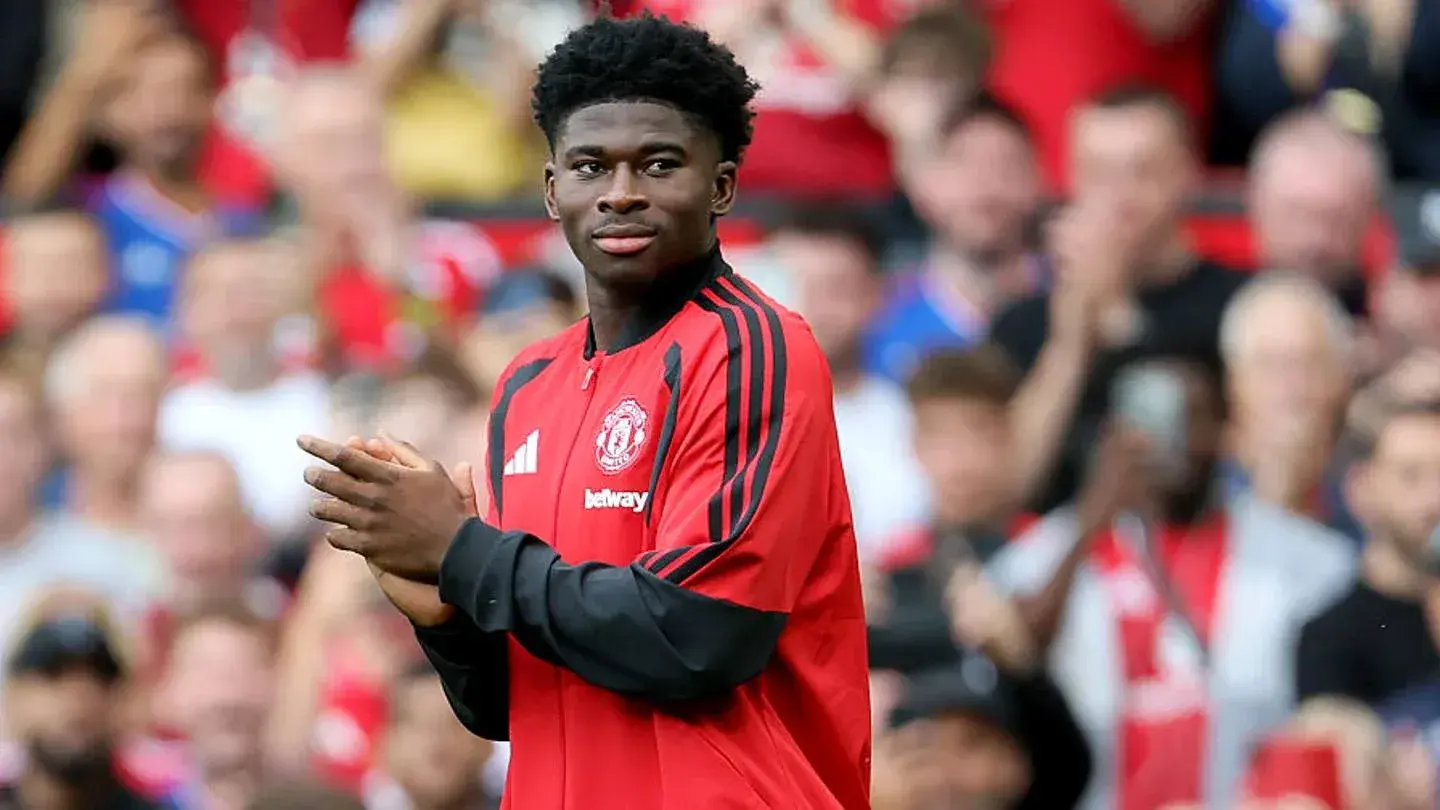
Carlos Baleba has been a $94 million ghost at Manchester United so far. Signed from Brighton & Hove Albion to anchor a rebuilt midfield, the Cameroon international is yet to kick a ball for his new club. That wait, finally, is almost over.
From walking boot to full tilt
Baleba arrived in Manchester already damaged. An ankle injury had wiped out his entire preseason on the south coast, and he turned up at Old Trafford as a marquee signing who couldn’t train with the group. United knew the risk and gambled on the timeline: get him right after the first international break.
Michael Carrick’s latest update suggests that bet is paying off.
“He’ll be back in and around the group at some point over the next week or so, so that means after [the] international [break], he should be in good shape,” the United manager told reporters.
The last few weeks have been repetitive and frustrating for Baleba: rehab, individual drills, watching from the sidelines as his new teammates settled into the season without him. Now he stands on the edge of full training, finally ready to swap the gym for the grass.
He won’t make it in time for the midweek Carabao Cup reunion with Brighton at Old Trafford. He also won’t feature when United travel to Fulham on Sunday, Sept. 20, the final outing before the club calendar shuts down.
Cameroon have left him out of their squad for Africa Cup of Nations qualifiers against Comoros and Republic of the Congo. No surprise there. Instead of flying off for international duty, he will stay in Manchester, stacking fitness sessions and contact work, pushing to be ready the moment club football resumes.
“He’s desperate to get out there, be part of the group and train fully with the boys,” Carrick said. The impatience is mutual.
Target date: Tottenham at Old Trafford
The first realistic window for Baleba’s debut is already circled: Tottenham Hotspur at Old Trafford on Oct. 10, United’s opening game after the break.
By then, the 22-year-old should have around three weeks of full-intensity training behind him, helped by an unusually long international window. FIFA’s schedule has effectively fused the traditional September and October breaks, giving national teams up to four matches across two-and-a-half weeks and clubs extra time with their injured players.
United will need every ounce of what Baleba offers. October is brutal.
- Oct. 10, 2026 – Tottenham Hotspur (H), Premier League
- Oct. 13, 2026 – Atlético Madrid (A), Champions League
- Oct. 18, 2026 – Leeds United (A), Premier League
- Oct. 21, 2026 – Como (A), Champions League
- Oct. 25, 2026 – Bournemouth (H), Premier League
- Oct. 28, 2026 – potential fixture, Carabao Cup
- Oct. 31, 2026 – Chelsea (A), Premier League
- Nov. 3, 2026 – Roma (H), Champions League
- Nov. 7, 2026 – Aston Villa (H), Premier League
That run demands rotation. It also demands a midfielder who can destroy, cover ground, and protect a back line that will be stretched across three competitions. This is exactly why United pushed so hard for Baleba.
The missing piece in Carrick’s puzzle
Inside the club, Baleba was viewed as the final brick in a redesigned engine room. Andrey Santos arrived to offer versatility and legs. Youri Tielemans brought range of passing and craft. Baleba adds something different: bite.
United first chased him in 2025, but the numbers were wild. The fee being discussed then would have made him only the fourth midfielder in Premier League history to break the £100 million barrier. United walked away.
A year on, the market cooled just enough. The club returned, negotiated Brighton down to a more manageable package, and closed a deal that still screamed ambition without smashing every internal ceiling.
“He’s obviously a quality player,” Carrick said this week. “It’s why we brought him here and he balances off the dynamics of the midfield particularly well.”
That “balance” is the key. Against stronger opponents, Baleba is expected to start and sit at the base, screening the defence, winning duels, and giving Tielemans and others the freedom to create higher up the pitch. His presence allows United to be braver with their attacking structure, knowing there is a safety net behind the ball.
There will be nights, though, when Carrick chooses a different profile. Against weaker sides at Old Trafford, when United expect to dominate possession and face deep, stubborn blocks, he may decide to sacrifice some of Baleba’s defensive steel for another passer or an extra attacker.
The shape of that midfield will shift from game to game. The plan, though, is clear: when the stakes rise, when the opposition bites back, Baleba is on the pitch.
He has been a headline signing in name only so far, a big fee and a big idea waiting on the treatment table. Once this international break ends, the theory stops. The question is no longer when he will arrive, but how quickly he can bend this United midfield to his will in a season that will not wait for anyone.