Boston Legacy W Overcomes Orlando Pride W in NWSL Showdown
Gillette Stadium had barely settled under the Foxborough lights when this NWSL Women group-stage tie between Boston Legacy W and Orlando Pride W bent away from its script. Heading into this game, the table suggested a clash of identities: Boston in 14th, a chaotic, high-concession side still discovering itself; Orlando in 7th, a playoff-chasing unit built on a defined 4-2-3-1 and a ruthless star forward. Ninety minutes later, a 2-1 home win had rewritten the emotional landscape for both.
I. The Big Picture – Two Paths Crossing
Orlando arrived with structure and pedigree. Over the season they had played 9 matches in total, winning 3, drawing 2 and losing 4. Their goal difference overall was 0, with 13 goals for and 13 against. On their travels they had been competitive: across 4 away games they had 1 win, 1 draw and 2 defeats, scoring 6 and conceding 5. The 4-2-3-1 that coach Seb Hines trusted was not theoretical; it had been used in all 9 league fixtures, a tactical spine built around control in the double pivot and creativity in the band of three.
Boston, by contrast, had been living closer to the edge. Overall they had played 9 matches, winning 2, drawing 2 and losing 5, with 9 goals scored and 15 conceded for a goal difference of -6. At home they were better but still fragile: 6 games, 2 wins, 1 draw, 3 losses, scoring 8 and conceding 9. Their average goals for at home sat at 1.3, but they were allowing 1.5 per game in the same venue. Clean sheets? None at home, none away, none overall. This was a team that needed to out-score rather than shut down opponents.
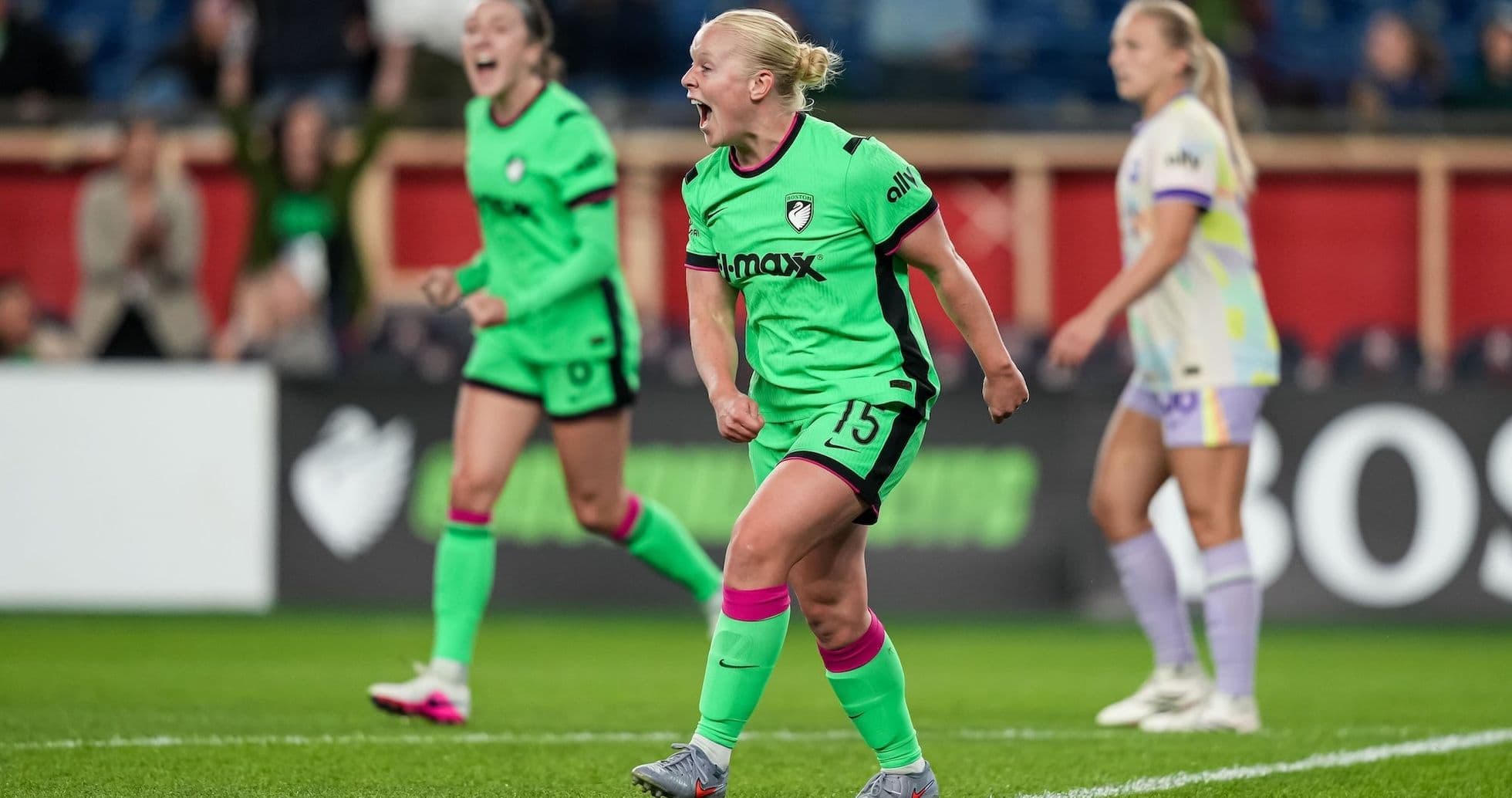
Yet on this night, Boston’s volatility became an asset. Falling behind 0-1 by half-time, they turned the match in the second half to win 2-1, a result that cut against Orlando’s reputation for away discipline and underlined the emotional weight of Gillette Stadium as a proving ground for a young side.
II. Tactical Voids – Discipline, Risk and the Edges of Control
Injury data offered no clear absentees, but the season’s disciplinary patterns had already shaped both squads’ mentalities.
Boston’s card profile is a warning label in itself. Across the campaign their yellow cards cluster in the middle and late phases: 22.73% between 16-30 minutes, 18.18% in each of 31-45, 46-60, 61-75 and 76-90, with a further 4.55% in added time between 91-105. Crucially, their only red card this season has come late, between 76-90 minutes, at 100.00% of their reds in that window. This is a team that plays on the edge as fatigue sets in, especially when chasing or defending narrow margins.
That edge is embodied in individuals. Aïssata Traoré carries 3 yellow cards, as does central defender Jorelyn Carabalí. Midfield anchors Alba Caño and Annie Karich sit on 2 yellows each. Bianca St-Georges has already walked the disciplinary tightrope with a yellow and a yellow-red in just 77 minutes of league action. These are not isolated incidents; they form a pattern of an aggressive, front-foot defensive mentality that can tilt from assertive to reckless.
Orlando’s discipline is calmer but still spiky in key zones. Their yellow cards spike at 61-75 minutes and 76-90 minutes, with 25.00% of their yellows in each of those ranges, and another 16.67% between 91-105. They manage to avoid reds entirely, but the data shows a team that grows more combative as the game stretches, especially when protecting or chasing a result.
In a knockout 1/8 final, this would be a red-flag zone; even in a group-stage context, it framed the final quarter of this match as a discipline test. Boston’s ability to finish the game with their structure intact, despite that late-card history, is a subtle but important storyline behind the comeback.
III. Key Matchups – Hunter vs Shield, Engine vs Engine
The “Hunter vs Shield” narrative began before a ball was kicked. Orlando’s attacking identity is personified by B. Banda, the league’s top-rated scorer. Across 9 appearances (8 starts, 673 minutes), Banda had 7 goals, taking 33 shots with 20 on target. She added 12 key passes and drew 21 fouls, a forward who not only finishes but bends defensive lines with constant duels — 87 contested, 37 won. Even without a penalty goal (0 scored, 0 missed), she is the purest expression of Orlando’s 1.5 average away goals.
Boston’s “shield” is less a single player than a collective scramble. They came into this fixture with 15 goals conceded overall, 9 of those at home. No clean sheets, an average of 1.7 goals against per game overall and 2.0 on their travels. The back line that started — C. Murphy in goal behind defenders like Carabalí, Lais and E. Elgin — has been forged in fire rather than comfort. Carabalí, in particular, is a defensive anchor: 14 tackles, 3 blocked shots and 11 interceptions across the campaign, plus 311 passes at 75% accuracy. Her duel profile (63 contested, 28 won) speaks to a defender constantly in the line of fire.
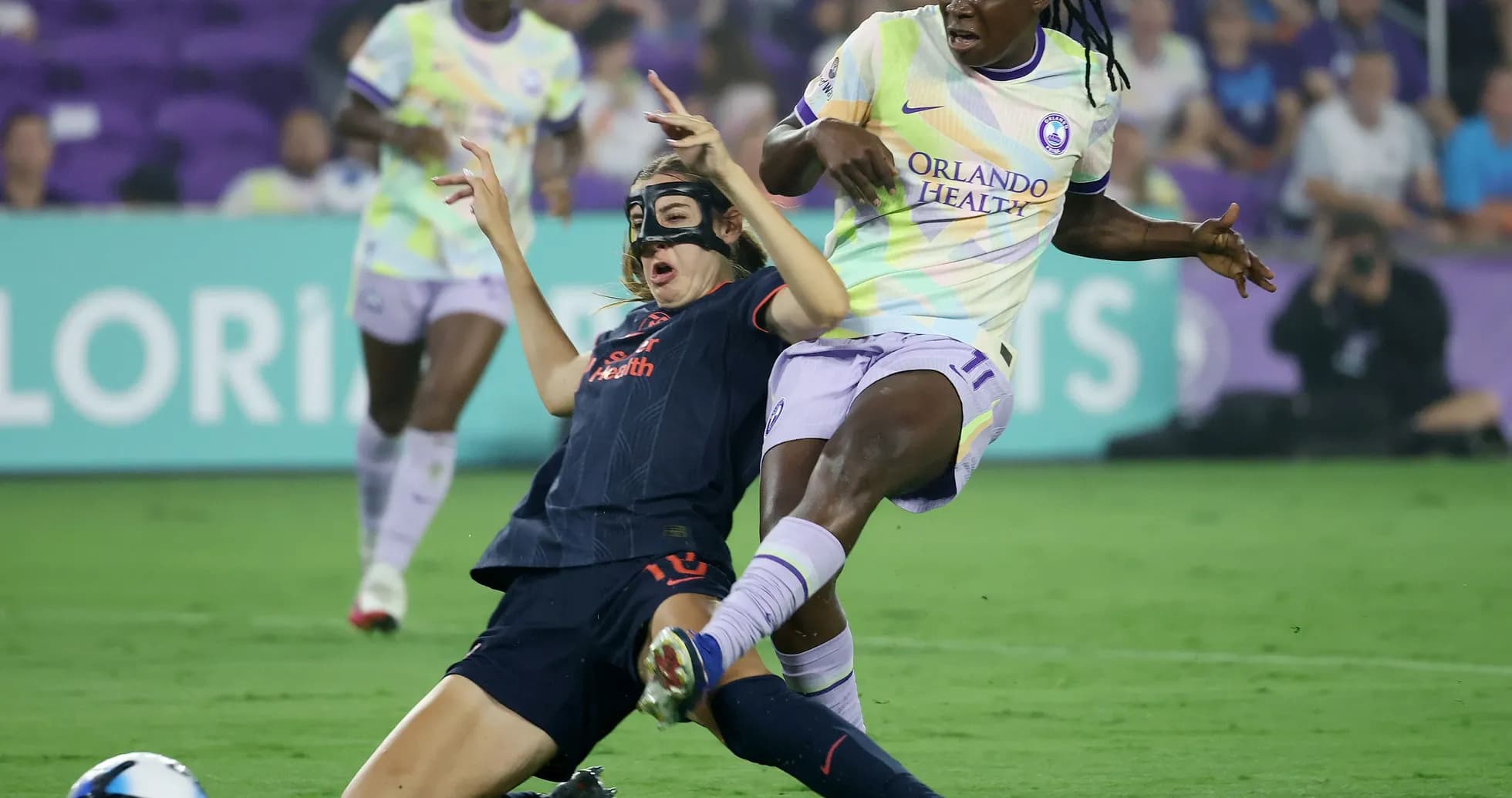
On this night, the duel tilted towards Boston’s resilience. Orlando’s structure — with A. Moorhouse in goal, a back four of H. Mace, C. Dyke, Rafaelle Souza and O. Hernandez, and a midfield spine of J. Doyle and H. McCutcheon behind Angelina, Marta and S. Yates — looked designed to feed Banda or S. Jackson as the nominal striker. They found their breakthrough before the break, leading 1-0 at half-time. But Boston’s response came from their own attacking trident: N. Prince, Traoré and St-Georges, supported by a hard-running midfield of Caño, Karich and B. Olivieri.
The “Engine Room” battle was equally telling. For Orlando, the creative heartbeat in the league table has often been L. Ovalle, with 2 assists, 12 key passes and 103 total passes at 80% accuracy in 5 appearances. In this fixture she did not feature in the starting XI, leaving Marta and Angelina to shoulder more of the creative burden. Boston’s response came from Caño and Karich, both high-volume passers and combative midfielders. Karich in particular has 453 passes at 85% accuracy and 22 tackles this season, the metronome and enforcer in one.
Over 90 minutes, Boston’s engine proved more adaptable. They rode out Orlando’s first-half control, then used the energy of their forwards — especially the direct running of Traoré and the wide intelligence of Prince — to turn transitions into chances. The 2-1 full-time scoreline is the surface; underneath it lay a midfield that refused to be overrun.
IV. Statistical Prognosis – xG Without Numbers
There is no explicit xG data in the snapshot, but the season metrics sketch a plausible expected-goals narrative. Heading into this game, Boston were scoring 1.0 goals per match overall and conceding 1.7. Orlando were scoring 1.4 and conceding 1.4. On paper, a 1-1 draw or a narrow Orlando win would have been the median outcome.
Instead, Boston landed at the top of their home scoring range (2 goals, compared to a home average of 1.3) while holding Orlando below their usual attacking output (1 goal, against a total average of 1.4 and an away average of 1.5). That swing suggests two things: Boston finished a higher proportion of their chances than usual, and their defensive structure — often porous — tightened at key moments, particularly after half-time.
Following this result, the tactical story is clear. Orlando’s defined 4-2-3-1 and star-powered attack remain dangerous, but they are vulnerable when their midfield control is disrupted and when Banda is forced into deeper or wider zones. Boston, meanwhile, have discovered a blueprint: lean into the aggression of Carabalí, Caño and Karich, channel the chaos of Traoré and Prince, and accept that their path to points runs through high-risk, high-reward football.
In a league where margins are thin and playoff races unforgiving, this 2-1 comeback is more than three points. It is a statement that Boston’s volatility, if harnessed, can overturn the odds against more polished, structured opponents — and that Orlando, for all their talent, cannot coast on reputation when the game turns into a fight.