Barcelona's Resilience Shines Through in Sevilla
At the Ramon Sanchez Pizjuan, Barcelona had to dig. Hard.
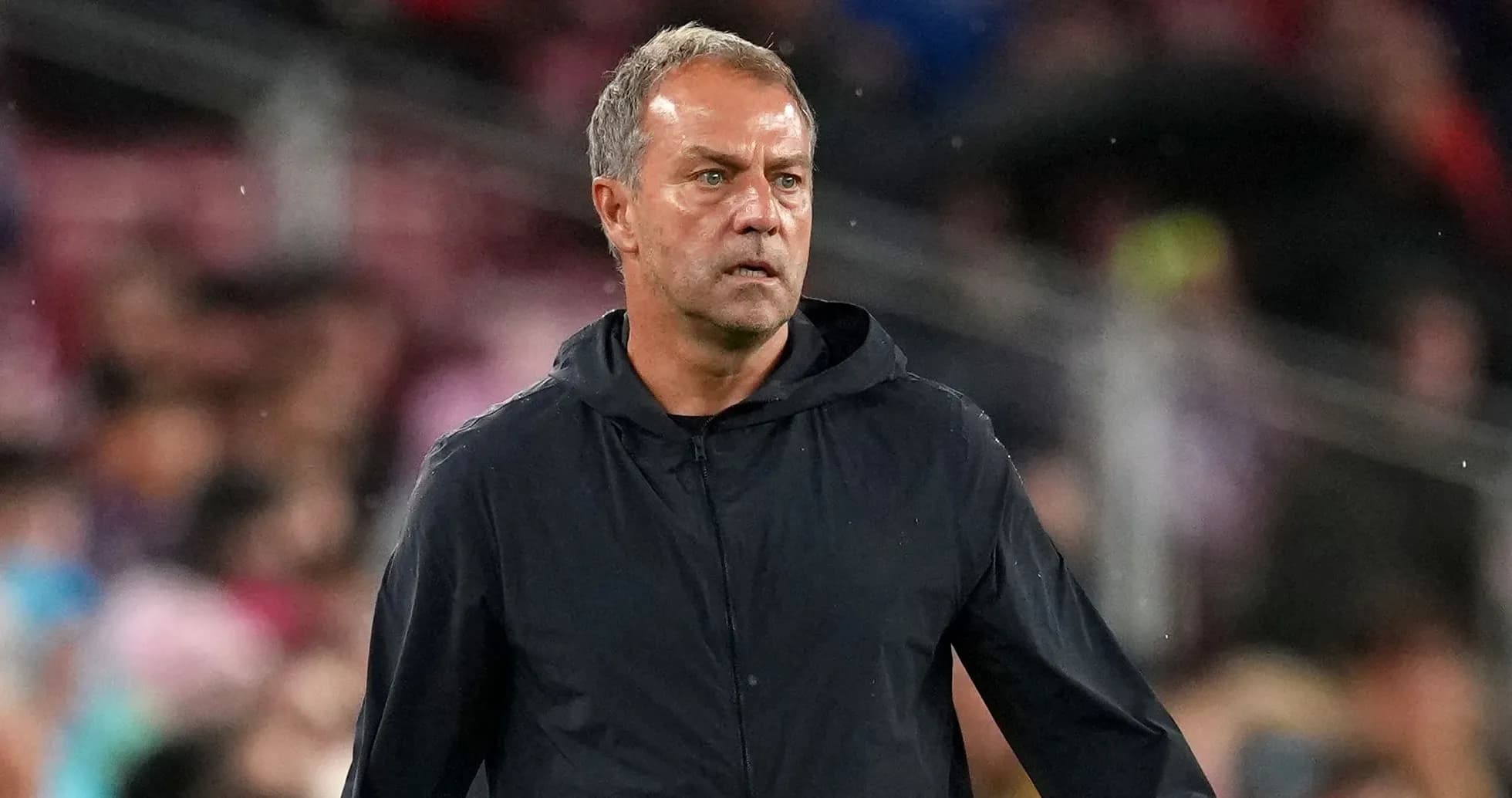
Sevilla came out snarling, and Youssouf Fofana’s 18th-minute strike was the early reward for a side that refused to let Barça breathe. Hansi Flick prowled the touchline, arms cutting through the air, his irritation plain as his team struggled to match the home side’s intensity. For long stretches of that first half, the league leaders looked second best.
One player refused to follow that script.
Raphinha, fresh from signing a contract extension through 2030, produced the kind of performance that justifies long-term bets. A ruthless hat-trick, three finishes that ripped through Sevilla’s defensive structure and flipped a fraught night into a statement win. Every time Barça found a crack, it was the Brazilian driving a wedge into it.
"It was a difficult match, especially the first half. We didn't play at our level," the German coach said afterwards. "I told them we had conceded too much and that we weren't playing to our standard. We have to do much better, and that's what I told them. The second half was much better."
The message landed. Barcelona, so used to blowing teams away with early flurries and heavy scorelines, had to show something different in Seville. Control. Patience. A bit of humility. This was not one of their recent five-goal romps; this was a night where resilience and adjustment mattered more than the margin of victory.
Flick leaned into that reality.
"You can't always win by five goals. The best thing we did was recover from what we did in the first half," he said, framing the comeback as the real success. He reserved special praise for his match-winner. "Raphinha is a game-changer; I'm very happy with him and with the club's decision to renew his contract. He gives us a lot, he strengthens the team, but I also want to highlight Lamine, who is also a game-changer."
Lamine Yamal, still a teenager but already a difference-maker, added another layer of menace on the right. His presence stretched Sevilla, opened lanes, and gave Raphinha the space to inflict damage. Between them, they turned a shaky opening into a demonstration of individual quality backed by tactical tweaks.
From Sevilla’s side, the mood was very different but not despondent.
Luis Garcia Plaza watched his team rattle Barcelona in that first half, pressing high, biting into duels, and forcing errors that few sides have managed to draw out of Flick’s men in recent weeks. For a while, the leaders looked uncomfortable, even rattled.
"We had an extraordinary first half, but then we couldn't maintain that level in the second. As I said before the match, Barcelona is light years ahead of the rest of the league," Luis García admitted.
The gulf he spoke of eventually told. Sevilla could not keep their intensity at the red-line pace that had Barça wobbling, and once the visitors settled, the technical and tactical gap became brutal. Raphinha punished every lapse. Lamine kept asking questions. Barcelona, once frantic, began to look ruthless again.
Flick, though, refused to get carried away with the scoreline or the star turns. For him, the real story was a side that absorbed a punch, then responded with structure and clarity rather than chaos. On nights like this, titles are not won, but something just as valuable is tested: the ability to suffer and still find a way.
If this is the version of Barcelona that shows up when the football gets heavy and the margins thin, the rest of La Liga will need more than an extraordinary half to bring them down.