Aubameyang Retires from Gabon After AFCON Fallout
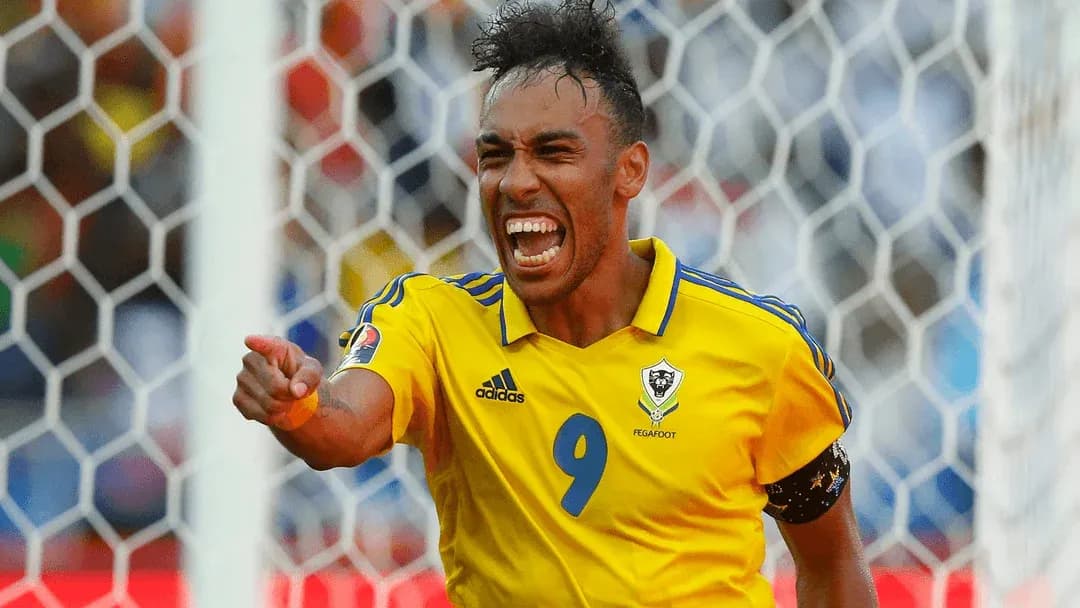
Pierre-Emerick Aubameyang has closed the door on Gabon. Not quietly, not gently, but with the sting of someone who feels betrayed.
At 37, the Panthers’ all-time leading scorer has announced his international retirement, tying the decision directly to the storm that followed Gabon’s disastrous 2025 Africa Cup of Nations campaign.
“They humiliated me and tarnished my image when I had played at AFCON while injured,” the Deportivo striker said in a television interview. Then came the line that ends an era: “It was the last straw and I’d rather leave it here.”
AFCON collapse sparks political shockwave
Gabon’s campaign in Morocco fell apart almost before it began. Three games, three defeats, and an early exit in the group stage. The final blow came in a 3-2 loss to Ivory Coast, a match that sealed their elimination and lit the fuse back home.
The reaction inside the country was explosive. Gabonese president Brice Clotaire Oligui Nguema described the failure as a blow to “a part of the national identity.” This was no routine sporting disappointment; it was framed as a national wound.
The response matched the rhetoric. The coaching staff was dissolved. The national team itself was suspended until further notice. And then came the decision that would change Aubameyang’s relationship with Gabon for good: he and veteran defender Bruno Ecuele Manga were dropped from the squad.
Two of the most experienced players, publicly singled out. Many supporters saw it as scapegoating rather than accountability, and the backlash was immediate.
“The little part that I represent”
For Aubameyang, the message was clear: he was being positioned as one of the faces of failure.
“I think the national team’s problems run much deeper than the little part that I represent,” he said, pushing back against the narrative that he was at the heart of the crisis.
What cut deepest for him was the context. By his account, he had gone to AFCON carrying an injury, choosing to play through pain to represent his country. To then be discarded in the aftermath felt, in his eyes, less like tough sporting judgment and more like a public stripping of respect.
He was later reinstated to the national team. On paper, the decision was reversed. In reality, the damage was permanent. Trust had gone. So had the desire to continue.
End of an era for the Panthers
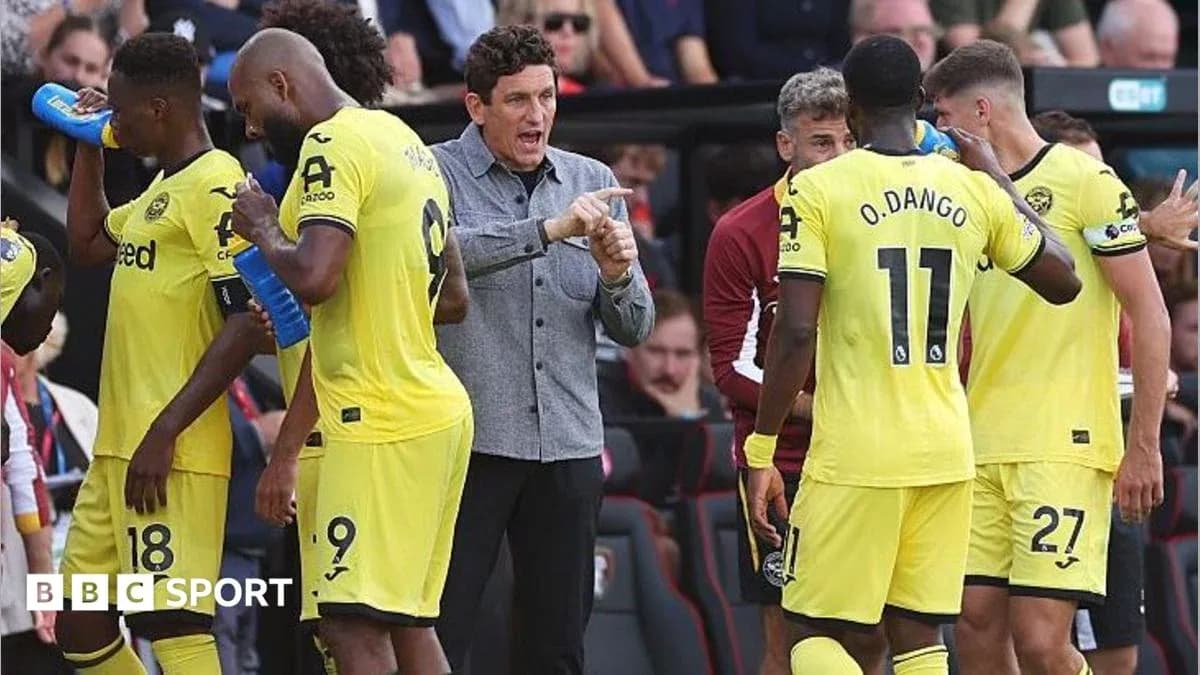
Aubameyang’s decision leaves new head coach Sébastien Migné facing a rebuild without the player who defined Gabonese football for more than a decade. The striker departs as Gabon’s all-time leading scorer, the long-time captain, and the country’s most recognizable footballing figure on the global stage.
He should have been walking away to applause, tributes, and a lap of honour. Instead, his international career ends in bitterness, framed by words like “humiliated” and “tarnished,” and by a sense of being unfairly blamed for a failure he insists runs far deeper than any single player.
Gabon now moves on without its biggest star. The question is whether the national team can rebuild its identity faster than it has managed to tear down its heroes.