AS Roma Dominates Lecce 4-0 in Serie A Clash
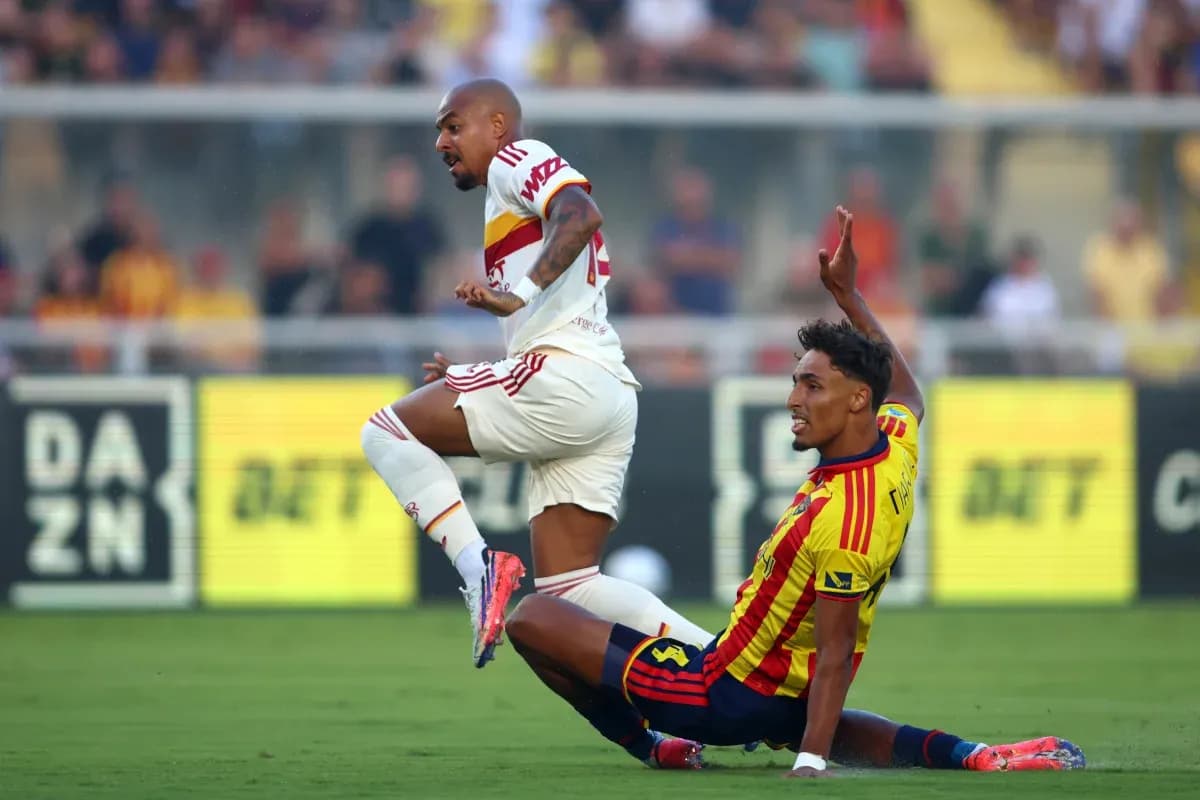
Under the fading August light at Stadio Via del Mare, this was billed as an early‑season examination of Lecce’s new shape against the sharpest blade Serie A currently offers. By full time, the scoreboard read 0–4, and AS Roma walked away having underlined why they sit top of the table with 6 points from 2 matches, 8 goals scored and none conceded overall. Lecce, stuck on 3 points from 2 games, were reminded of the gulf that still exists between a side fighting to stabilise and one already playing at Champions League league stage level.
The context makes the result even starker. Heading into this game, Lecce’s campaign had been split in two: on their travels they had been clinical, winning 2–0 and averaging 2.0 goals scored away, but at home they had been fragile, with a 0–4 defeat already on the books and an average of 4.0 goals conceded at home. Overall, that left them with 2 goals for and 4 against, a goal difference of −2 from 2 matches. Roma, by contrast, arrived in Lecce with a perfect symmetry: 4–0 at home, 4–0 away, 8 goals for and 0 against overall, a goal difference of +8 and a defensive record untouched in either environment.
I. The Big Picture – Structures and Seasonal DNA
Eusebio Di Francesco doubled down on Lecce’s tactical gamble, starting in a 3‑5‑2. Wladimiro Falcone anchored a back three of J. Siebert, K. Gaspar and Tiago Gabriel, with a broad five‑man band in front: D. Veiga and C. Ndaba as wing‑backs, L. Coulibaly and O. Ngom as central engines, and O. Gorter looking to connect into the front two of S. Pierotti and W. Geubbels. It was an aggressive idea on paper: crowd the midfield, protect central zones, and use the twin forwards to stretch Roma’s back line.
Across from them, Piero Gasperini Gian’s Roma arrived fully formed in their now‑signature 3‑4‑2‑1, and crucially, with continuity. Both of their league matches so far have used this shape. M. Svilar sat behind a composed trio of D. Ghilardi, G. Mancini and M. Hermoso. The wing‑line of Wesley Franca and E. Lulli flanked a double pivot of M. Kone and B. Cristante, while P. Dybala and M. Soule floated behind the league’s most ruthless finisher so far: D. Malen.
Roma’s season profile is brutal in its clarity. Overall, they average 4.0 goals scored per game and 0.0 conceded, with clean sheets both at home and on their travels. They have not failed to score once this campaign. Lecce, by contrast, have failed to score at home in every league match so far, with 0 goals for and 4 against at Via del Mare, and their only clean sheet coming away from home.
II. Tactical Voids – Absences and Discipline
Roma did this without several notable squad members. M. Bah (knee injury), L. Pellegrini (thigh injury) and D. Rensch (muscle injury) were all listed as missing for this fixture. That removed a creative fulcrum and some defensive depth, yet the structure held firm. The reliability of Cristante and Kone in the middle, plus Wesley’s work rate, effectively papered over those absences.
From a disciplinary standpoint, the season’s trends framed the risk zones. Lecce’s yellow cards have been spread evenly across the match so far: 25.00% of their cautions in each of the 0–15, 46–60, 61–75 and 76–90 minute windows. That points to a side that tends to be under stress throughout, not just in late desperation. Roma’s bookings have clustered in the first hour: 33.33% of their yellows in each of 0–15, 31–45 and 46–60, a reflection of an aggressive front‑foot press that sets the tone early.
No penalties have been awarded or missed by either side in Serie A so far this season, keeping the disciplinary narrative focused on duels and tactical fouls rather than spot‑kick drama.
III. Key Matchups – Hunter vs Shield, and the Engine Room
The headline duel was always going to be D. Malen against Lecce’s back three. Malen arrives as the league’s most devastating forward: 5 goals in 2 appearances, 9 shots total with 6 on target, and an overall rating of 8.75. He is not just a finisher; he is an all‑phase threat, contributing 36 passes at 80% accuracy and engaging in 14 duels, winning 6. Against a Lecce defence that, at home, had already conceded 4 goals and averaged 4.0 goals against per game, the imbalance was glaring.
Tiago Gabriel, Lecce’s standout in the top scorers list with 1 goal from defence and 94% pass accuracy, symbolises their dilemma. He has shown composure on the ball and strength in duels (4 won from 5), but the system around him is still porous in home fixtures. Asking a young defender to anchor a back three against Malen’s movement between lines and into channels was always going to be fraught.
Behind Malen, Roma’s creative triangle tilted the pitch. P. Dybala, leading the league in assists with 3 in 2 games, has already delivered 7 key passes and 115 total passes at 84% accuracy. His role in the right half‑space, drifting inside to combine with Soule and Malen, forced Lecce’s midfield five to constantly choose between stepping out and protecting depth. Wesley Franca added a second creative conduit: 1 assist, 4 key passes, 74 total passes at 81% accuracy, plus 6 tackles and 21 duels (12 won). He effectively doubled Roma’s threat zones, turning the 3‑4‑2‑1 into a shape that could overload either flank.
On the other side of the ball, Lecce’s midfield spine of Coulibaly, Ngom and Gorter had to contend with Kone and Cristante. Kone’s numbers tell the story of a controller and disruptor in one: 110 passes at 92% accuracy, 4 tackles, 14 duels with 8 won, and the bite to commit fouls when needed. He and Cristante formed a shield that not only protected the back three but also ensured Roma’s transitions remained clean and vertical.
IV. Statistical Prognosis – What This Performance Says
Following this result, the season’s statistical arc feels less like a blip and more like a pattern. Roma’s 3‑4‑2‑1 is not just aesthetically pleasing; it is structurally dominant. With 2 wins from 2, 8 goals for and 0 against overall, and clean sheets both home and away, their defensive solidity provides the platform for Malen and Dybala to decide matches almost at will. The absence of any penalties, combined with their control of duels and card timing, suggests a side that defends proactively rather than reactively.
Lecce, meanwhile, are living a split personality. On their travels they are efficient and secure, but at home they have now lost 0–4 twice, with 0 goals scored and 8 conceded across those fixtures. The 3‑5‑2 offers numbers in midfield but has not yet delivered defensive stability in front of Falcone, nor enough supply for Pierotti and Geubbels.
In pure statistical terms, if Roma maintain an overall scoring average of 4.0 goals per game and continue to concede at 0.0, they will remain the league’s benchmark. Lecce must close the chasm between their away resilience and home fragility; otherwise, nights like this at Via del Mare will become less an exception and more a grim expectation.