AC Milan's Competitive DNA Revealed in 2-0 Victory Over Venezia
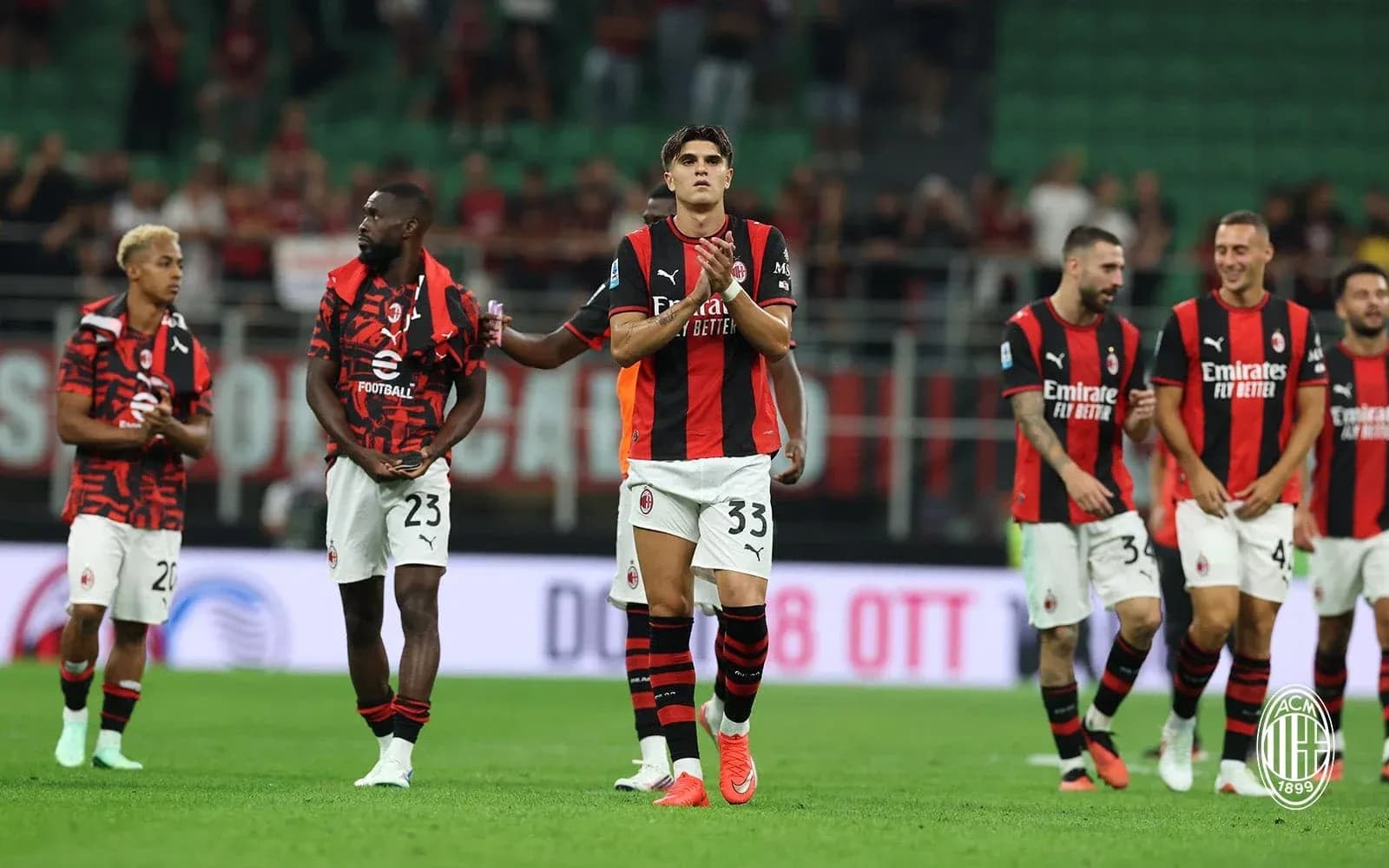
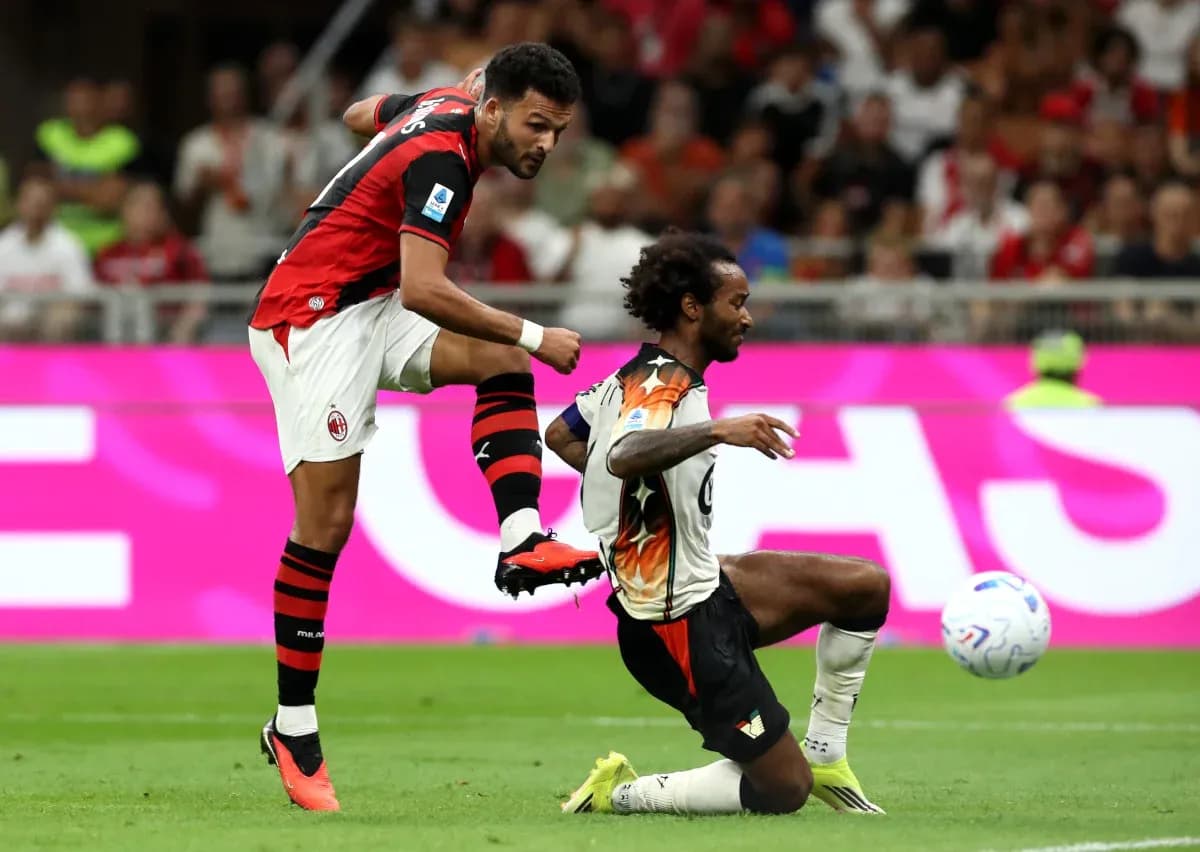
Under the San Siro lights, this was the night Ruben Amorim’s new‑look AC Milan began to reveal its competitive DNA. In a 2‑0 home win over Venezia that felt as controlled as the scoreline suggests, Milan’s 3‑4‑2‑1 structure, their evolving hierarchy of creators, and Venezia’s struggle to breathe under pressure all came sharply into focus.
I. The Big Picture – A table‑topper against a survivor in waiting
Heading into this game, the standings already framed the narrative. Milan were top of Serie A with 6 points from 2 matches, a perfect record built on 4 goals scored and just 1 conceded overall, for a goal difference of +3. At home they had played 1, won 1, scored 2 and conceded 0; away, 1 win with 2 goals scored and 1 conceded. Venezia, by contrast, arrived in Milano in 19th place, pointless after 2 defeats, with 0 goals scored and 4 conceded overall, a goal difference of −4. On their travels they had played 1, lost 1, scoring 0 and conceding 2.
The match itself only reinforced the early‑season pattern. Milan’s second home outing produced another 2‑0 scoreline, mirroring their home averages: 2.0 goals for and 0.0 against. Venezia’s away numbers stayed grimly consistent too: on their travels they are conceding 2.0 goals on average and still searching for their first goal.
Amorim’s Milan again lined up in a 3‑4‑2‑1, the same shape they have used in both league matches so far. Mike Maignan anchored a back three of Mario Gila, Koni De Winter and Strahinja Pavlovic. The wing‑backs were Samuel Chukwueze on the right and Davide Bartesaghi on the left, with Yunus Musah and Luka Modric as the central hinge. Ahead of them, Ruben Loftus‑Cheek and Alphadjo Cissé supported Gonçalo Ramos as the lone striker.
Giovanni Stroppa’s Venezia matched up with a 3‑5‑2, a system they have also used in both league games. Filip Stankovic started behind a trio of J. Schingtienne, Armel Bella‑Kotchap and Bartol Franjic. Ridgeciano Haps and A. Hainaut patrolled the flanks, with Kike Pérez, Gianluca Busio and Toma Basic forming a compact central trio. Up front, Joel Yeboah and A. Adams were asked to stretch Milan’s back line.
II. Tactical Voids – Absences and discipline shape the contest
Milan’s squad sheet carried some heavy absentees. Rafael Leao was ruled out with a muscle injury, stripping Milan of their most explosive left‑sided outlet. Fikayo Tomori, Y. Fofana and S. Gimenez were all missing due to transfer negotiations, further thinning the defensive and attacking rotation. Yet Amorim’s bench still had quality: Adrien Rabiot, Alexis Saelemaekers, Christian Pulisic and Francesco Camarda all waited as impact options.
Venezia’s list of absentees was less star‑studded but structurally significant. A. Adorante (hernia), M. Sverko (hip injury) and M. Moreno (health problems) removed depth in both defence and attack, limiting Stroppa’s ability to change the game state from the bench.
Disciplinary trends also told a story before a ball was kicked. Milan’s yellow cards this season have been concentrated between minutes 46‑60 and 61‑75, with 50.00% of their cautions in each of those windows. Venezia’s bookings are more spread but still cluster around the middle of games: 25.00% between 16‑30 minutes, 50.00% between 46‑60, and 25.00% from 76‑90. In other words, both sides tend to hit their physical and emotional peak just after half‑time, precisely when the match at San Siro tilted decisively Milan’s way.
III. Key Matchups – Hunter vs Shield, and the battle for the engine room
The “Hunter vs Shield” duel here was less about a single star striker and more about Milan’s multi‑headed attack against Venezia’s fragile defensive record. Overall this campaign, Milan are averaging 2.0 goals per match, while Venezia are conceding 2.0 per match overall and on their travels. Into that statistical mismatch stepped a trio of Rossoneri attackers already making their mark on Serie A.
Gonçalo Ramos arrived at this fixture with 1 league goal from 2 appearances, backed by 10 shots and 4 on target overall. His work without the ball is just as important: 28 duels contested and 11 won show a centre‑forward willing to fight for territory and press from the front. Against a Venezia back three still searching for cohesion, Ramos’ constant movement between Bella‑Kotchap and Franjic repeatedly pulled the visitors out of shape.
Alongside him, Alphadjo Cissé has quietly become one of Milan’s most intriguing young threats. With 1 goal from 2 starts and 16 duels contested overall (winning 8), he offers vertical runs and physical presence between the lines. His 53 passes and 1 key pass show that he is not just a runner but also a link player, helping Milan overload the half‑spaces where Venezia’s 3‑5‑2 is most vulnerable.
Yet the creative heartbeat of this side increasingly runs through the right flank. Samuel Chukwueze came into the game with 1 assist, 3 shots (2 on target), 7 key passes and 4 successful dribble attempts overall. His role as a wide right midfielder in the 3‑4‑2‑1 allowed him to isolate Haps and drive at the channel between Haps and Franjic. Every time Milan switched play quickly, Chukwueze became the accelerant, forcing Venezia’s back line to retreat and compress their own box.
In the engine room, the duel between Modric and Musah on one side and Busio, Basic and Kike Pérez on the other decided whether Venezia could ever get out. Kike Pérez is Venezia’s most combative midfielder so far this season, with 6 tackles and 19 duels contested, winning 11. He also brings 92 passes and 1 key pass overall, suggesting he is both destroyer and distributor. But with Modric dictating tempo and Musah driving forward, Venezia’s trio were largely forced into reactive defending, unable to push their wing‑backs high enough to relieve pressure.
On the disciplinary front, Loftus‑Cheek’s presence added an edge. He arrived as one of the league’s early carded players, with 1 yellow overall and 10 duels contested. His ability to pin Busio and Basic with his back to goal, then spin into the box, drew fouls and forced Venezia’s midfield line deeper, disconnecting them from Yeboah and Adams.
IV. Statistical Prognosis – Milan’s control, Venezia’s warning
Even without explicit xG data, the underlying numbers and patterns point clearly in one direction. Milan’s overall scoring rate of 2.0 per game, combined with 1 clean sheet at home and only 1 goal conceded overall, reflects a side that not only creates but also controls. Their penalty record – 0 taken, 0 missed – means their output is coming from open play and structured attacks, not spot‑kick variance.
Venezia, by contrast, have failed to score in both league matches so far, home and away, with 0.0 goals for on average and 2.0 conceded overall. They have no clean sheets and have already been forced into last‑ditch defending, with Haps and Kike Pérez both among the league’s early card recipients. Their disciplinary pattern – yellow cards spread across all three main phases of the match – hints at a team often chasing, rarely dictating.
Following this result, the trajectories feel set. Milan’s 3‑4‑2‑1 is bedding in quickly: the back three look stable, the wing‑backs are decisive, and there is a growing ecosystem of creators around Ramos. The bench depth, with Rabiot and Saelemaekers both already contributing 1 assist overall, suggests that Amorim can rotate without losing structure.
For Venezia, San Siro served as a stark tactical warning. The 3‑5‑2 can compact space, but without an outlet and with a back line conceding 2.0 goals per match overall, it risks becoming a survival shell rather than a launchpad. Unless Stroppa can find a way to unlock Yeboah and Adams, or integrate alternatives like L. Lauberbach and A. Okoro more effectively, Venezia’s season may continue to be defined by matches like this: long spells without the ball, and a scoreboard that tells the story with ruthless clarity.