World Cup Knockout Stage: Australia, Egypt, Argentina, Cape Verde, Colombia, Ghana
The Round of 32 closes on Friday with a three-match slate that feels like a mini-tournament of its own. A nervy opener in Dallas, a fairytale collision with a giant in Miami, and a late-night test of nerve and patience in Kansas City. By the end of it, the bracket will be set — and a few World Cup dreams will be gone for good.
Australia vs. Egypt: history on the line in Dallas
Dallas Stadium hosts a meeting of two nations that have never tasted victory in a World Cup knockout match. One of them leaves that statistic behind.
Australia arrive with four points from Group D, a team that has already swung between extremes. They opened with a sharp 2-0 win over Turkiye, stumbled in defeat to the United States, then ground out a goalless draw with Paraguay. Not spectacular, but solid enough to survive.
Egypt’s path has been more bruising. Five points from Group G and plenty of scars, the biggest of them on their captain. Mohamed Salah limped out of the group finale against Iran with a hamstring strain, leaving a nation holding its breath. Head coach Hossam Hassan believes his star will make it, but belief and full fitness are not the same thing. Without Salah close to his best, Egypt’s attack loses its edge and much of its fear factor.
So the spotlight swings to a different kind of star.
The biggest call of Australia’s tournament came before a ball was even kicked, when coach Graham Arnold turned to Joe Gauci Beach and turned away from long-time No. 1 and former captain Matthew Ryan. It was a shock, the sort of decision that can fracture a dressing room if it goes wrong. It hasn’t.
Beach, with only five caps to his name, has played like a man who never got the memo about inexperience. He shone in the win over Turkiye, then followed it with a second clean sheet against Paraguay. Strong hands, sharp positioning, no hint of stage fright.
He will need every bit of that again. Egypt, even with a compromised Salah, will test him in ways the group stage did not. One mistake can end a World Cup. One more big night from Beach can change the trajectory of his career — and his country’s.
Argentina vs. Cape Verde: champions meet the Cinderella story
Miami gets the glamour tie. Argentina, defending champions and machine-like through the group stage, against Cape Verde, the underdog that refuses to blink.
Argentina have moved through this World Cup with ruthless efficiency. Three group games, three multi-goal wins, 10 straight victories stretching back beyond the tournament. No drama, just dominance.
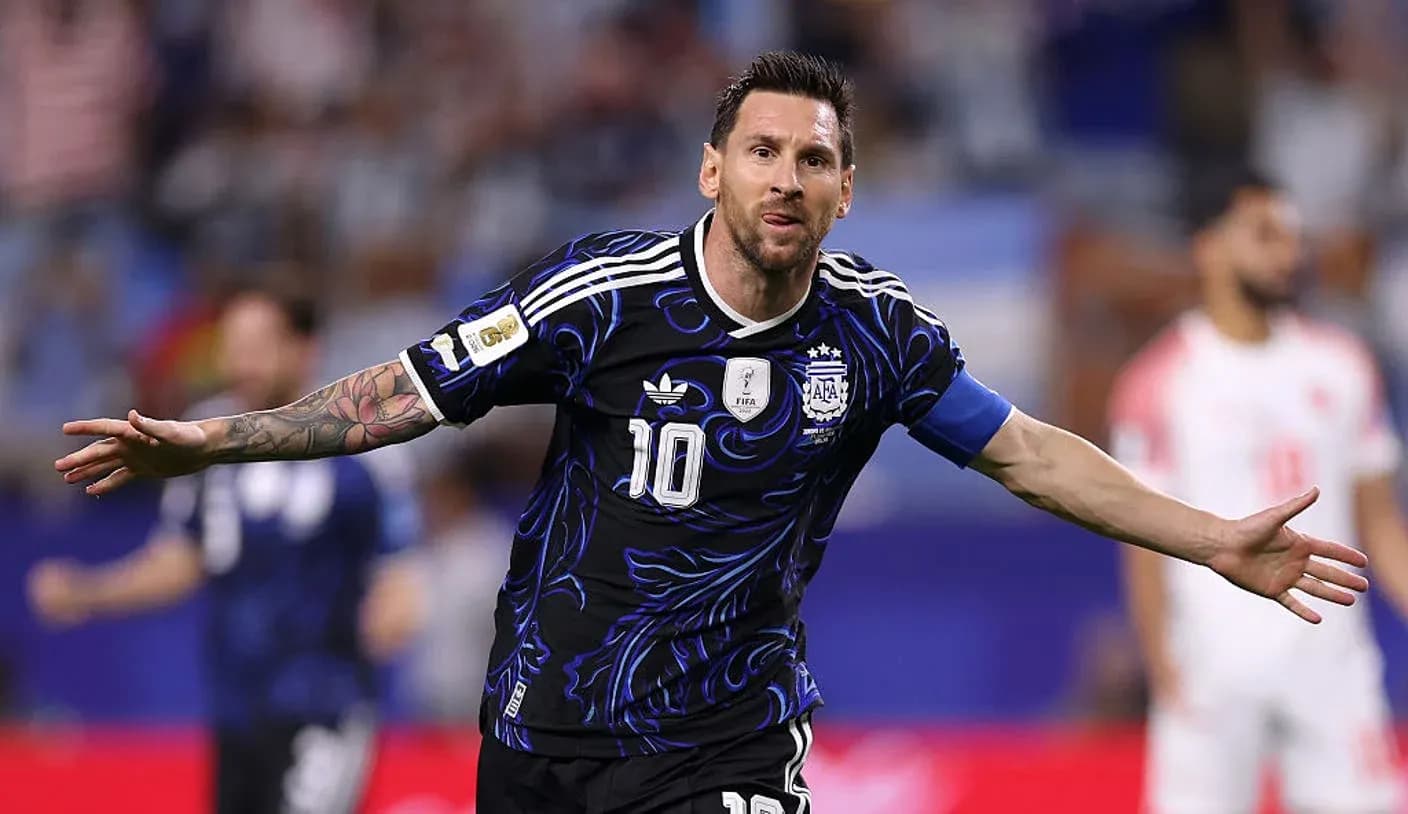
At the heart of it, still, is Lionel Messi. At 39, he shares the tournament’s scoring lead with six goals and has pushed his World Cup tally to 19. The numbers alone are staggering. The way he’s getting them is just as striking: drifting into pockets, dictating rhythm, then killing games with a single touch or pass. This is not a farewell tour. It’s a statement.
Cape Verde arrive from a different universe. No wins in the group, but no defeats either. Three draws, including a scoreless stalemate with Spain that felt like a victory in everything but name. Compact, organized, stubborn.
Their anchor has been Vozinha. The goalkeeper has stood up to elite attacks and refused to flinch, the last line of resistance for the Blue Sharks. His reward? Messi and the most efficient attack in the tournament.
The gap in pedigree is enormous. Argentina are stacked with world champions; Cape Verde are writing their first great World Cup chapter. Yet they have earned their place here, and they have already shown they can drag a heavyweight into a fight on their terms.
Still, there is no escaping the central truth of this match: Messi is the story. He is the obvious player to watch because there is no credible alternative. Nobody has found a way to keep him quiet for long. The question in Miami is simple and brutal — can Cape Verde do what no one else has managed, or will their fairytale run be the next canvas for another Messi masterpiece?
Colombia vs. Ghana: flair versus grind in Kansas City
The night closes in Kansas City with a clash of styles that could either explode or suffocate.
Colombia topped Group K with wins over Uzbekistan and DR Congo and a scoreless draw with Portugal. Their attack has been among the most fluid in the tournament, with Luis Diaz stretching defenses wide and James Rodriguez threading passes through impossible gaps. When Colombia click, they move like a team that knows exactly where the next pass will land.
Ghana come from a different angle. They squeezed through Group L as a third-place qualifier, built on a defense Carlos Queiroz has rapidly tightened. The numbers tell the story: just 15 shots across the entire group stage. This is not a side chasing chaos. It is a side trying to choke it.
Colombia are heavily favored, and they know it. That brings its own kind of pressure. They will see more of the ball, they will carry the expectation, and they will have to find ways to break down a team that wants this to be as low-event, as physical, and as ugly as possible.
At the center of it all stands James Rodriguez, Colombia’s captain and eternal contradiction. His club career has wandered, but the national team jersey still seems to unlock a different version of him. His vision remains sharp, his left foot still capable of changing games in a heartbeat.
Against Ghana, his job is bigger than assists and chances. He must control tempo, keep his teammates calm when the tackles fly, and lead when frustration creeps in. Ghana will try to slow everything down, drag Colombia into duels and disputes, and turn a flowing match into a scrap.
Three games, three very different tests. By the end of Friday, we’ll know if Australia or Egypt finally step into knockout history, whether Cape Verde’s dream can survive Messi, and if Colombia’s flair can survive a Ghanaian grind. The World Cup bracket is tightening. The margin for error is gone.