West Ham's Second Tier Challenge: Ownership Turmoil and Promotion Hopes
Ten summers on from the move that was meant to change everything, West Ham return to the London Stadium on Saturday with a reminder of how far, and how fast, they have fallen. A Carabao Cup first-round tie against Portsmouth, not a Premier League opener, marks the start of their season. The Europa Conference League glory of Prague in 2023 feels like a relic from another era.
Relegation has dragged the club into the Championship. The summer has done little to soften the blow. If anything, it has sharpened the edges.
A club in the second tier, and in limbo
Some clubs use a year downstairs to reset. West Ham did it in 2011-12 under Sam Allardyce, powering straight back up. The bookmakers expect something similar this time; the Hammers are short-odds favourites to win promotion.
The mood does not match the market.
Behind the scenes, the club has lurched through a summer of boardroom turbulence and power plays. While Nuno Espírito Santo prepares for Burnley, Charlton, Watford and Wolves in the opening weeks of the league campaign, the real contest has been for control of West Ham’s future.
On Saturday, Portsmouth will bring 9,000 away supporters to east London. The more intriguing question is who will be in the directors’ box.
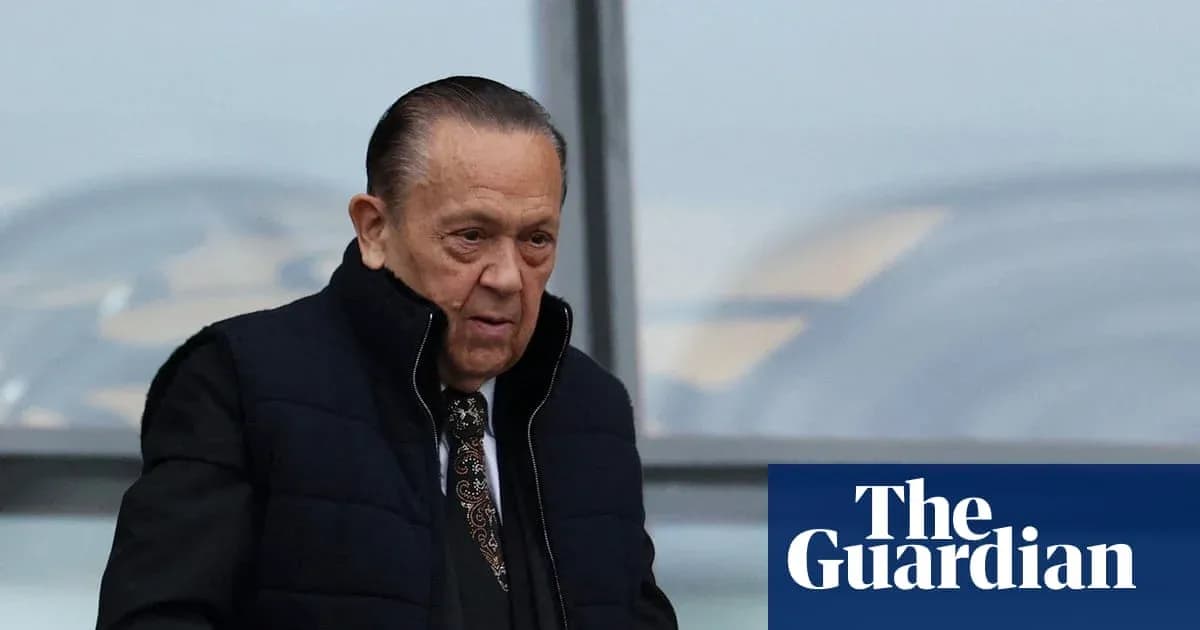
Sullivan at the eye of the storm
London Stadium’s operators have advised David Sullivan not to attend, warning of “potential for demonstrations and anti-social behaviour by some spectators”. The club’s own fans advisory board has said his presence would cause “offence and upset”.
The expectation is that he will come anyway.
Sullivan, still holding 38.8% of the club, wants to experience the season as a fan, or so the suggestion runs. Selling up can wait. It would be a brazen decision, given the backdrop. On 25 May, as relegation was confirmed despite a home win over Leeds, he had to leave early for his own safety.
He remains adamant in his denial of allegations of sexually exploitative and predatory behaviour towards women, aired by a BBC Panorama documentary in June. On the eve of that broadcast, he stepped down from his role “to avoid disruption to the club while he addresses the matter privately”.
The allegations landed on a man already deeply unpopular. Supporters had long targeted him for the club’s steep decline since that night in Prague. The £100m banked for Declan Rice in the summer of 2023 vanished into a recruitment strategy that never cohered. The squad thinned, the momentum drained, the fall became inevitable.
Jarrod Bowen, captain and Conference League hero, has at least committed to the cause. His task is stark: drag West Ham back up.
Power without a throne
For years, Sullivan acted as de facto director of football, much to the irritation of those paid to run the football side. His closest ally, Karren Brady, stepped down in April, ending a working partnership that stretched back to 1990. The vacuum has been obvious.
Yet the fanbase has not turned away. Around 50,000 season tickets have been sold for the Championship campaign, a remarkable show of loyalty in the circumstances. The message from the stands is clear: Sullivan must go, entirely.
His decision to step down from the front line had sparked a flicker of optimism, a sense that change might finally be coming. Potential buyers began to circle. What followed has been anything but straightforward.
Daniel Kretinsky, the Czech billionaire and Royal Mail owner, has owned 27% of West Ham since 2021 and looked the obvious heir. Many expected him to move quickly. Instead, this week he trimmed his stake to just under 25%. The cut was tactical, not a retreat.
Into that uncertainty walked a familiar figure.
Staveley, Kretinsky and the Gold stake
Last weekend Amanda Staveley re-entered the Premier League conversation. After helping bring the Saudi Arabian Public Investment Fund into Newcastle and then leaving the club in July 2024, she wants another project. West Ham is the target.
She had been linked with a move for Tottenham last September and is again understood to be seeking similar sources of funding to mount a bid in east London. Newcastle fans, watching their club list on the stock market this summer, have lamented her departure and the energy she brought. Some West Ham supporters now look at her network and see the possibility of a similar jolt.
The key lies in the 25% stake owned by the late David Gold’s family. His daughter, Vanessa Gold, is co-chair and controls that block. Kretinsky holds first refusal on it and appeared ready to exercise that right just as Staveley emerged.
Had he bought the Gold shares while retaining his 27%, his holding would have climbed above 50.1%. That threshold would trigger an obligation to make a formal takeover offer. To avoid that, Kretinsky shifted 2% of his stake to fellow Czech entrepreneur Jakub Havrlant, dropping himself under the 25% mark. From that position, he can still move for the Gold shares without automatically crossing into full takeover territory.
It is a move that complicates Staveley’s ambitions and leaves Sullivan’s 38.8% as the decisive bloc. Every conversation about the club’s future runs through him. Every potential new era is stuck at his door.
Staveley’s next step is awaited with real interest. For now, West Ham sit in a holding pattern, their ownership map redrawn but unresolved.
Selling to buy, again
While the boardroom twists, the football department has had to operate with restraint. The first senior signing of the summer, free agent Joël Veltman, brings experience from Brighton and Ajax but not the kind of headline that soothes a restless fanbase.
The real money has flowed out. Mateus Fernandes has joined Tottenham, Crysencio Summerville has gone to Al-Hilal. Between them, the two deals have raised around £140m, roughly equivalent to a year of Premier League broadcast revenue. That cash is survival money as much as transfer budget.
The sale of academy product Freddie Potts to Club Brugge for £10m has stung some supporters. Another homegrown hope, gone. Needs must, comes the reply from the balance sheet.
Targets have not been easy to land. There is interest in Ireland’s World Cup playoff hero Troy Parrott, currently at AZ Alkmaar, but persuading players in their prime to drop into the Championship remains a familiar problem.
Nuno’s calm in the chaos
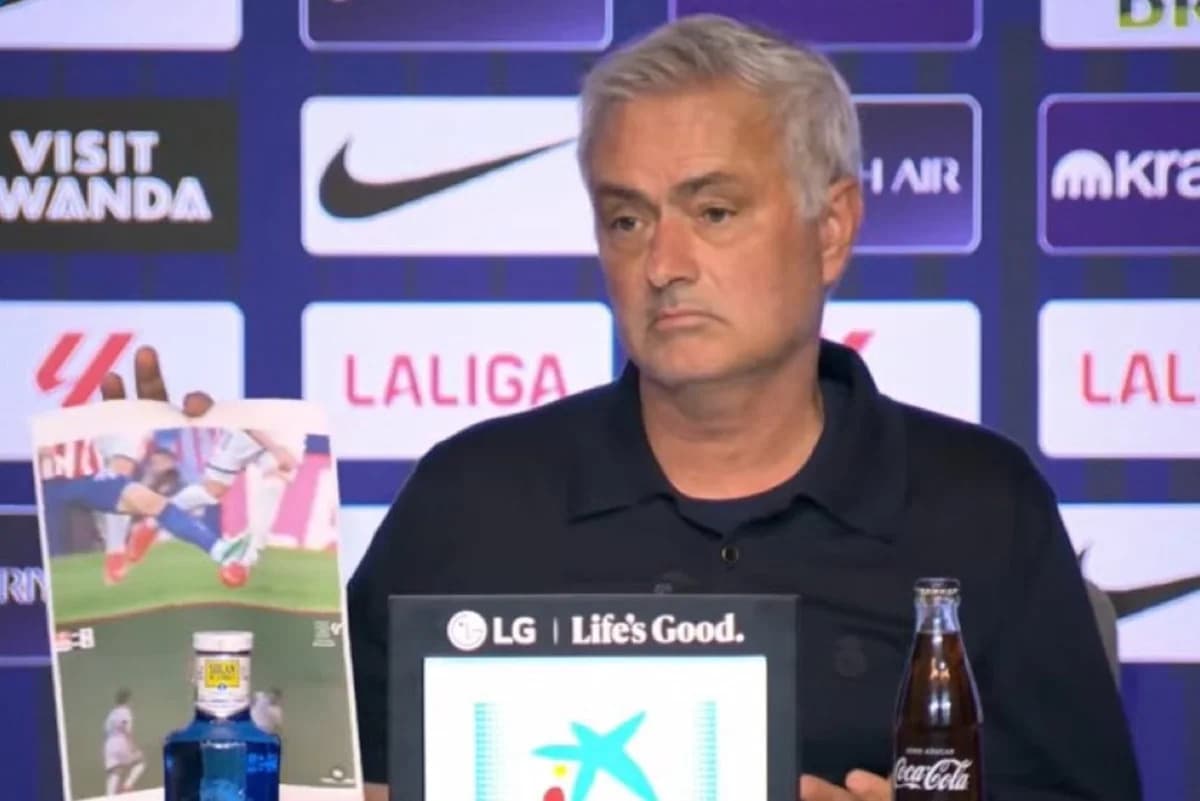
Through it all, Nuno Espírito Santo has stayed put. Many expected him to walk away after relegation. He did not. His measured touchline manner and refusal to panic might be exactly what West Ham require in a season that could easily spin out of control.
The pressure around him is intense. Sullivan’s situation, the absence of a decisive transfer surge, the constant noise about ownership – all of it feeds into a sense of fragility. Early league fixtures against Burnley, Charlton, Watford and Wolves will test both squad and mood long before autumn arrives.
There has at least been one stabilising appointment off the pitch. Karim Virani, a former West Ham executive who left in 2020 and later worked at Rangers, has returned as interim chief executive. His job is to stitch together a club fraying at multiple seams.
A stadium that never quite feels like home
While West Ham wrestle with their identity, their stadium continues to lead a parallel life. This summer, the London Stadium has hosted Take That, Metallica and a Diamond League meet in July where Josh Kerr broke the world mile record. On Thursday, a bid was confirmed to stage the 2029 World Athletics Championships, ending an impasse between the club and the venue’s owners.
It is another reminder that, a decade on from leaving the Boleyn Ground, West Ham still rent rather than rule. The terms struck by Sullivan, Gold Sr and Brady continue to rankle with large sections of the support. The ground has never fully felt like theirs. For Sullivan in particular, it is unlikely to feel welcoming any time soon.
So the new season begins: a big club in the second tier, 50,000 season-ticket holders, a manager clinging to calm, a captain carrying the weight of a promotion push, and an ownership saga that refuses to resolve itself.
West Ham know what the Championship can be: a springboard or a trap. Which one awaits them now?