Virgil van Dijk on Liverpool's Transition Season
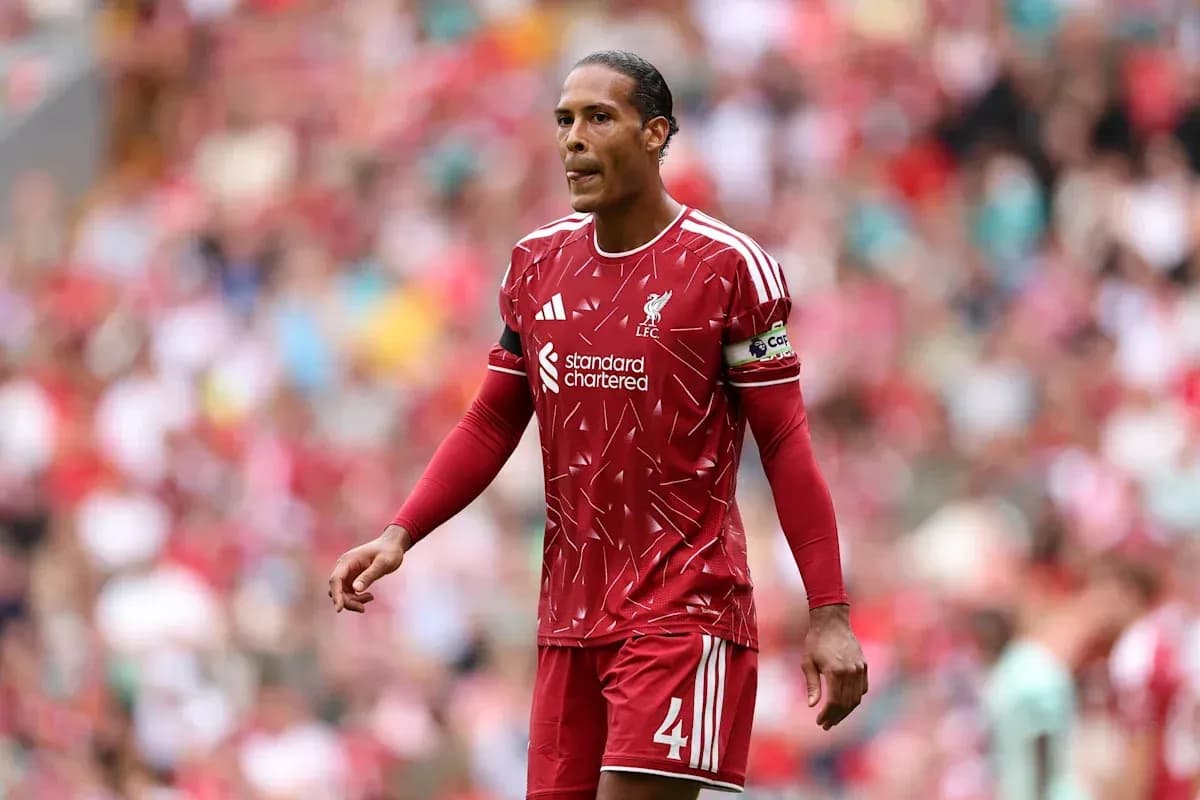
Virgil van Dijk has seen enough football seasons to know when a club is on the cusp of change. This one, he says, will be exactly that for Liverpool.
A transition. And a demanding one.
The Dutch defender, now the senior figure in a reshaped dressing room, did not try to dress it up. With Andoni Iraola stepping in as manager and two pillars of the modern Liverpool era – Mo Salah and Andy Robertson – gone, the landscape at Anfield looks very different to the one that lifted the Premier League title just two years ago under Arne Slot.
"It definitely feels like a bit of a transition, for sure," van Dijk admitted, framing the season ahead as a collective test of nerve and ambition rather than a gentle reset. The message was clear: no one at Liverpool gets to hide behind the word “transition”.
He spoke about responsibility, not romance. "It's down to everyone associated with Liverpool to make sure that we're building something that will be successful for the years to come." This is not just about clinging to past glories. It is about constructing the next version of Liverpool that can live in the same company.
The challenge is brutal. Premier League. League Cup. FA Cup. Champions League. Four competitions, one squad still adjusting to a new manager, a new style, and the absence of two of its most recognisable faces.
"This year we want to be successful," van Dijk said, before quickly acknowledging the scale of the task. There is “a lot of work to be done still”, he stressed, and no illusions about the grind of English and European football. The demand, as he sees it, is simple: “we need everyone at their best."
That “everyone” includes him, perhaps more than ever.
At 35, questions about his durability are inevitable. Van Dijk met them head-on, bristling at the suggestion that age might blunt his influence or his availability.
"Yes," he replied when asked if he can still go week in, week out. "What, are you going to say I'm 35 years old and I can't do it?" The defiance was unmistakable. This was a captain’s response, a defender unwilling to be quietly eased into the background.
He talked about the standards he sets for himself, the unseen work that allows him to keep stepping onto the pitch every three days. "At the end of the day you have to look after yourself," he said. It is not luck, in his view, but a non-negotiable level of professionalism. "You have to do everything in your power, and that's the bare minimum for me, because I feel the responsibility to be ready each and every game."
Home, training ground, recovery, preparation – he framed it all as part of a duty, not a sacrifice. "Every three days I'm doing everything in my power at home, at the training ground, to be ready to play a game. So, for me, I feel good."
He even allowed a glimpse of self-awareness, calling himself a “late bloomer” and shrugging off the number attached to his age. "It is what it is, I feel fine, and I want to be part of a successful Liverpool team."
That desire remains anchored in the same thing that has driven Liverpool’s best years under previous regimes: the bond with the supporters. Van Dijk’s words circled back to them, to the global reach of the club and the obligation that comes with wearing the shirt.
"I want to make all the fans proud all over the world that support us wherever we go," he said. The route to that pride, in his eyes, is not complicated. "That's by winning games, that's by showing what it means to wear that shirt every time, and that's for me the bare minimum anyway, so I will keep going."
Transition season or not, Liverpool’s captain has laid down the terms. No excuses. No soft landings. Just the expectation that, under a new manager and with old heroes gone, those who remain prove they are worthy of starting the next chapter.