Van Persie Defends Sterling Amid Cynicism After Feyenoord Start
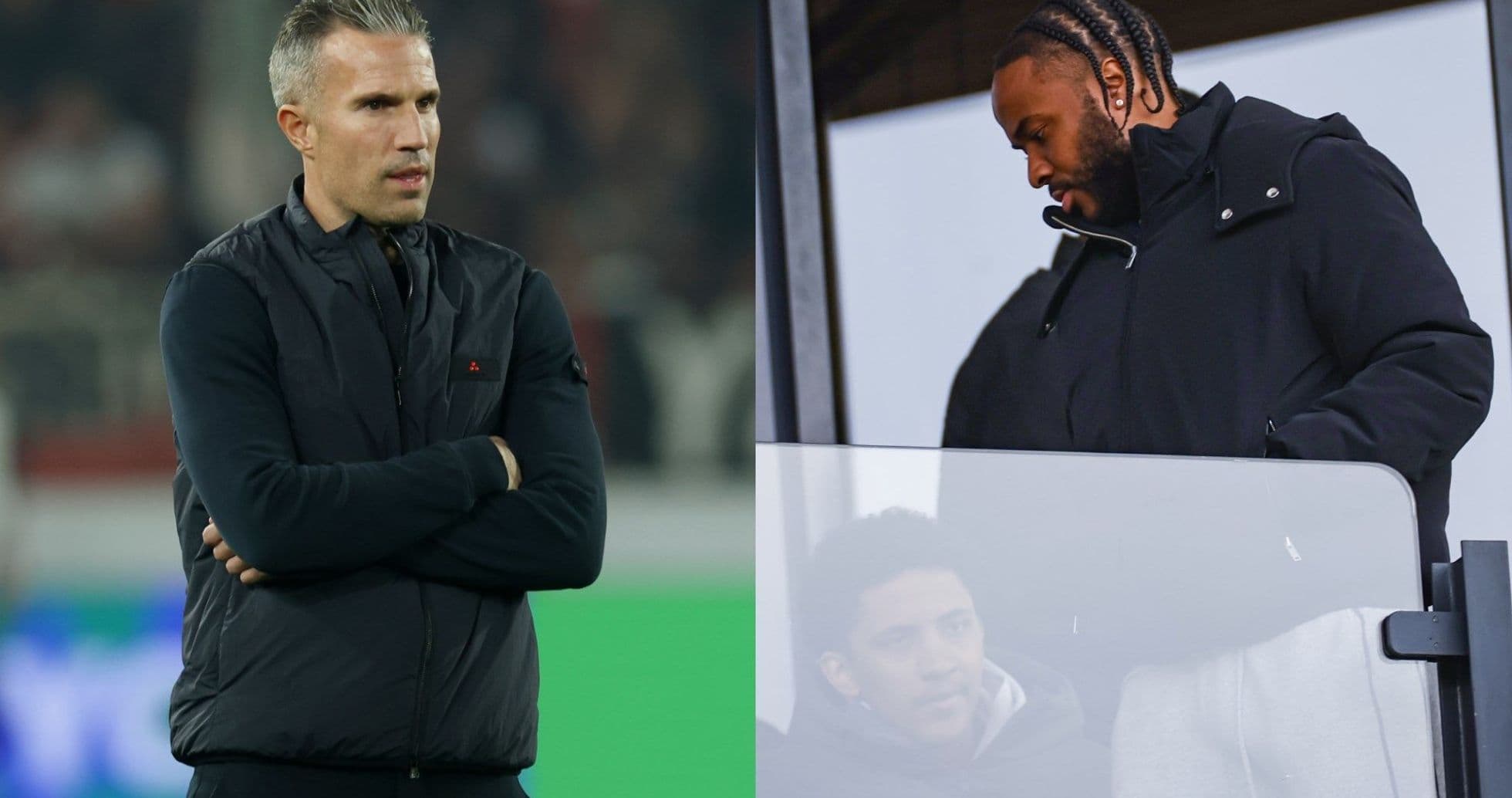
Raheem Sterling finally had his chance. On the final day of the season, with second place on the line, Robin van Persie handed the England international a rare start for Feyenoord and kept him on for more than 70 minutes as Zwolle were beaten and runners-up spot secured.
It was not a sparkling audition. Not a disaster either. A mixed bag, in the words – and tone – of his manager. But Van Persie had little interest in dissecting Sterling’s every touch. His real target stood elsewhere: the mood music around his winger.
“He was unlucky at times,” Van Persie told reporters, picking through the performance. “But there were also a number of times where he was in a good position. In the second half, for example, when he produced a good run inside.”
Then he shifted gear.
“Personally, I struggle with the cynicism surrounding him. I think respect is more appropriate. In any case, I don't like cynicism. I can't stand the whole atmosphere around him.”
This was not a casual aside. It was a deliberate intervention from a coach who knows what it is to live under the floodlights of scrutiny. Van Persie, the former Arsenal and Manchester United forward, made it clear he feels the Dutch football public has been far too quick to sneer at a player whose résumé dwarfs most in the Eredivisie.
Sterling arrived in Rotterdam with a massive profile and a bulging CV: multiple Premier League titles, nearly 100 England caps, more than a decade operating at the sharp end of elite football with Liverpool, Manchester City and Chelsea. For Van Persie, that history matters. It should shape the conversation, not be brushed aside the moment form dips.
“He has scored 200 goals in England and played 82 international matches,” the Feyenoord coach pointed out, letting the numbers hang in the air. “And that is regardless of whether you think he plays well or not. But I think the way we handle this as a footballing nation is really very bad.”
The message was unmistakable. Respect the career, even if the present looks complicated.
Van Persie argued that the Dutch football culture has slipped into a habit of tearing down reputations rather than appreciating what it takes to build them. In Sterling’s case, he believes the tone has tipped from criticism into something more corrosive.
“Everyone has to know their place in that. And I think we sometimes go a bit overboard in the Netherlands regarding that,” he said, broadening the discussion from one player to the wider game.
The pressure on Sterling has been intense since he landed in Rotterdam as a marquee name for the Eredivisie. Expectations were towering; the patience, less so. Van Persie senses a local environment that has been hostile instead of curious, eager to pounce on every misstep instead of weighing them against a decade at the highest level.
On the pitch against Zwolle, there were glimpses but no grand statement. A few promising positions, that sharp second-half run inside, moments where the old acceleration and timing flickered. Enough for a coach to see a platform. Not enough to quiet the noise.
Sterling chose not to speak to the media after the win, walking past the microphones as the questions gathered without him. Van Persie, though, made it clear the conversation with his winger will not be left to headlines and talk shows.
“I am going to discuss that with him tonight,” he revealed. “We are having dinner with the group tonight. Then I will take a moment with him.”
A private word, after a public defence. One of the great Dutch forwards standing between his player and a sceptical audience, asking a simple question of his own country: if a career like Sterling’s doesn’t earn a measure of respect, whose will?