Van der Vaart Critiques Koeman’s Tactical Gamble Against Morocco
Rafael van der Vaart did not bother with diplomacy. Live on Dutch broadcaster NOS, the former Real Madrid midfielder watched the Netherlands’ campaign unravel and went straight for the heart of the problem: Ronald Koeman’s tactical gamble in midfield.
The Dutch had fought their way through a tricky group. They had rhythm, a sense of direction, a team slowly knitting itself together. Then came Morocco – and a game plan that tore all of that up.
Van der Vaart tears into Koeman’s midfield gamble
“What goes on in your head that makes you change everything against Morocco?” Van der Vaart asked, disbelief etched into every word. The frustration was not about one bad pass or one missed tackle. It was about structure, or rather the sudden lack of it.
Koeman’s reshuffle left the centre of the pitch wide open, exactly where Morocco are strongest. Their midfield is the engine, the control room, the place where they squeeze opponents and dictate tempo. Van der Vaart could not believe the Netherlands chose to face that strength with a stripped‑back engine room.
“I think Morocco's midfield is their strongest asset. And then you decide to play against them with just two men?” he said, calling the decision “a bit clumsy”. The Dutch were outnumbered and outplayed in the very zone that should have belonged to them.
The consequence was brutal: the Netherlands barely saw the ball. Passes bypassed the middle, long clearances replaced composed build-up, and the team’s supposed conductor was left waving a silent baton.
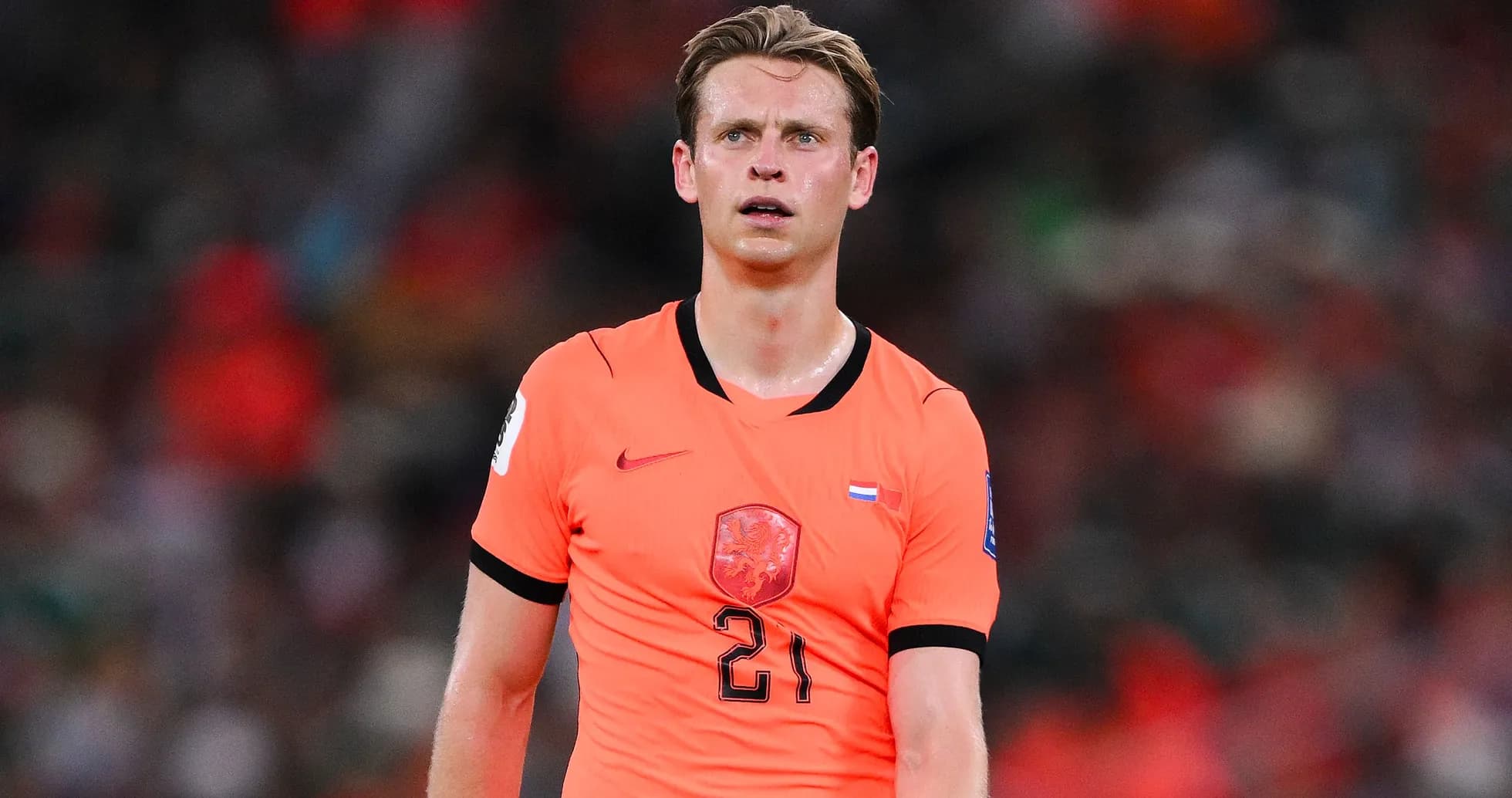
Frenkie de Jong left stranded and “invisible”
No one felt the tactical chaos more than Frenkie de Jong. Van der Vaart, usually a defender of creative players, did not spare him.
“Frenkie played the absolute worst game I’ve ever seen from him today. Truly disappointing. But is that because of the system?” he asked.
That question cut to the core of the debate. De Jong thrives when his team dominates possession, when he can drop deep, receive, turn, and pull opponents apart. Here, he chased shadows. With the midfield thinned out, Morocco swarmed the ball, and the Dutch playmaker simply never got the platform he needs.
“Frenkie is only effective when you have the ball, but we didn't have the ball at all today, so Frenkie was completely invisible. And he is supposed to be our main man,” Van der Vaart said. The indictment was harsh, but it was aimed as much at the tactical set-up as at the player.
He lasted until the 110th minute before being replaced by Marten de Roon, a substitution that symbolised the evening: the creative hub sacrificed after being starved of the ball from the first whistle.
Even Cody Gakpo, who found the net, barely escaped the criticism. Van der Vaart pointed out that the scorer of the Dutch goal was “barely involved either”, another victim of a system that never allowed the team’s attacking talent to breathe.
A campaign ends, and the questions begin
Koeman’s gamble did not just cost the Netherlands control of a match. It has opened up a far deeper conversation about the direction of the national team.
The squad now flies home to face what promises to be a ruthless internal review. Senior players underperforming, tactical identity in doubt, and an ageing core suddenly exposed on the big stage – the alarms are ringing loudly around Oranje.
While Morocco move on with momentum and a clear identity to a last‑16 tie against Canada in Houston, the Dutch return with nothing but regrets and a manager under intense scrutiny. Koeman must now decide how bold he is willing to be: double down on his ideas or rip up his own plans and start reshaping a squad that no longer looks built for the demands of modern tournament football.
The next international cycle will not wait. The question is whether the Netherlands learn from this self-inflicted wound in midfield, or let it define the end of an era.