UEFA Payment Allegation Involving Gianni Infantino
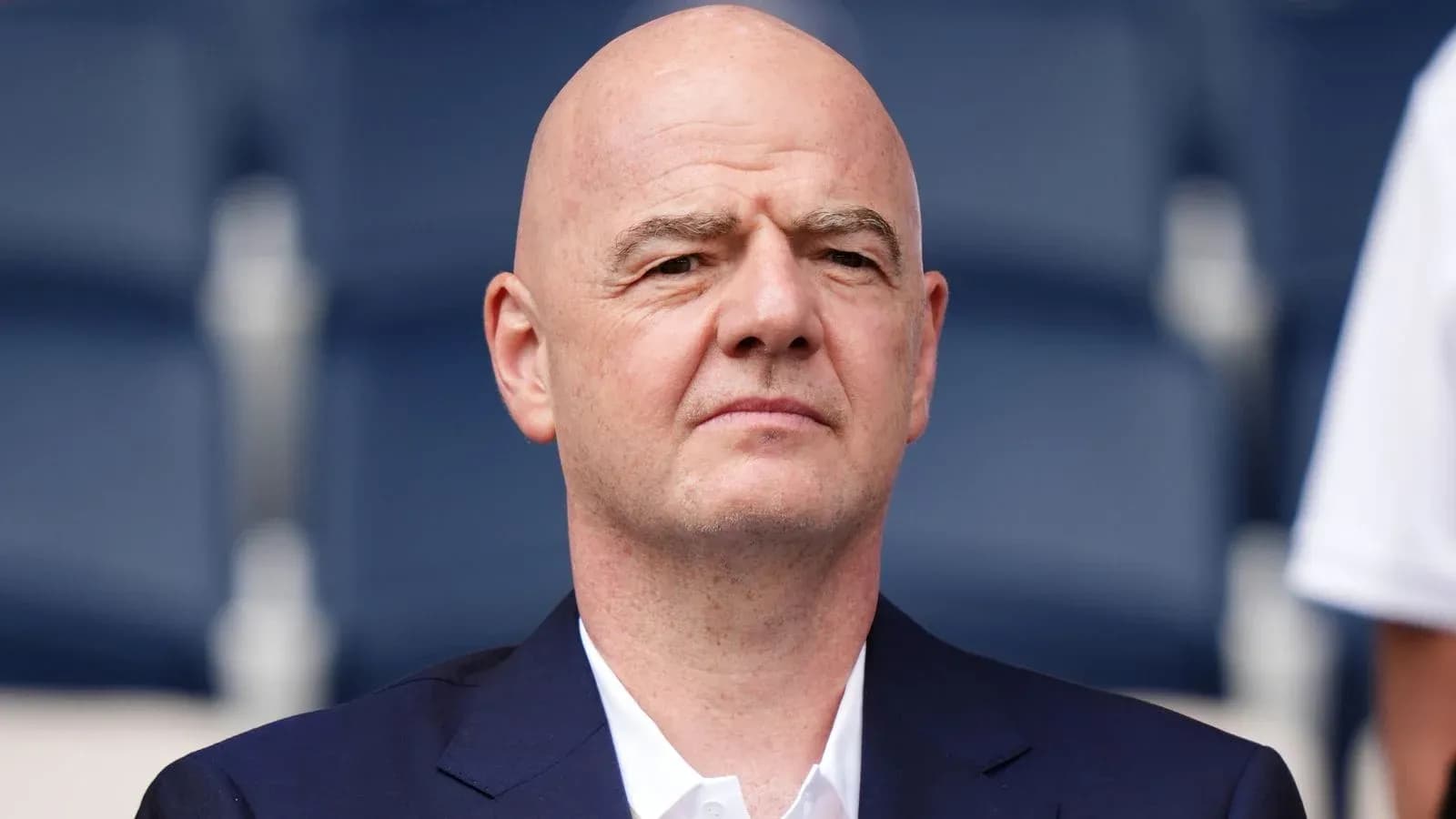
UEFA has acknowledged it is aware of an allegation that European football’s governing body paid off an alleged mistress of Gianni Infantino during his time in Nyon.
According to The Telegraph, while Infantino was serving as general secretary at UEFA, a woman said to have been in a relationship with the current FIFA president received a six-figure payment. The report states that UEFA covered the cost of her MBA (Master of Business Administration) at a local business school after she left the organisation.
The story drops into a sport still scarred by years of governance scandals. This time, the focus lands on the man who rose from UEFA’s corridors to the most powerful office in world football.
FIFA moved quickly to reject the claims. In a statement to The Telegraph, a FIFA spokesperson said: “FIFA president Gianni Infantino strongly denies these allegations, and they are categorically untrue. Any insinuation of inappropriate conduct or violation of statutes or regulations is defamatory.
“No employee at UEFA and FIFA has ever raised a complaint regarding Mr Infantino's behaviour because there never was an incident where he was involved. All company actions related to employees, including any departure and severance packages, have always been approved by the appropriate directors in accordance with all applicable regulations.”
UEFA, contacted separately by Sky Sports News, did not dispute that a payment was made. Instead, it stressed the package fell within the rules in place at the time.
In its statement, UEFA said: “We are aware of the allegations and can confirm a departure payment was made to the individual in question, coupled with the payment of fees for an MBA course at a local business school.
“The payment was in line with the regulations that existed for departing staff at the time. Such regulations have been tightened since 2016 and the current staff regulations – which apply to all UEFA employees at whatever level – reflect those found in a modern, high-profile organisation.”
That line is crucial. UEFA is effectively saying: yes, the money went out, but it went out through the front door, signed off and compliant with its internal framework at the time. Only later, in 2016, were those rules tightened.
The timing intersects directly with Infantino’s own rise. He worked at UEFA from 2000, climbing to the role of general secretary, before leaving in 2016 to become FIFA president in the wake of Sepp Blatter’s departure and the corruption crisis that engulfed Zurich.
Now, as FIFA again finds itself answering questions about the man at the top, Sky Sports News has contacted the organisation for further comment. Whether this latest controversy fades into the background or deepens the scrutiny on football’s leadership will depend on what, if anything, emerges next from behind UEFA’s and FIFA’s boardroom doors.