Thomas Tuchel's Gamble at the World Cup: England's Collapse Against Argentina
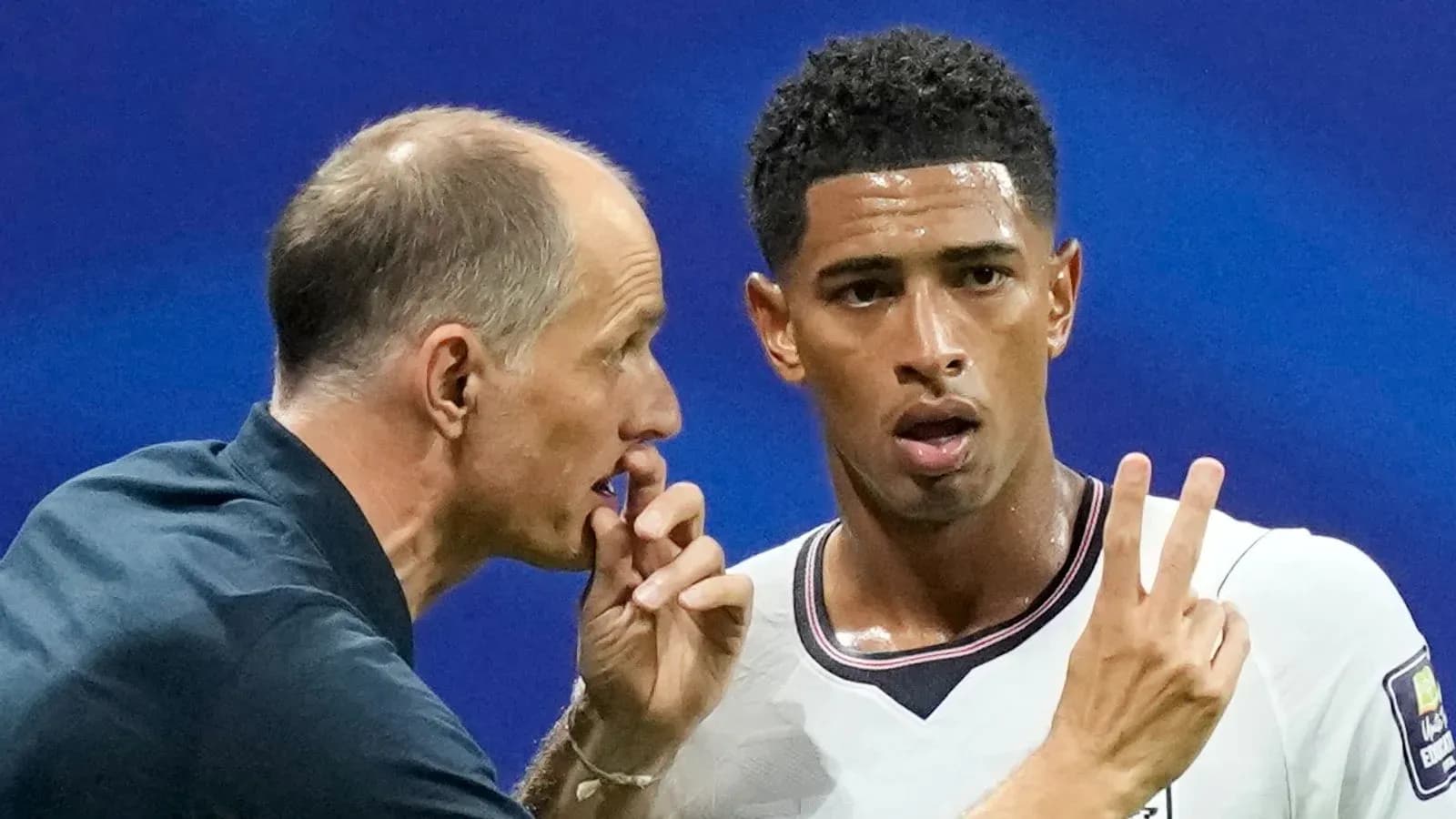
Thomas Tuchel came to this World Cup as England’s gambler-in-chief. He tore up the safe squad list. He trusted form, instinct, and what he kept calling “feelings”. A patched-together win over Mexico with 10 men. Morgan Rogers thrown into a semi-final on a hunch. It all fed into the myth of a coach who could see a game half an hour ahead of everyone else.
Then one decision dragged England out of a World Cup final.
For an hour, the script felt different. This was the night England were supposed to step out of their own history. Rogers, the surprise starter, justified every raised eyebrow with a surging run and a perfect cross. Anthony Gordon arrived at the back post, finished, and for a few seconds Tuchel’s gamble looked like genius again.
England led Argentina. The first draft of a famous win was on the page.
And then, as so often with this team at major tournaments, the story bent back on itself.
The collapse did not come with a single moment of chaos, but with a slow retreat. After Gordon’s goal, England shrank. In the 15 minutes that followed, they saw just 17 per cent of the ball and managed only nine touches in the Argentina half. The lead, instead of liberating them, seemed to tighten every muscle.
Argentina probed. Nico Gonzalez went close with a header. Lionel Messi drifted, demanded the ball, dictated the tempo. Yet Jordan Pickford still had not been asked to make a truly serious save. The danger was growing, but it was not yet overwhelming.
Then came the hinge point.
In the 71st minute, Tuchel sent on Ezri Konsa and moved to a back five. Gordon’s number went up. England’s most direct outlet walked off. The message to Argentina, and to his own players, was unmistakable: hold what we have.
It was a conservative change from a coach hired precisely to move England away from that reflex. And it backfired brutally.
With Konsa on and the shape altered, England’s attacking threat all but vanished. Rogers, now notionally operating behind Harry Kane alongside Jude Bellingham, touched the ball once between the substitution and Lautaro Martinez’s winner. Once.
Across those 21 minutes, England’s share of possession sank to 7.2 per cent. Eight touches in the opposition half. Not a single cross delivered. The team that had taken the lead against the world champions stopped playing.
Tuchel appeared to want Djed Spence and Reece James to surge forward as wing-backs in his familiar 3-4-3, the system that has underpinned much of his club success. The reality was starkly different. Between them, James and Spence touched the ball once in the Argentina half for the remainder of the game.
With so few players high up the pitch, England simply handed Argentina the ball and waited. They did so against a side built to pass through pressure, with the greatest playmaker of all time desperate to be involved. Messi did exactly what England feared he would do, knitting attacks together and supplying both of Argentina’s goals.
Konsa, brought on to steady the defence, never actually won the ball back for England. He did, however, lose it five times. The back line dropped deeper, the midfield retreated with it, and Kane became a lonely figure, marooned up front with no support and no passes.
Tuchel has built a reputation on his willingness to correct his own mistakes mid-game. He has ripped up plans, reversed substitutions, and changed shapes inside 10 minutes when he sensed danger. Not here. As England’s grip loosened, he stayed locked to the plan.
Instead of restoring an attacker or rebalancing the midfield, he turned to Dan Burn and Nico O’Reilly late on. The changes felt like tweaks, not a rescue operation. By then, Argentina had full control and England had no route back.
Perhaps the win over Mexico had lodged too firmly in the mind. Reduced to 10 men, England had survived an aerial bombardment in the Azteca, defended deep, and held on. That night, the backs-to-the-wall approach made sense. Mexico hurled cross after cross into the box. Tuchel built a wall and dared them to break it.
Argentina were never going to play that way. This is a team that wants the ball, angles, combinations. A team that lives for the spaces England willingly surrendered. Against Mexico, deep defence was a solution. Against Messi, it was an invitation.
The broader pattern is impossible to ignore. England have now scored first in seven of the 13 knockout games they have lost in the last 30 years. They are the only team this century to take the lead in a World Cup semi-final and fail to reach the final. They have now done it twice.
Tuchel was supposed to be the man to break that cycle. Under Gareth Southgate, England learned to beat the teams they were expected to beat and stumbled when cast as underdogs. Tuchel’s arrival was sold as the next step: same foundations, sharper edge, braver in the biggest moments.
At times this tournament, that promise looked real. The rousing half-time intervention against Croatia. The bold attacking changes that turned matches. The perfectly timed defensive reshuffle at the Azteca. All of it suggested that in-game management, so often England’s weakness, might finally be their strength.
Which is why this defeat will sting so sharply. Tuchel has already committed to seeing out his two-year contract extension through Euro 2028. There is time to reshape this team, to harden it, to learn from a night when instinct deserted him.
But the irony will linger. The coach brought in to kill England’s fear of big occasions reverted, at the crucial moment, to the very defence-first caution he had vowed to leave behind. One throw of the dice too many, in the wrong direction.
And that choice, more than any missed chance or wayward pass, is what England will have to live with until the next tournament rolls around.