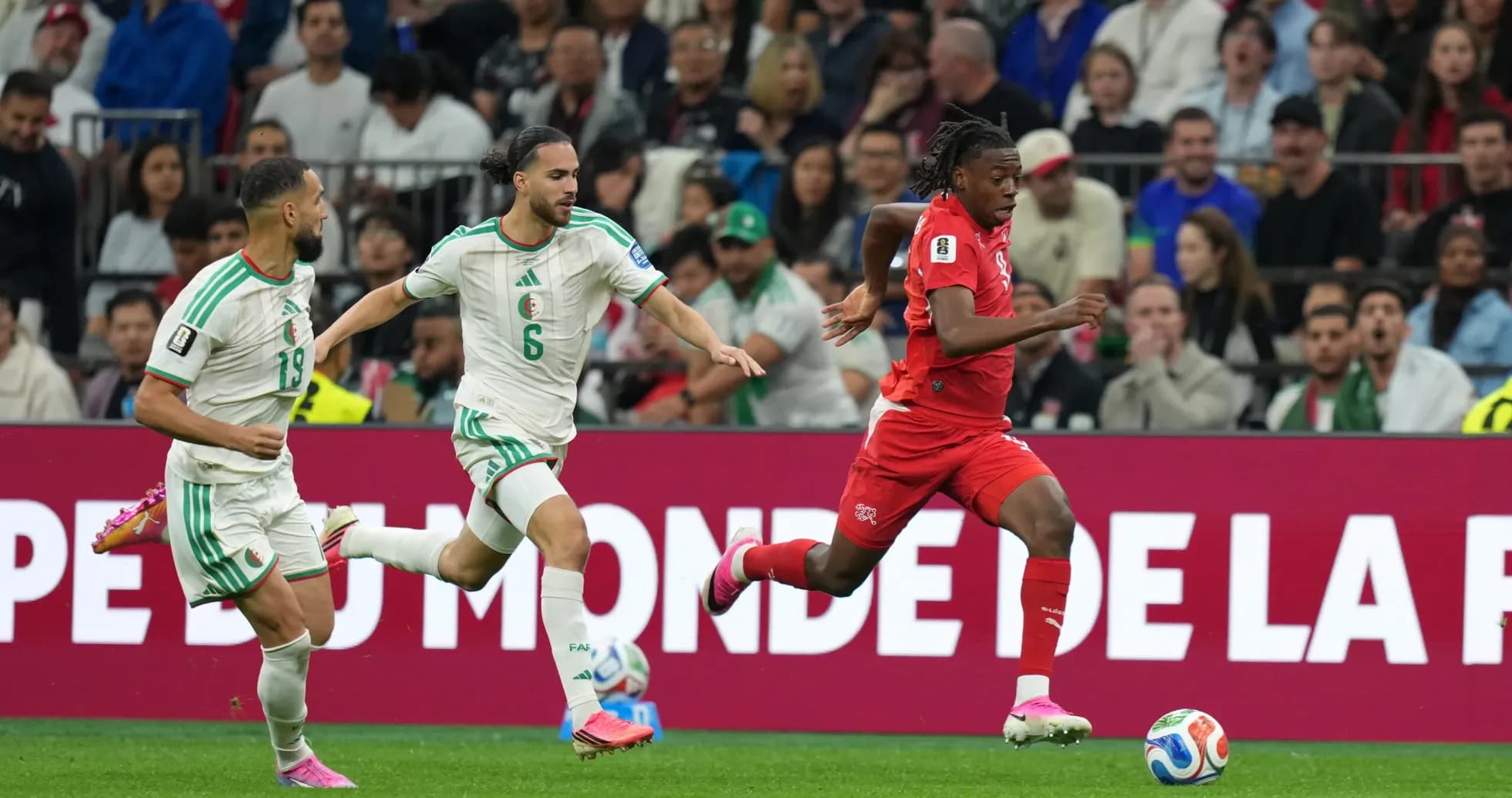
Switzerland vs Algeria: World Cup Round of 32 Match Analysis
Under the Vancouver roof at BC Place, the Round of 32 brought together two sides whose group-stage stories could not have been more different. Switzerland arrived as the authoritative winners of Group B, top of their section with 7 points and a goal difference of 4 after 3 matches, a team whose tournament rhythm read DWWW across all games. Algeria, third in Group J with 4 points and a goal difference of -2 from their 3 group fixtures, had edged into the knockout phase with a more fragile narrative: form listed as LWDL overall, flashes of attacking promise wrapped in defensive vulnerability.
The 2–0 full-time score in Switzerland’s favour felt less like a surprise and more like the logical extension of their seasonal profile. Heading into this game, they had played 4 World Cup matches in total, winning 3 and drawing 1, with no defeats. At home-designated venues they had 3 wins from 3; on their travels, 1 draw from 1. Across the campaign overall they had scored 9 goals and conceded 3, a total average of 2.3 goals for and 0.8 against per match. Algeria’s path, by contrast, was inherently unstable: 4 games overall, just 1 win and 1 draw, 2 defeats, with 5 goals scored and 9 conceded. Their overall averages told the story starkly: 1.3 goals for per match, 2.3 against.
I. The Big Picture – Structures and Identities
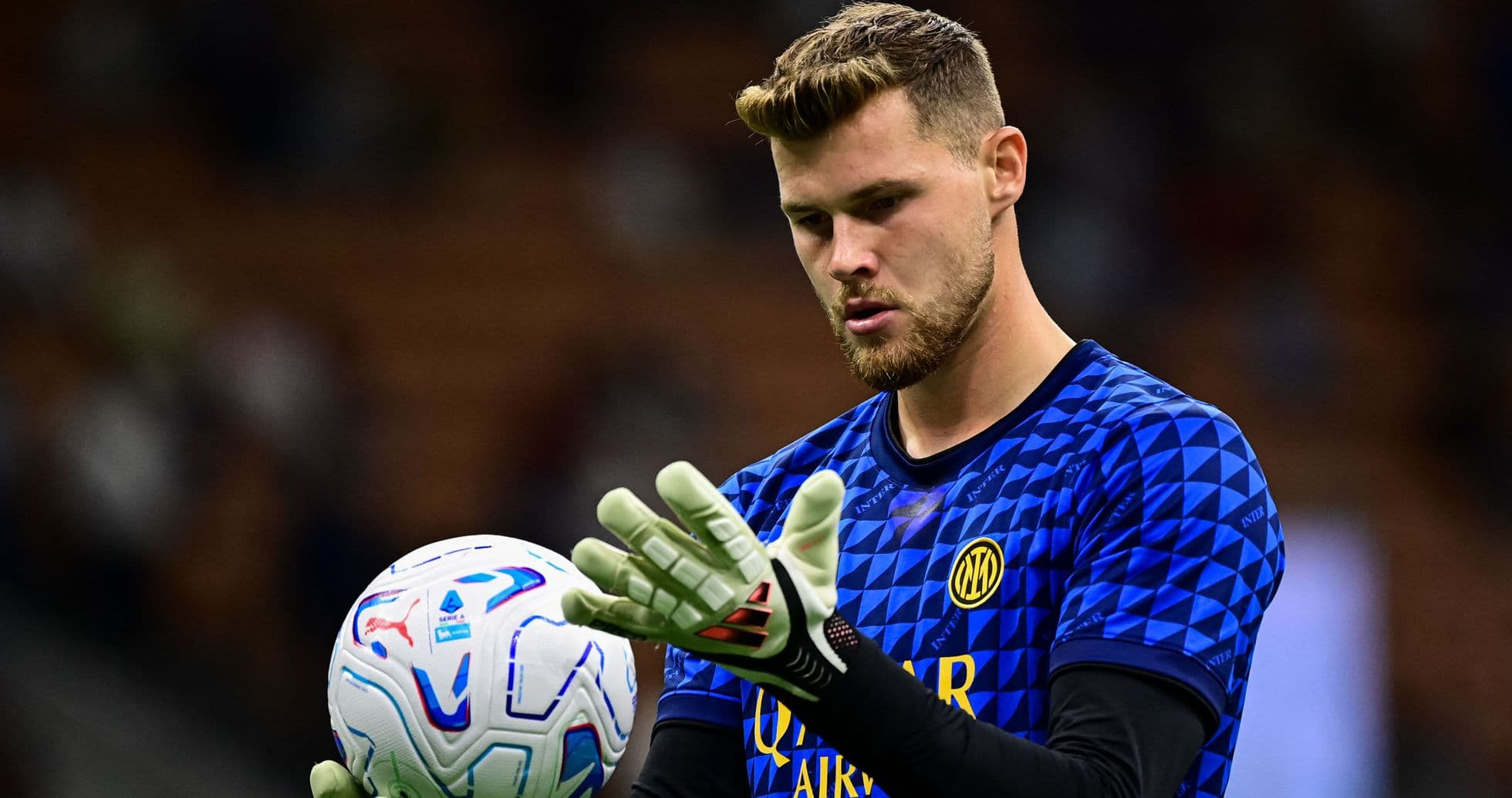
Murat Yakin doubled down on Switzerland’s evolving identity with a 4-2-3-1 that looked almost purpose-built for tournament control. Gregor Kobel stood behind a back four of Denis Zakaria, Nico Elvedi, Manuel Akanji and Ricardo Rodriguez. In front of them, Remo Freuler and Granit Xhaka formed a double pivot designed less as a shield and more as a metronome, setting the tempo that would define the night.
Ahead of them, the three attacking midfield slots were handed to Dan Ndoye on the right, Johan Manzambi centrally, and Ruben Vargas on the left, with Breel Embolo leading the line. It was a structure that mirrored Switzerland’s broader World Cup pattern: a team that prefers to dominate zones rather than chase chaos, comfortable in a variety of shapes but at its most balanced in this 4-2-3-1, which they had already used twice in the competition.
Algeria, under Vladimir Petkovic, matched up in a 4-3-3 that looked bold on paper. Lukman Zidane was protected by a back line of Rayan Belghali, Aïssa Mandi, Ramy Bensebaini and Rayan Ait-Nouri. The midfield three of Ramiz Zerrouki, Nabil Bentaleb and Farès Chaibi was meant to knit defence and attack, feeding a front line of Riyad Mahrez, Islam Maza and Houssem Aouar. It was a continuation of their tournament habit: oscillating between 4-3-3 and 4-2-3-1, searching for a balance they never fully secured.
II. Tactical Voids – Absences and Hidden Costs
Both sides carried small but telling absences into the tie. Switzerland were without L. Jaquez, ruled out with a muscle bruise. On paper, one player in a deep, well-drilled squad; in practice, it reduced Yakin’s flexibility for late defensive reshaping or energy injection in wide areas. Algeria missed A. Benbouali through a wound, trimming Petkovic’s attacking options from the bench at precisely the stage where knockout games often hinge on fresh forwards.
Disciplinary trends across the tournament also framed the contest’s edge. Switzerland’s yellow-card pattern showed a clear spike before half-time: 2 cautions in the 31–45 minute window, accounting for 66.67% of their bookings, with another 33.33% arriving between 61–75 minutes. Algeria mirrored that almost exactly: 66.67% of their yellows also arrived in the 31–45 minute range, 33.33% between 61–75. This shared tendency to lose discipline just before the interval and around the hour mark hinted at phases where the match could tilt on a rash tackle or a tactical foul.
III. Key Matchups – Hunter vs Shield, Engine Room vs Enforcer
The headline duel was always going to be Johan Manzambi against Algeria’s defensive spine. Heading into this tie, Manzambi had emerged as one of the World Cup’s most efficient young attacking midfielders: 4 appearances, 200 minutes, 3 goals and 2 assists, with 4 shots in total and 3 on target. He combined that productivity with 14 dribble attempts and 5 successful take-ons, plus 31 duels contested and 9 won. Operating as the central “10” in Switzerland’s 4-2-3-1, he was the hunter tasked with exploiting the spaces between Mandi and Bensebaini, and the zones behind Zerrouki and Bentaleb.
Against him stood an Algerian unit whose numbers betrayed their vulnerability. On their travels they had conceded 6 goals in 3 matches, an away average of 2.0 goals against per game. Overall, their defensive record – 9 conceded in 4 fixtures – made their goal difference of -4 (5 for, 9 against) a glaring red flag. The question was not whether Manzambi would find pockets, but how often and how decisively.
Behind Manzambi, the engine room battle paired Xhaka and Freuler against Zerrouki and Bentaleb. Switzerland’s double pivot is built for knockout football: Xhaka’s distribution and leadership married to Freuler’s positional discipline. Their job was twofold – to deny Mahrez the transitional counters he thrives on, and to feed Embolo early and often.
Embolo himself arrived as a dual-threat figure. Across the tournament he had 2 goals and 2 assists, 6 shots with 4 on target, 8 key passes and a perfect dribble success rate from 3 attempts. His 35 duels contested and 18 won underlined the physical dimension he brought to the Swiss front line. Against an Algerian defence that had already suffered a 3-0 away defeat in this World Cup, Embolo’s capacity to pin centre-backs and open lanes for runners was always likely to be decisive.
On the other side, Mahrez remained Algeria’s notional spearhead, flanked by Aouar and Maza. But the structural issue lay behind them: a midfield that had to both screen and create, and a back four that had yet to register a single clean sheet in the tournament. Algeria had failed to score in 2 of their 4 games overall, a worrying ratio for a side built around a marquee forward.
IV. Statistical Prognosis – Why 2–0 Felt Inevitable
Switzerland’s season-long numbers framed this result as an almost textbook outcome. At home-designated venues they averaged 2.7 goals for and just 0.7 against; away, 1.0 for and 1.0 against. Across all venues, their biggest win so far had been 4-1 at home, and they had kept 1 clean sheet overall while failing to score in none of their matches. Their penalty record was flawless: 2 taken, 2 scored, 0 missed, underscoring a clinical edge in high-pressure moments.
Algeria, by contrast, had yet to enjoy a clean sheet anywhere. On their travels they averaged only 0.7 goals for per match and 2.0 against, with both of their failures to score coming away from home. Their biggest away defeat, 3-0, and their biggest away win, 1-2, encapsulated their volatility: capable of a punch, but far more often on the ropes.
Overlay those patterns on the tactical map at BC Place and the 2-0 full-time scoreline reads like the meeting point of form and structure. Switzerland’s controlled aggression, built around Manzambi between the lines and Embolo’s all-round centre-forward play, ran straight into an Algerian side whose defensive averages and lack of clean sheets made resistance over 90 minutes unlikely.
Following this result, the narrative hardens. Switzerland continue their World Cup run as a side whose numbers and eye test are finally aligned: compact, efficient, and ruthless when their creators receive between the lines. Algeria exit with their story defined by imbalance – flashes of quality from Mahrez and company, but ultimately undone by a defensive profile that never matched their attacking ambition.