Amanda Staveley Eyes 25.1% Stake in West Ham United
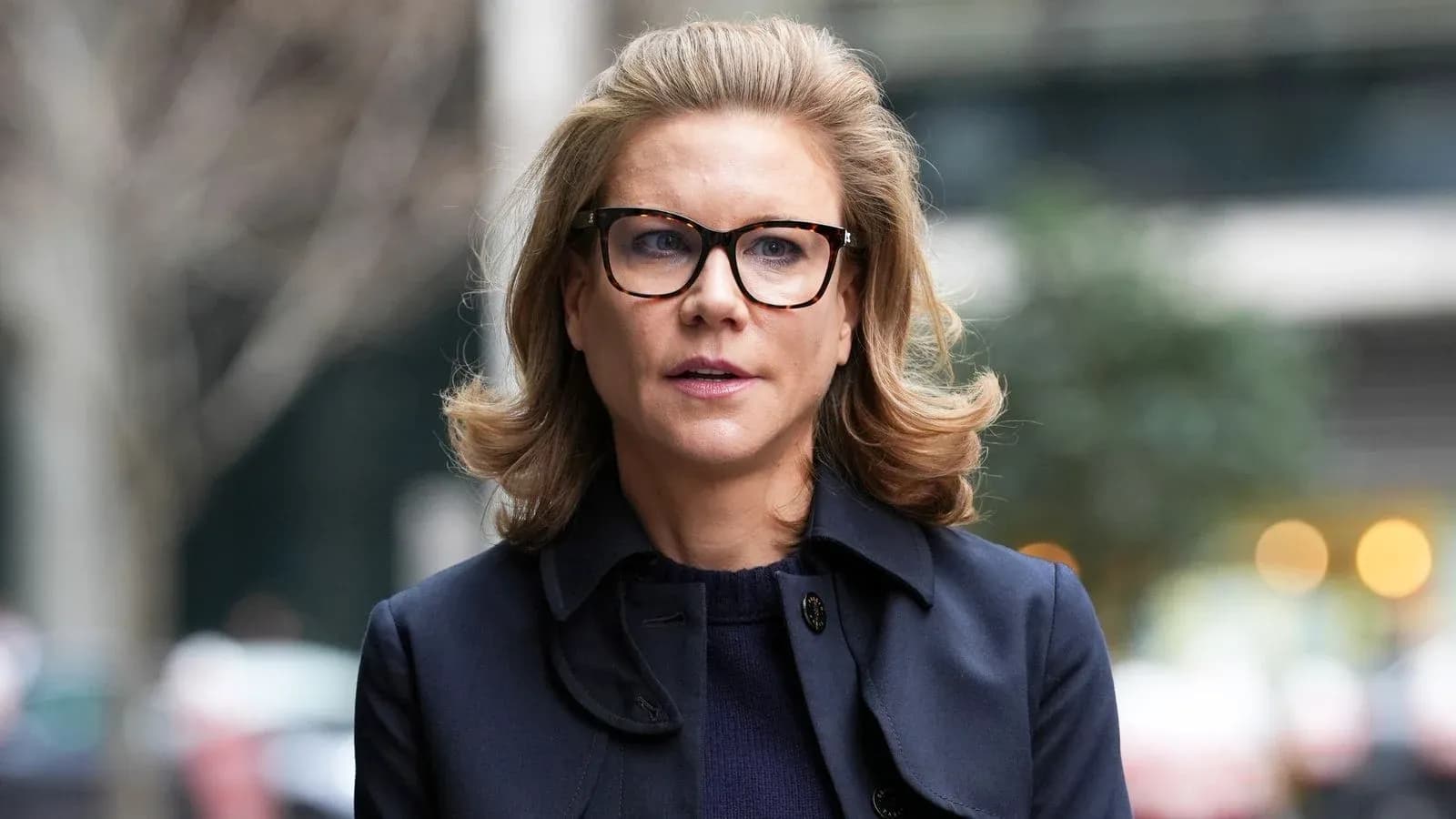
Amanda Staveley is back on the Premier League stage – and this time her eyes are on East London.
PCP Capital Partners, fronted by Staveley and her husband Mehrdad Ghodoussi, have lodged a formal offer to buy a 25.1 per cent stake in West Ham United, a holding currently owned by the family of the late David Gold.
The move, first revealed by Sky News’ Mark Kleinman on Thursday as a bid in preparation, has now advanced into a concrete proposal. The numbers are not public, the intent very much is.
Power play in the boardroom
This is no simple share shuffle. A 25.1 per cent stake is a blocking minority and a serious foothold in the club’s future direction. Yet West Ham’s ownership jigsaw makes the situation more nuanced.
Existing investors have first refusal and can choose to match PCP’s offer for the Gold family’s shares. That clause instantly turns this into a live contest behind closed doors, rather than a straight handover.
One of those key players is Daniel Kretinsky. The Czech businessman increased his stake earlier this year and, according to sources close to the situation, remains interested in doing a deal. But not at any price, and not in any shape.
Crucially, Kretinsky does not want to buy the entire Gold-owned stake. Doing so would tip him into majority ownership, a step he is not currently prepared to take. His stance leaves room for a more intricate arrangement – potentially involving both Kretinsky and PCP – if the numbers and influence lines can be balanced.
If an agreement is reached, it will be the Gold family who speak first. Any statement will come from them, not PCP, in a deliberate show of respect to the other shareholders and to the late David Gold’s legacy.
PCP, for their part, will stay silent publicly while negotiations play out. No briefings, no grandstanding. Sky Sports News understands that is a firm position, not a tactical tease.
Staveley’s next act
Staveley and Ghodoussi are no strangers to Premier League politics. Their role in the Saudi-backed takeover of Newcastle United turned them into central figures in the modern ownership era, and their departure from St James’ Park did not cool their ambition.
Since leaving Newcastle, PCP have held exploratory talks with several top-flight clubs, including Tottenham. Those conversations never crystallised into a deal. Now their focus has narrowed to West Ham, a club in flux and, potentially, opportunity.
This is a different challenge to Newcastle. Different fanbase, different financial profile, different recent history. But the same question hangs over it: who shapes the next decade?
A club in turmoil and transition
The timing of PCP’s move is no accident. West Ham have just endured a brutal summer after relegation from the Premier League, a fall that shook the foundations of the club.
First came uncertainty in the dugout. Nuno Espirito Santo’s future looked far from secure as the dust settled on relegation and the club weighed up whether to change course. In the end, the board backed continuity. Nuno stays, entrusted with the job of dragging the Hammers back into the top flight.
Then the boardroom itself shifted. Joint-chairman David Sullivan stepped down after “serious historic allegations” about his conduct emerged, allegations he denies. His departure removed one of the most powerful and polarising figures in West Ham’s modern era and left a vacuum at the top of the club’s hierarchy.
Into that space walks a potential new investor with a proven appetite for influence.
Squad reshaped, captain retained
On the pitch, the summer has been just as restless. Matheus Fernandes and Crysencio Summerville headline the list of major departures, underlining the financial and sporting cost of dropping out of the Premier League.
Yet amid the exits, West Ham have clung to what might be their most important asset of all: Jarrod Bowen. Keeping their captain, a player with proven Premier League pedigree and leadership weight, could prove more valuable than any incoming fee.
In a relegated dressing room, Bowen’s presence offers a thread of continuity and ambition. For any incoming investor, it also signals that the club is not simply stripping assets and retreating, but trying to build something worth owning.
The stakes in East London
Put it all together and the picture is clear. A club reeling from relegation. A boardroom reshaped by Sullivan’s exit and the Gold family’s willingness to sell. An influential existing investor in Kretinsky carefully weighing his next move. And now Staveley and PCP, pushing their chips into the middle of the table.
If the Gold family strike a deal that brings PCP into the fold, West Ham’s power map changes overnight. If current investors block the move by matching the offer, the message is just as loud: control of West Ham is not up for grabs.
For now, the negotiations stay in the shadows and the statements are on ice. But the question hangs over the London Stadium all the same: who will really own West Ham’s future when the dust finally settles?