Sporting JAX and Brooklyn Battle to a 2–2 Draw Under Florida Sky
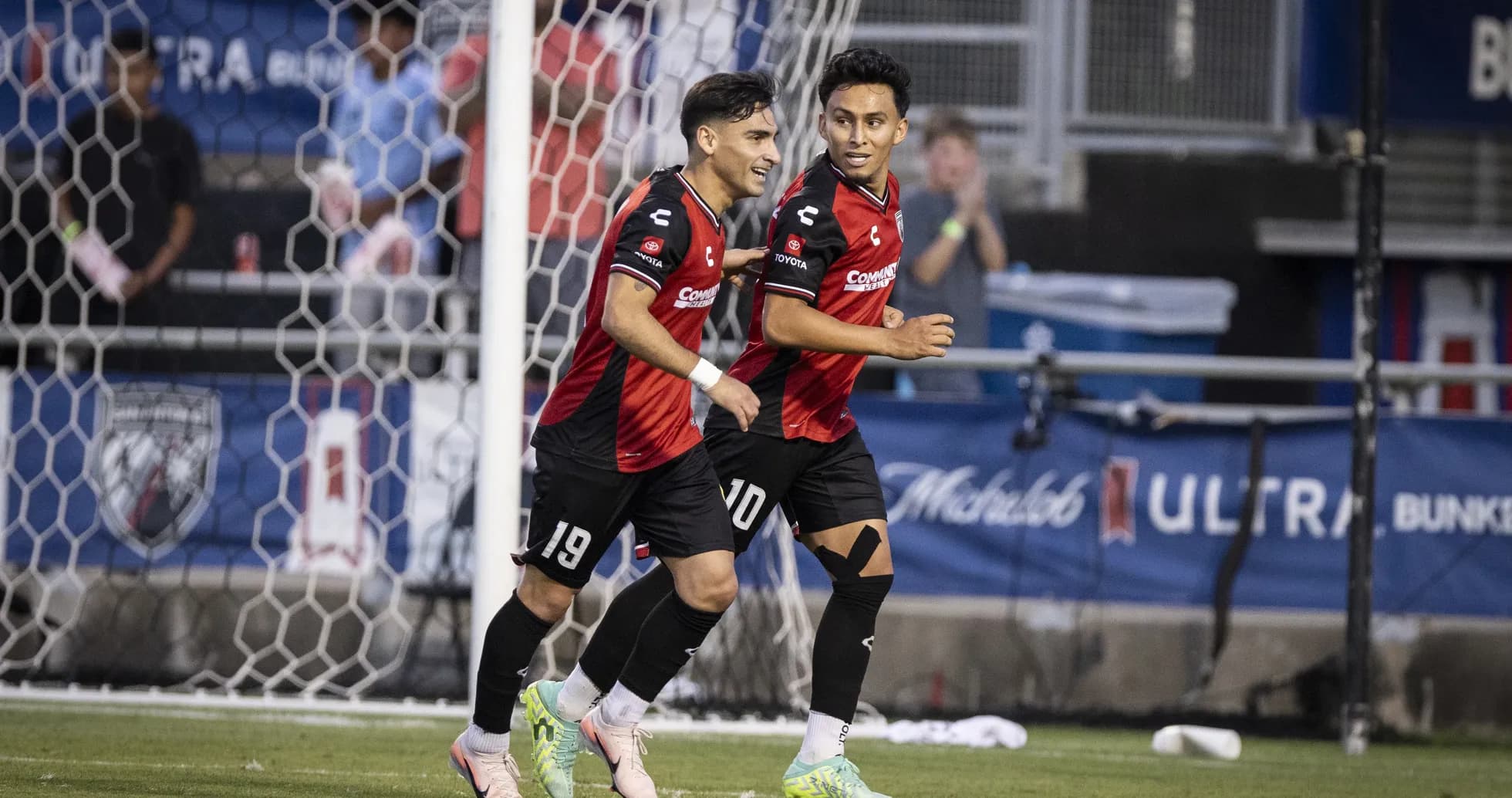
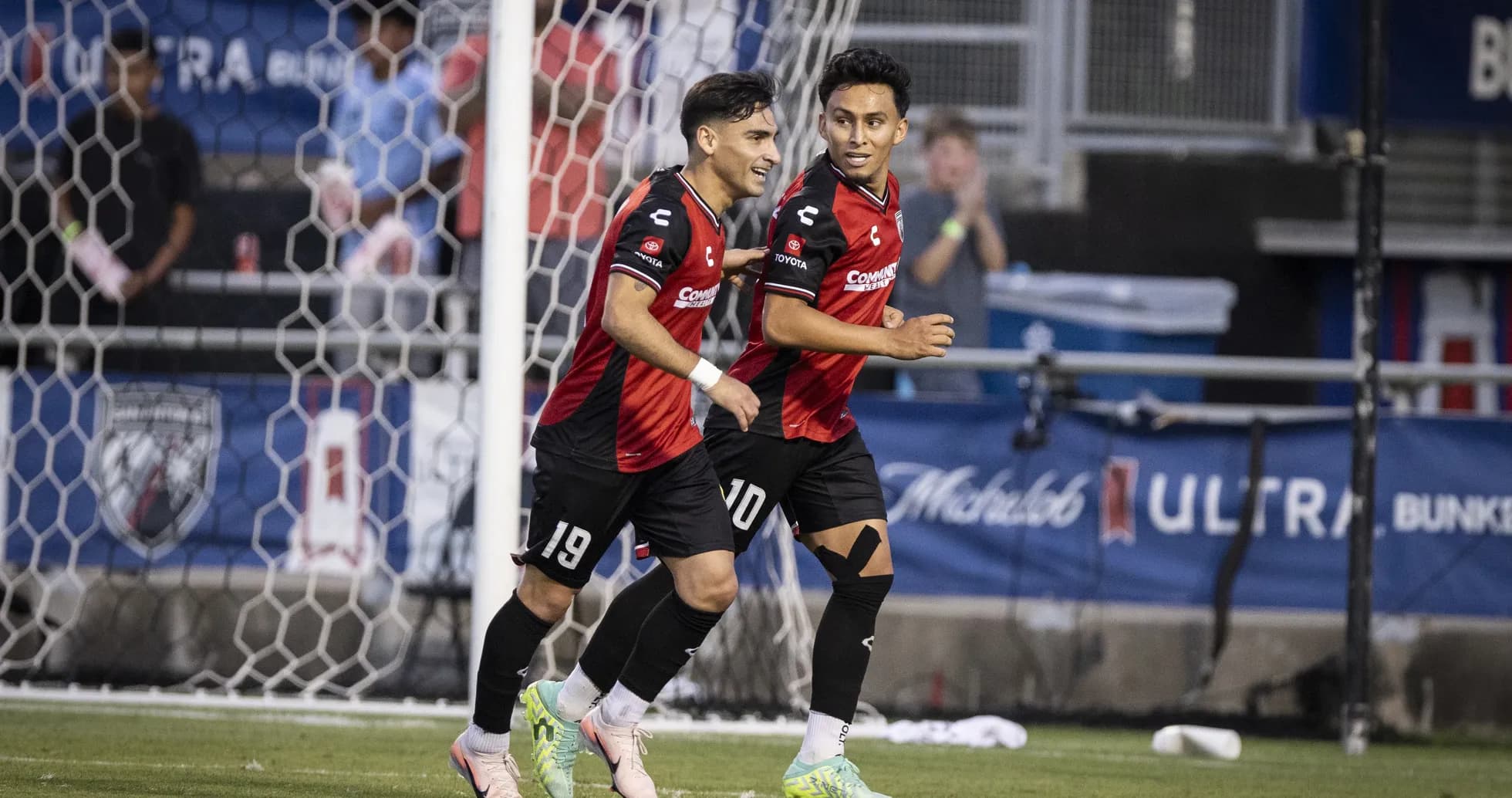
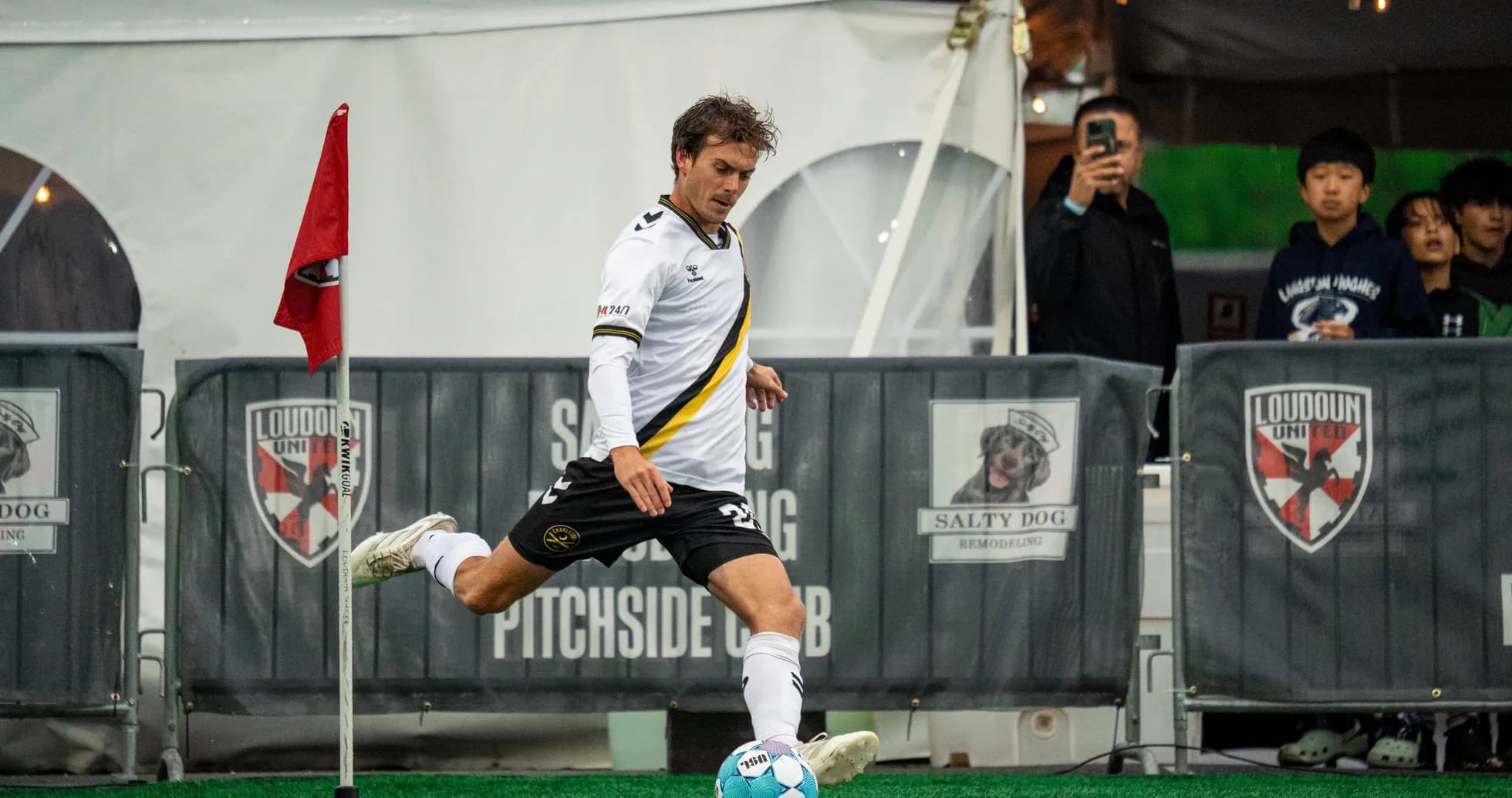
Under the Florida evening sky at Hodges Stadium, Sporting JAX and Brooklyn played out a 2–2 draw that felt less like a routine group-stage fixture and more like a meeting of two sides trying to rewrite their season’s story. In the USL Championship’s USL 1 group, both arrive as strugglers: Brooklyn 12th with 8 points, Sporting JAX 13th with 3, and yet this match finished with a sense of fragile momentum for the hosts and lingering regret for the visitors.
Heading into this game, the numbers painted a stark picture. Overall, Sporting JAX had played 11 matches without a single win, collecting just 3 draws and 8 defeats. Their goal difference of -14 was the natural consequence of scoring 12 and conceding 26, a defensive record underlined by an overall average of 2.4 goals against per game. At home, they had been marginally more threatening going forward – 8 goals in 5 matches, an average of 1.6 – but that came at the cost of 14 conceded at Hodges Stadium, 2.8 per game.
Brooklyn, one place higher, carried their own scars. Overall they had 2 wins, 2 draws and 7 losses from 11, with 11 goals for and 20 against, a goal difference of -9. The split between home and away told the real tactical story: at home they were compact and efficient, conceding just 5 in 6 (0.8 per game), but on their travels they had leaked 15 in 5, a punishing away average of 3.0 goals conceded per match. This was the fault line on which the entire encounter balanced: a home side that struggled for control but could create, against an away defence that simply could not hold.
I. The Big Picture: Two broken records colliding
The first half followed the season’s logic. Brooklyn, used to being more secure in settled structures, leaned on the experience of a spine built around J. Lee in goal, the defensive pairing of V. Latinovich and T. Vancaeyezeele, and the midfield presence of M. Pinto and T. McNamara. They arrived with an overall attacking average of 1.0 goals per game both home and away, not explosive but capable of punishing disorganisation.
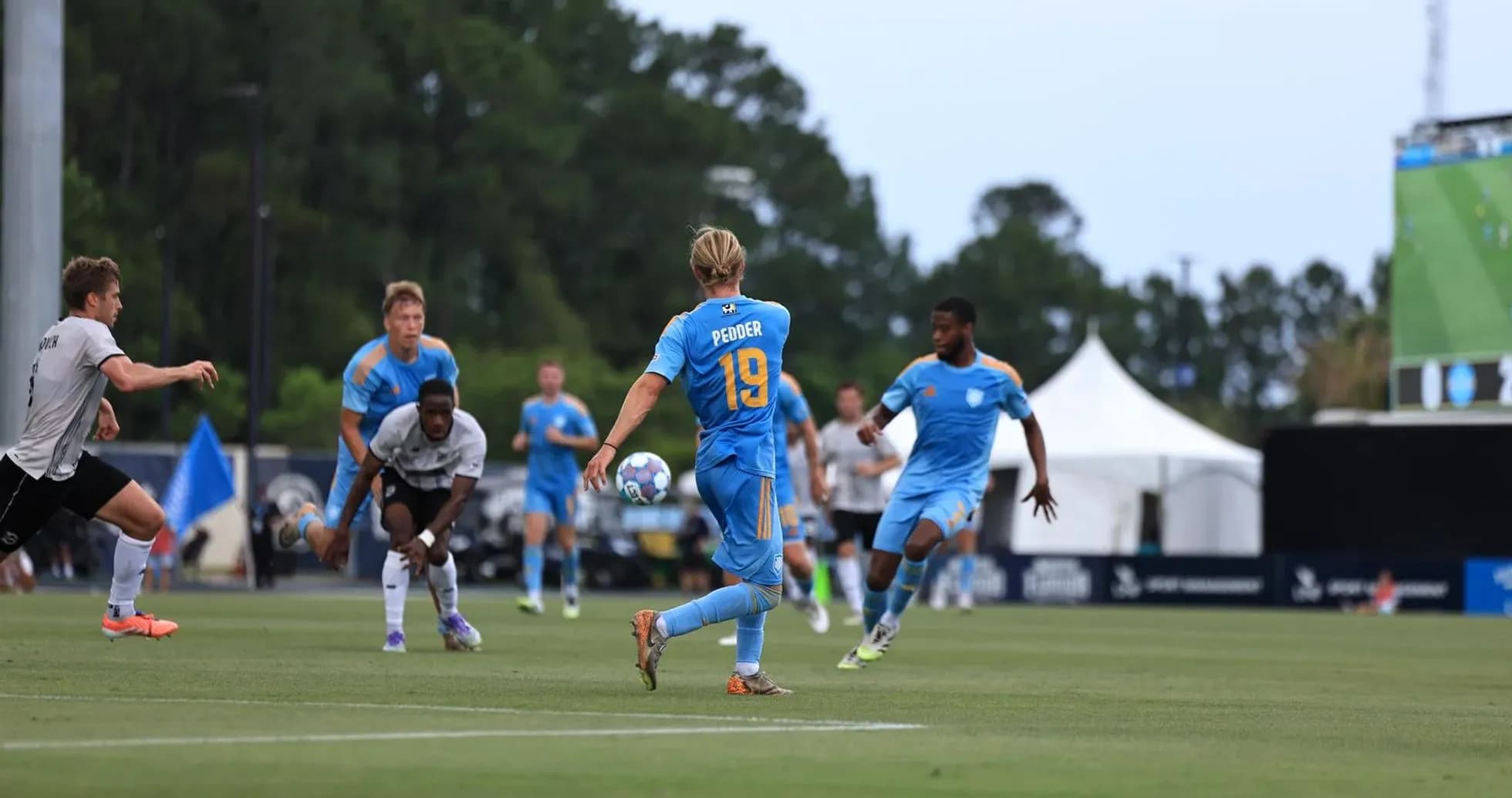
Sporting JAX, meanwhile, leaned into chaos. With C. Olivares, H. Neville, R. Edwards and A. Gomez forming the defensive line in front of the goal, and a midfield trio of W. Kuzain, J. Rossiter and R. Pedder, they were less about control and more about turning broken plays into quick surges. The front band of T. Rose, E. Jaaskelainen and K. Sadlier had to be ruthless; this is a team that had failed to score in 5 of 11 matches overall, and yet when they do click, the “biggest goals for” metric shows they can hit 4 at home in a single outing.
Brooklyn’s early aggression aligned with Sporting JAX’s fragility. With 26 goals conceded overall before kickoff and no clean sheets at all, the hosts were always likely to be breached by the movement of P. Mangione, C. Olney JR and J. Obregon. That Brooklyn went in at the break leading 2–1 fit the season-long pattern: Sporting JAX conceding in bunches, then scrambling to respond.
II. Tactical Voids: Discipline, fatigue and late-game chaos
Neither side came in with flagged absences, but the season-long disciplinary trends shaped how this fixture unfolded. Sporting JAX’s yellow cards cluster late: 27.59% of their cautions arrive between 76–90 minutes, with another 20.69% between 61–75. Red cards are split brutally between 16–30 minutes and 76–90, each window accounting for 50.00% of their dismissals. That tells of a team that starts emotionally charged and ends exhausted, often overstepping in both phases.
Brooklyn’s card map is more spread, but with a twist: 25.00% of their yellows come in the 91–105 window, and their only red card of the season has also arrived in that extra-time band. They are a side that tends to unravel after regulation, when legs and concentration fade.
In regular time here, both teams flirted with that familiar edge. Sporting JAX’s late push for an equaliser mirrored their season-long tendency to live on the disciplinary limit as the clock winds down, while Brooklyn’s attempts to manage the result reflected a group that knows how quickly games can slip away once they lose their defensive shape.
III. Key Matchups: Hunter vs Shield, Engine Room vs Enforcer
Without league-wide top scorers data, the “hunter” role for Sporting JAX is shared across their attacking band. K. Sadlier, operating between the lines, and E. Jaaskelainen, working the channels, were tasked with testing a Brooklyn away unit that had already shipped 15 goals on their travels. That average of 3.0 away goals conceded per game meant every ball into the box carried threat, especially with T. Rose attacking second balls.
On the other side, J. Obregon’s presence as Brooklyn’s central reference point was crucial against a Sporting JAX defence that had conceded 12 on their travels but 14 at home. His duels with R. Edwards and A. Gomez shaped how high Brooklyn could hold their line and how quickly they could turn Sporting JAX turnovers into direct attacks.
In midfield, the “engine room” was a clash of profiles. W. Kuzain and J. Rossiter had to knit Sporting JAX’s transitions together, recycling second balls and preventing Brooklyn from dictating tempo. Across from them, M. Pinto and T. McNamara were Brooklyn’s stabilisers, asked to slow the game when ahead and protect a back line that has suffered whenever exposed in open space.
IV. Statistical Prognosis: What this draw really says
Following this result, the macro picture remains harsh. Sporting JAX are still winless overall, their goal difference anchored at -14, their clean sheet tally stuck at 0. Yet the draw against a side one place above them, and the ability to come back from a deficit, hints at incremental resilience. Their home attacking average of 1.6 goals per game was again validated by scoring twice; the problem remains the 2.8 they concede at Hodges Stadium.
For Brooklyn, the 2–2 draw away from home is another data point in a worrying trend. On their travels they still concede at a rate of 3.0 per match, and while their overall defensive average of 1.8 goals against per game looks manageable, it is entirely propped up by their solidity at home. The inability to close out a 2–1 advantage here reinforces the narrative of an away side that cannot sustain defensive concentration for 90 minutes.
From an Expected Goals perspective, even without precise xG values, the underlying story is clear: Sporting JAX are a high-variance, high-concession team whose matches naturally tilt towards multi-goal affairs; Brooklyn’s away profile amplifies that chaos. A 2–2 feels like a statistically honest outcome – the meeting of a leaky home defence and an even leakier away back line, both offset by attacks capable of producing at least 1.0 goal per game.
The tactical preview, looking forward, is simple and unforgiving for both: Sporting JAX must find a way to convert late pressure into wins without tipping over the disciplinary edge that so often undermines them; Brooklyn must reconstruct their away defensive block around Latinovich and Vancaeyezeele, or every trip will remain a damage-limitation exercise. This draw may not transform their seasons, but it crystallises the blueprint each must fix if they are to climb out of the lower reaches of USL 1.