Spain's World Champions Return: Flick Aims for More Success
Spain’s World Cup win is still hanging in the air like confetti that refuses to fall. A 1-0 victory over Argentina, sealed deep into extra time, has redrawn the map of international football and, in the process, thrown a harsh, bright spotlight on Barcelona.
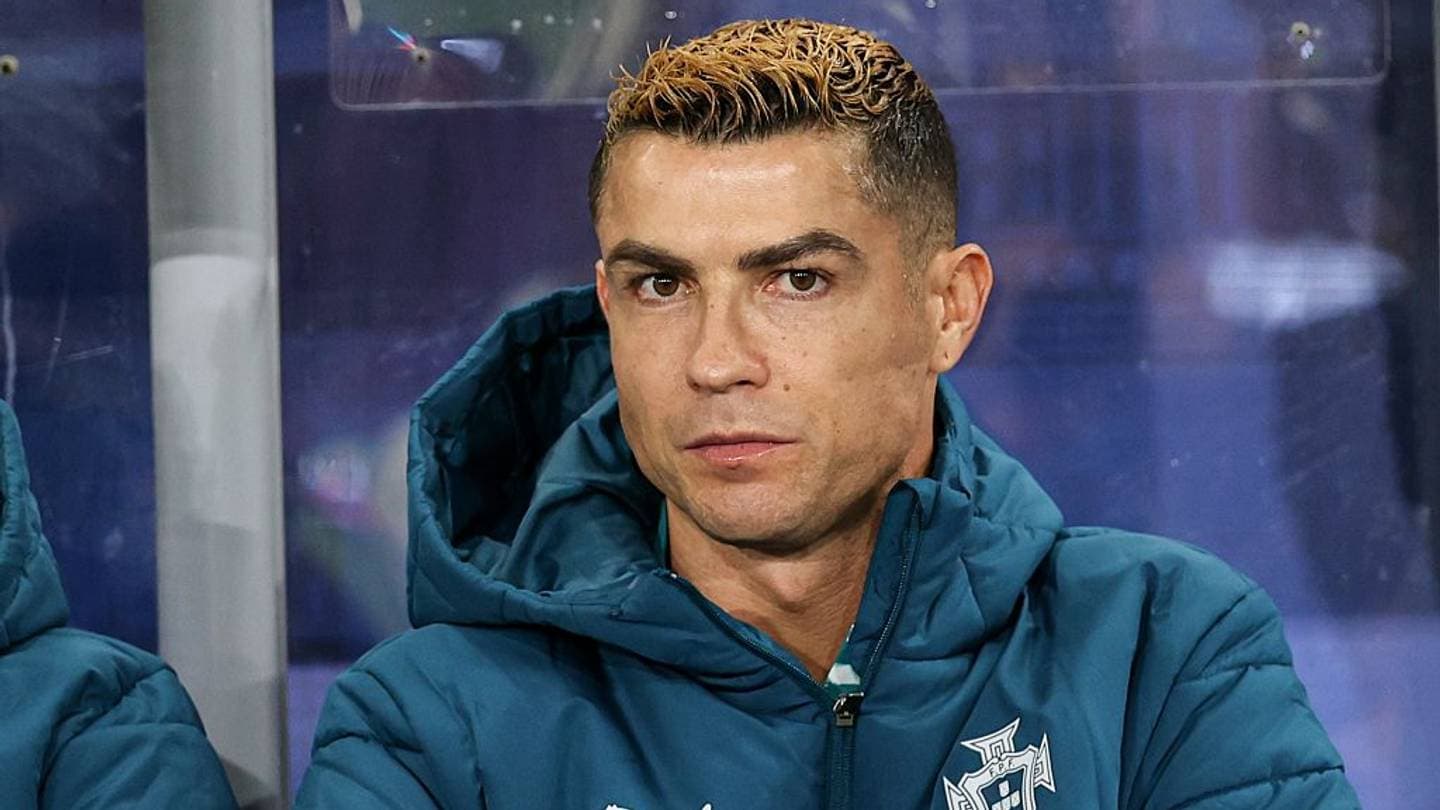
At the heart of it all: Ferran Torres.
The Barcelona forward started the final on the bench, waited, watched, then changed history. In the 106th minute, with legs cramping and minds fogging, he stepped into a half-yard of space and drove a fierce shot that ripped past the goalkeeper. One clean strike, and Spain had their second World Cup, adding 2026 (in this context) to the 2010 title in South Africa. One clean strike, and a new chapter in Spanish football folklore was written.
Spain now stand with a rare sweep of major international honours. Barcelona, by extension, sit on a gold mine of champions.
Because Torres is far from alone. Joan Garcia, Eric Garcia, Pau Cubarsi, Gavi, Pedri, Dani Olmo, Lamine Yamal – the spine, the flair, the future. At least seven Barcelona players, plus Torres, return to Catalonia with medals around their necks and the sense that they have already climbed football’s highest mountain.
That is where the unease creeps in.
When players touch the summit early, the question always follows: what now? Is there another level, or does everything else feel like a step down? Inside Barcelona, the concern is simple – that some might feel they have already lived the best days of their careers before the club’s new cycle has truly begun.
Hansi Flick does not share that fear.
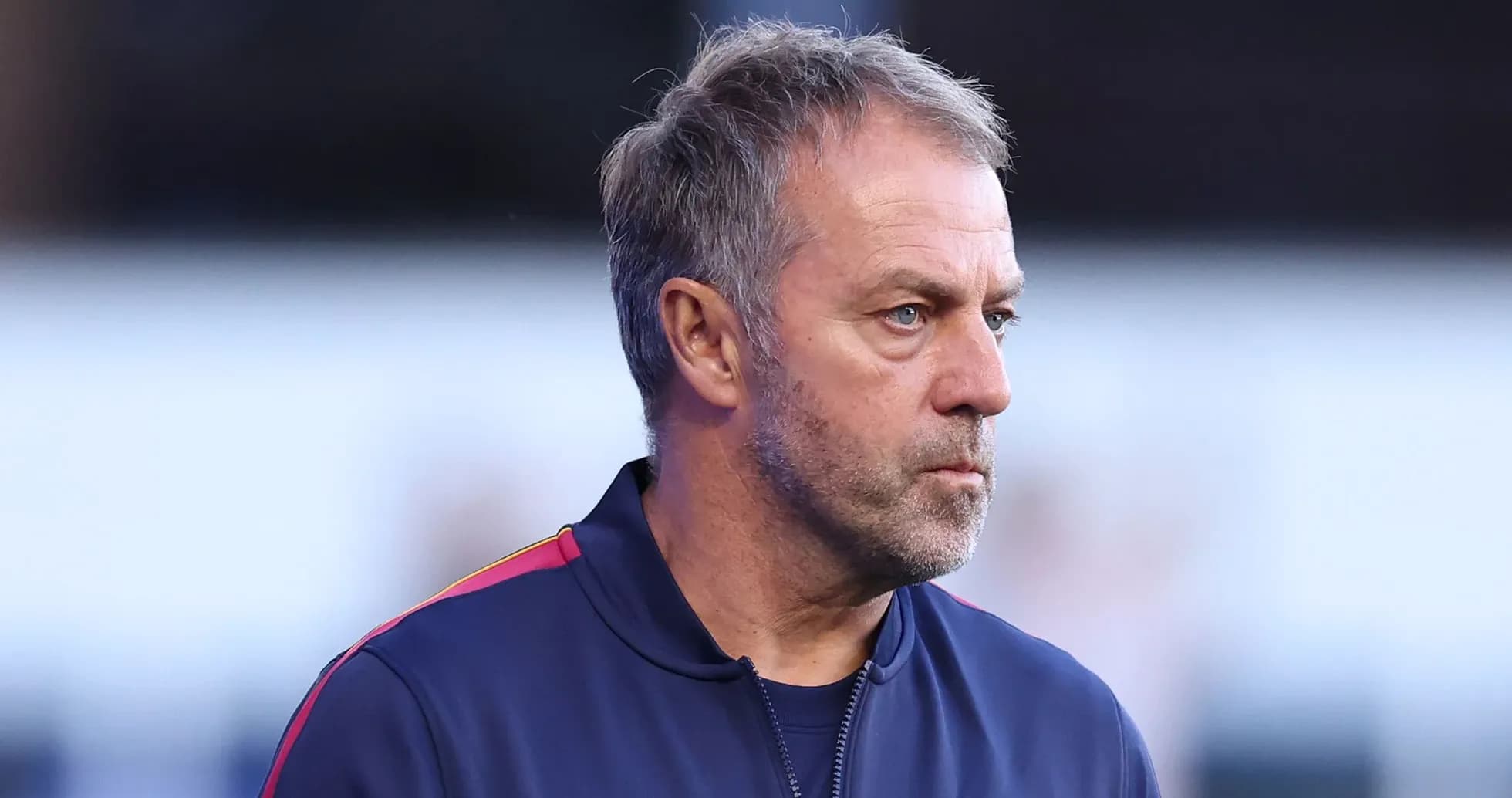
The former Bayern Munich boss, now charged with stitching this star-studded group into a coherent club side, sees opportunity, not danger. Speaking at Saint George’s Park, he cut a figure of controlled certainty rather than anxiety.
“Champions never stop. They know how to win titles and that is important. This title should give them more confidence. When you work hard and focus every day, it becomes something special. That's what we want to achieve this year,” he said.
There was no hint of a manager worried about egos spiralling. Flick framed the World Cup success as fuel, not a distraction. Confidence, in his eyes, is a tool to be sharpened, not a problem to be managed away.
Yet for all the swagger in the dressing room, the squad sheet tells a harsher story.
Robert Lewandowski is gone. Contract finished, era closed. With his departure, Barcelona have lost their reference point in the penalty area, the classic ‘number nine’ around whom attacks naturally orbit. The void is glaring. The club have moved aggressively to add wide threats, to stack creativity and pace in the channels, but the figure at the centre of it all is missing.
Flick did not sugar-coat it. The lack of a specialist centre-forward sits at the top of his to-do list, and the market has become a chessboard where every move matters.
He is also waiting on clarity over Ferran Torres himself, with Paris Saint-Germain circling. The irony is obvious: the man who delivered Spain’s biggest moment of the summer may yet be the subject of one of Barcelona’s biggest decisions of the window.
“It depends on the team. We have to wait. I have complete confidence in Deco and we know we have to do something. It also depends on Ferran. We'll see what we do,” Flick said, laying out the reality without drama.
The message was clear: recruitment will not be reactive panic, but it cannot be static either. Deco holds the levers; Flick sets the demands.
Not everything has gone smoothly in pre-season. A scheduled friendly against Preston North End collapsed when the English club simply could not field enough players. For a coach hungry for minutes, patterns, and rhythm, losing a match like that is more than a footnote. It is a missed laboratory session at a time when every repetition counts.
Then came another complication: Frenkie de Jong’s injury.
The Dutch midfielder’s absence tears a hole through the middle of the pitch. He is the player who knits phases together, who turns pressure into poise. Many clubs, faced with that kind of loss, would sprint into the market. Flick has chosen a different path.
Rather than demanding an immediate replacement, he has turned his gaze inward. The focus is on internal growth, on promoting solutions from within, on folding the returning world champions back into the club’s structure and seeing who steps forward. It is a calculated risk, but also a statement of faith in the squad’s depth and potential.
Across every answer, one theme kept surfacing: belief in the process.
Flick trusts his methods. He trusts his players. He knows, though, that belief only counts when the competitive games begin and the noise around Barcelona grows louder. The club still lives with financial constraints, still wrestles with structural issues, still carries the weight of a global brand that expects trophies, not excuses.
Managing a group heavy with world champions is not just about tactics. It is about psychology, about persuading players who have just conquered the world that the next great story can be written in club colours, in La Liga, in the Champions League, in front of the Camp Nou faithful.
“When you work hard and focus every day, it eventually becomes something special,” Flick repeated, almost as a mantra.
Spain have already found their special moment this summer. Now the question hangs over Barcelona: can a squad full of world champions find another one, together, when the club season starts to bite?