Spain vs France: Tactical Analysis of the World Cup Semi-Final
France and Spain mirrored each other structurally in a 4-2-3-1 at Dallas Stadium, but the semi-final diverged sharply in how each side used the ball and managed territory. Spain’s 2-0 win was the product of a cleaner positional game, superior control of risk in possession, and a more coherent relationship between their midfield double pivot and attacking three. France, by contrast, never fully connected their back four to Kylian Mbappé, and their attempts to adjust through early substitutions did not change the underlying dynamics.
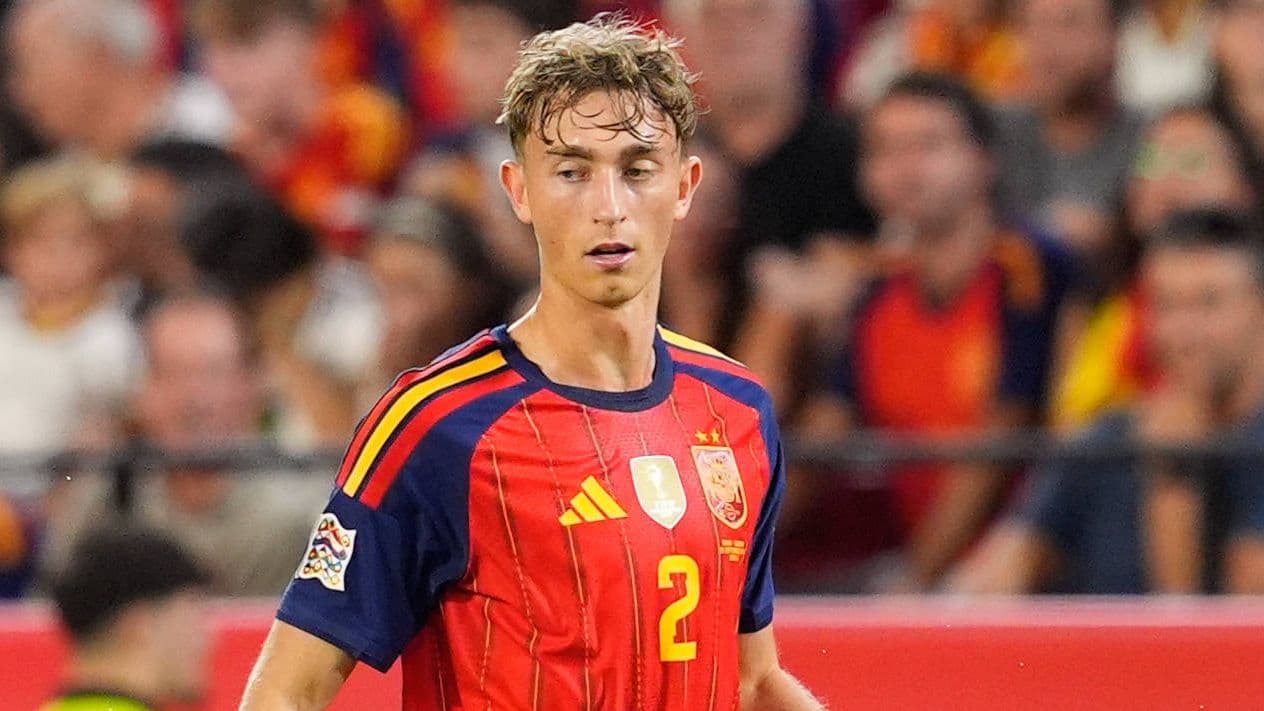
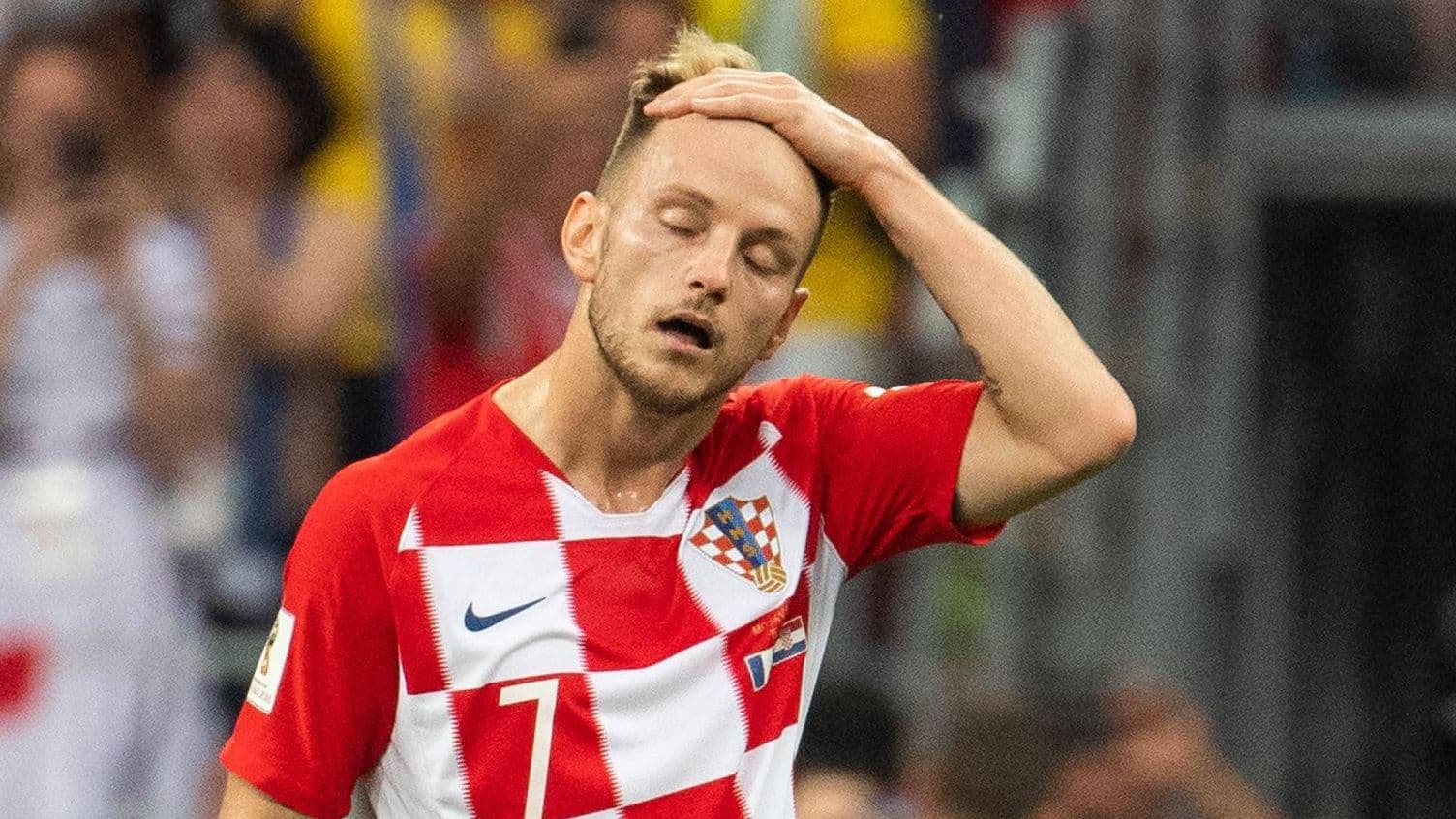
Spain’s possession edge was marginal in raw terms (51% to 49%) but far more significant in how it was used. With 500 passes to France’s 473 and a slightly higher accuracy (428 accurate, 86% versus France’s 396, 84%), Luis de la Fuente’s side built a stable circulation platform through Rodri and Fabián Ruiz. From their 4-2-3-1 base, Spain effectively created a 2-3-5 in settled attacks: full-backs Pedro Porro and Marc Cucurella advanced to pin France’s wingers, while Lamine Yamal and Alex Baena narrowed between the lines around Dani Olmo. This consistently forced France’s double pivot of Aurélien Tchouaméni and Adrien Rabiot to defend large horizontal spaces.
The statistical shot profile underlines that territorial tilt. Total shots were level (10–10), but Spain produced higher-quality looks: 5 shots inside the box to France’s 4, and a far superior xG of 1.63 against France’s 0.3. Spain’s chance creation was less about volume and more about accessing central lanes after long, patient spells. The penalty converted by Mikel Oyarzabal and the later open-play strike from Pedro Porro both fit that pattern of Spain manipulating France’s block before attacking a specific weak point.
Defensively, France’s 4-2-3-1 often flattened into a 4-4-2 out of possession, with Michael Olise and Ousmane Dembélé dropping to the line of Tchouaméni and Rabiot. However, the front pressing triggers were inconsistent. Spain’s back line, especially Pau Cubarsí and Aymeric Laporte, were rarely forced into rushed long balls. That allowed Rodri to dictate tempo and ensured Spain could commit Cucurella and Porro high without being constantly exposed in transition. France’s 11 fouls and two yellow cards, including an early booking for Rabiot for “Foul” at 9', reflected a reactive defensive posture rather than controlled aggression.
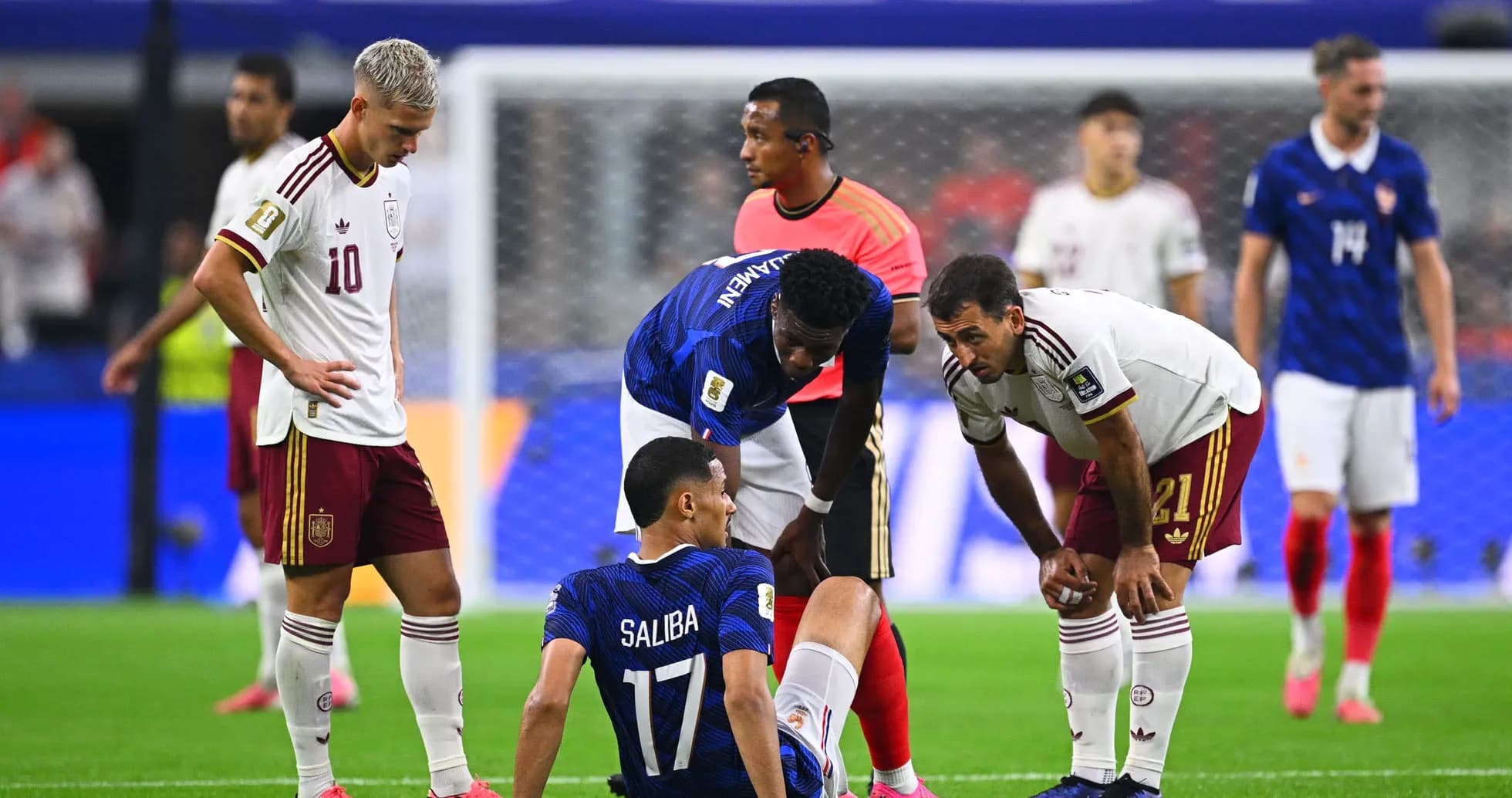
The in-game management from Didier Deschamps was proactive but symptomatic of structural problems. The 30' substitution, with Maxence Lacroix (IN) coming on for William Saliba (OUT), suggested either an enforced change or a very early attempt to alter France’s build-up dynamics on the right side. Yet the underlying issues in progression persisted: France finished with 10 total shots but only 3 on goal, and their xG of 0.3 shows that most efforts were low-probability, often from outside the box (6 shots outside the box compared with Spain’s 5).
The 46' change, Manu Koné (IN) for Rabiot (OUT), was a clear attempt to add ball-carrying and vertical passing from midfield. Koné’s presence did help France push slightly higher in the second half, but Spain’s block, anchored by Rodri, continued to compress the central corridor. France’s subsequent substitution pattern — Désiré Doué (IN) for Bradley Barcola (OUT) at 57', then Theo Hernández (IN) for Lucas Digne (OUT) and Rayan Cherki (IN) for Michael Olise (OUT) at 72' — showed a pivot towards more dribbling and one-versus-one threat on the flanks. Yet Spain’s defensive structure, with good support from wide midfielders and full-backs, limited those isolations to low-yield zones.
Spain’s substitutions were more about energy management and preserving control than changing shape. Ferran Torres (IN) for Oyarzabal (OUT) at 74' kept the same reference points in the front line, while Pedri (IN) for Fabián Ruiz (OUT) and Mikel Merino (IN) for Dani Olmo (OUT) at 78' refreshed the interior profiles without compromising their capacity to keep the ball. Marcos Llorente (IN) for Pedro Porro (OUT) and Nico Williams (IN) for Alex Baena (OUT) at 84' added transitional speed to exploit any late French over-commitment.
The defensive metrics reinforce Spain’s control in key zones. They blocked 3 shots to France’s 2, indicating a more effective collapsing of the box when France did reach shooting positions. France, meanwhile, allowed Spain to get 5 shots inside the area and conceded a penalty, a sign that their last-line decision-making and cover distances were not consistently aligned, even after Lacroix’s introduction.
From a disciplinary and emotional-control standpoint, Spain were slightly cleaner: 12 fouls and one yellow card (Cucurella for “Foul” at 31') compared with France’s 11 fouls and two yellows. The late booking for Mbappé for “Violent conduct” at 86' encapsulated France’s frustration as their attacking plan continued to stall. Despite having 7 corners to Spain’s 1 and 4 offsides against Spain’s 5, France failed to convert set-piece and high-line exploitation into meaningful threat, again pointing back to delivery quality and occupation of second-ball zones rather than a lack of opportunities.
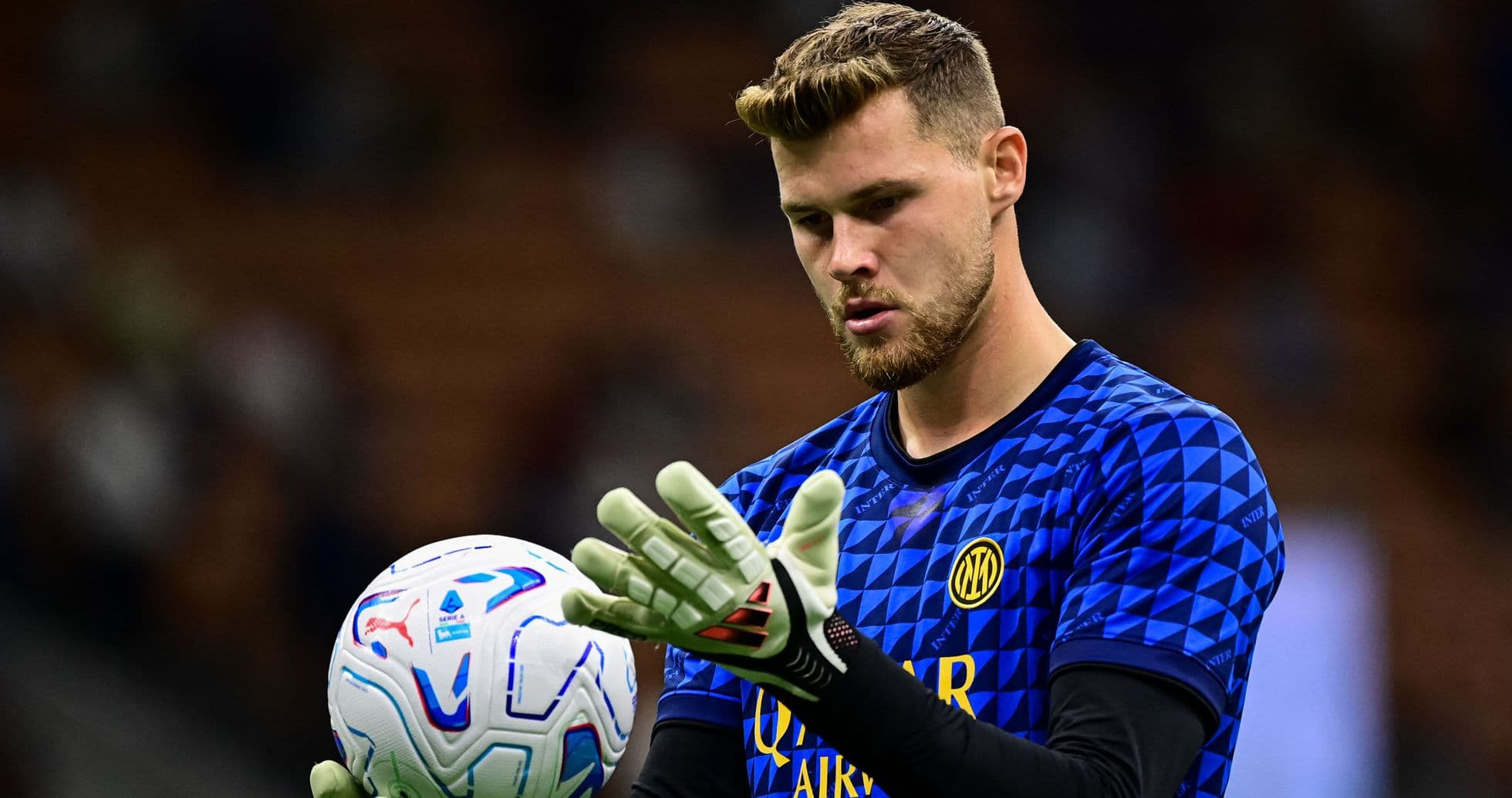
In goal, Unai Simón (Spain) made 3 saves, aligning with France’s 3 shots on target and underlining his solid, if not spectacular, contribution behind a well-protected back four. Mike Maignan (France), by contrast, recorded 0 saves, a product of Spain’s ruthlessness: only 2 shots on target, but both converted. The goals prevented metric (0.07 for each goalkeeper) suggests neither was asked to perform high-difficulty interventions; the match was decided more by shot quality and structural control than by goalkeeping heroics.
Overall, Spain’s 4-2-3-1 functioned as a coherent, possession-dominant system that maximized their technical superiority between the lines and minimized transition exposure. France’s mirror shape never quite found the same balance, leaving their star forwards disconnected and their midfield stretched. The statistical profile — higher xG, better passing accuracy, more shots in the box, and more efficient use of limited on-target attempts — confirms that Spain’s tactical framework was not only aesthetically superior but decisively effective in this World Cup semi-final.