
Sebastian Beccacece Reflects on Ecuador's World Cup Journey
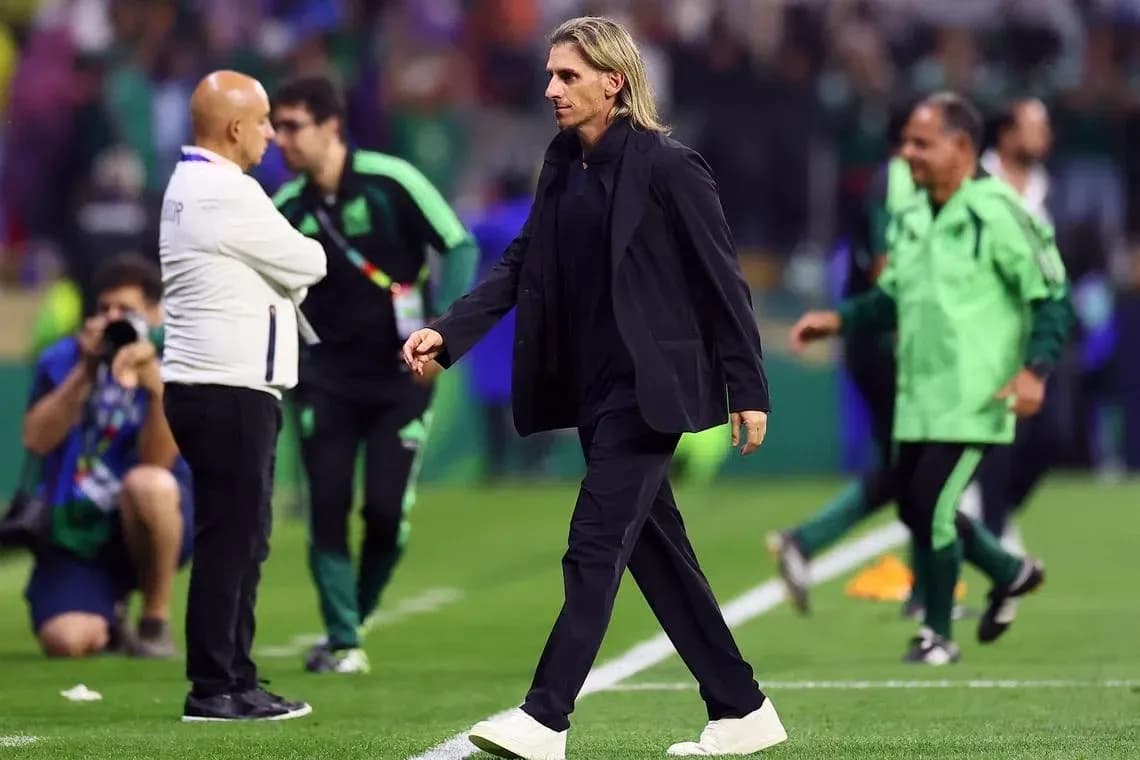
Sebastian Beccacece walked into the bowels of the Azteca with his World Cup over and his job gone, the noise from Mexico’s celebrations still rattling through the concrete.
A 2-0 defeat in the round of 32 had ended Ecuador’s campaign. It also ended his tenure.
Their run had promised more. Ecuador arrived in the knockouts riding the high of a dramatic comeback win over Germany, a result that had reset belief and restored bite. For a few days, it felt like something was building.
Mexico tore that feeling apart before halftime.
Inside a deafening Azteca Stadium, the hosts flew out with pace and purpose, pinning Ecuador back and protecting their flawless defensive record with the assurance of a side that knew exactly who it was. Ecuador, by contrast, looked caught between ideas and emotions.
“We were outplayed in the first half,” Beccacece admitted, the words as blunt as the performance.
The damage was done early. Ecuador chased, Mexico controlled, and the game tilted one way. Ecuador’s response after the interval came too late and without the edge needed to turn the tie. They saw more of the ball, tried to stretch Mexico, tried to find that one moment to tilt the night back their way.
It never arrived.
“We fought back, but we couldn't find the goal that would have given us a boost,” Beccacece said. The frustration hung in the air as heavily as the Mexican humidity.
When the final whistle went, the scoreboard confirmed elimination. The contract confirmed something else. His time was up.
“Our contract ended with the World Cup. I don't think we were able to achieve the feat we promised: to make this the best World Cup ever. Today it's my turn to say goodbye,” he said.
There was no attempt to disguise the hurt. He wanted to stay. The bond with the dressing room, the backing from the federation, the sense of a young side still growing — all of it pointed towards continuity. The result pointed the other way.
“That's why I have to leave,” he said. “I would have liked to continue because what I received from the players and the management warranted the possibility of continuing. But I understand how this works and it hurts, but I think the decision was clear.”
The numbers and trophies will not define his spell as much as the age profile of his squad. This was, as he stressed, the youngest team Ecuador has ever taken to a World Cup, a group that had to learn on the run, under the harshest lights the sport can offer.
Asked what legacy he leaves, he pushed the spotlight away from himself.
“The legacy is from the players, because they have been the youngest team of Ecuador,” he said.
The night could have ended there: a coach out, a project cut short, a campaign filed under “what if.” Instead, it stretched on in a quieter, more intimate way.
“I have no complaints, only gratitude to the people and the players,” Beccacece said. “I received so much gratitude and affection from the bottom of my heart. The boys gave me two beautiful hours after the match and that's what we're left with.”
Outside, Mexico’s party rolled into the night. Inside, Ecuador’s future sat in that same dressing room Beccacece was leaving behind — young, bruised, and suddenly without the coach who had promised them the best World Cup of their lives.





